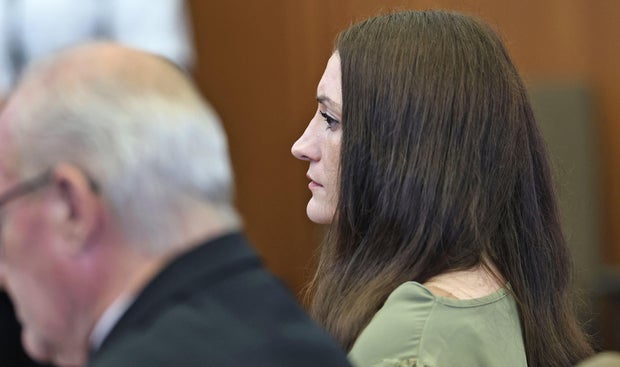
Kevin Reddington, the attorney for Lindsay Clancy, has announced plans to request the dismissal of her case, following discussions with several jurors. Reddington shared with “CBS Mornings” that he will submit a motion to dismiss on September 29 during a planned status hearing.
Potential Double Jeopardy
Reddington intends to argue that proceeding further would violate double jeopardy principles. He emphasized the significant effort invested by the jury, court, staff, defendant, and prosecution. Clancy faces charges for allegedly murdering her three children in Massachusetts on January 24, 2023. Her defense cites overmedication and postpartum psychosis as factors, while prosecutors contend she acted intentionally.
The trial concluded with a mistrial on September 4, as jurors could not unanimously agree after seven days of deliberations. According to reports, the jury was mostly aligned, but one juror did not comply with instructions regarding reasonable doubt. The foreperson highlighted this non-compliance in a note to the judge, which led to further legal motions and discussions.
Defense Perspective and Motion
Reddington defended the right of the stand-alone juror to hold out but criticized the failure to adhere to legal instructions on reasonable doubt. He expressed his intent to push for a dismissal, framing his motion as significant despite being a “long-shot.” Dismissing the case could lead to Clancy’s release if successful.
Potential Outcomes
Reddington also opened the possibility for a plea deal involving lesser charges. He emphasized his client’s mental health challenges, stating she remains “not well” but receives appropriate psychiatric care.
The jury had deliberated over several potential verdicts, including charges ranging from first-degree murder to manslaughter. Prosecutors have yet to determine their next steps following the mistrial, though Reddington hopes for increased awareness of postpartum psychosis as a result of the case.
Presidential Request and Public Discourse
Reddington also sought a pardon from President Trump, although presidential pardons would not apply to state charges. He noted that awareness from high-profile figures might influence local resolution efforts. While President Trump acknowledged the gravity of the case, he suggested potential outcomes could involve time in a mental institution or jail.
Reddington has not received communication from the White House but remains hopeful for any action that could resolve the case. He stressed the need for understanding rather than punishment, acknowledging the profound loss experienced by Clancy and others involved.
This case highlights ongoing debates around mental health in the justice system, urging a balanced examination of accountability and compassion.