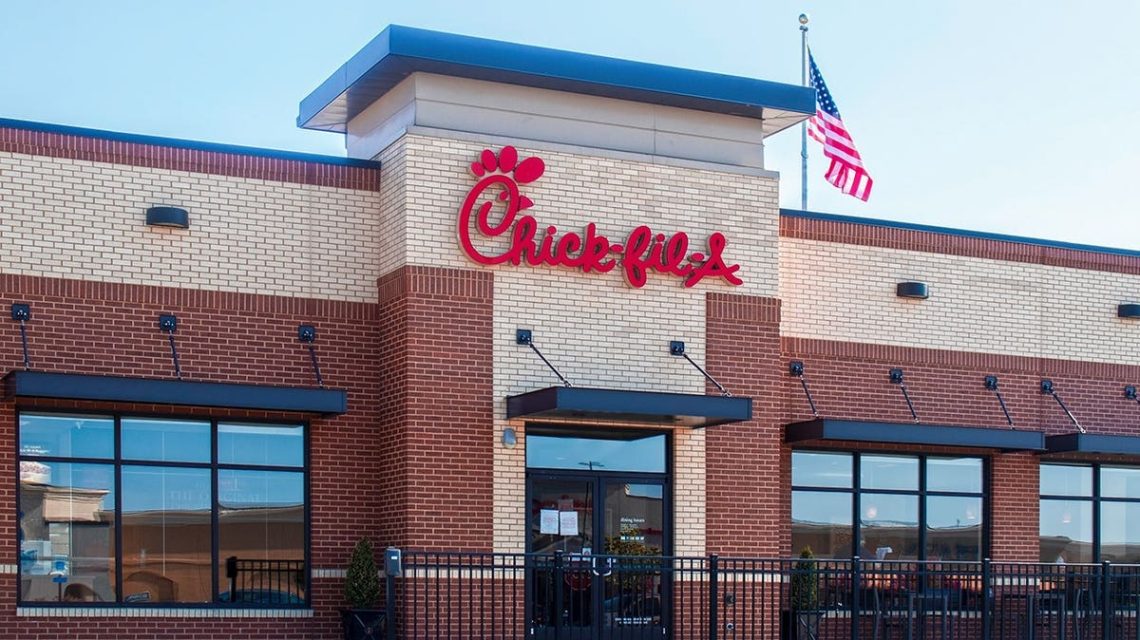
Chick-fil-A is renowned for being one of America’s most challenging franchises to attain, drawing thousands of hopeful applicants annually for a restricted number of owner-operator positions. The fast-food chain’s distinctive business model was recently discussed by Julian Good, owner of a Chick-fil-A restaurant in St. Charles, Illinois, during his appearance on the “Founder Talk” podcast.
Franchise Fee and Applicants
According to Good, Chick-fil-A charges a $10,000 franchise fee, a figure unchanged for the past five decades. Each year, about 100,000 individuals apply to become owner-operators, but only approximately 200 are chosen. Good noted that applicants with no previous experience in Chick-fil-A often wait three to five years before receiving an opportunity.
Highly Competitive Selection Process
“Chick-fil-A describes its selection process as highly competitive,” Good mentioned.
The company seeks leaders ready to invest their full time and best effort into operating a restaurant. It provides opportunities even to those who have never worked at a Chick-fil-A establishment. Notably, over 25% of those newly selected have never been employed by Chick-fil-A prior to applying.
Background Diversity and Operational Ownership
Chick-fil-A’s owner-operators hail from various professional fields such as manufacturing, healthcare, education, law enforcement, and retail. Unlike many franchise systems, owners do not possess the restaurant they manage. Rather, Chick-fil-A retains ownership of the restaurant, equipment, and often the real estate. Consequently, operators do not accumulate equity or sell the business upon retirement.
Commitment to Community and Unique Practices
Operators dedicate their time to managing their restaurants, developing employees, and serving their communities. Good emphasized that this is one of the significant differences between Chick-fil-A and other franchise models. The chain notably stands out for closing all its restaurants on Sundays.
Good highlighted this tradition, noting it serves as an opportunity to “glorify God and give back to the team and the community.” The practice remains a crucial part of Chick-fil-A’s culture.
 Rising Trend: Solo Travel Gains Popularity
  Prepare for Rainy Fall Weather with Discounted Rain Jackets
  Review: Stokke Nighti 3-in-1 Convertible Cot Bed
  Embrace Failure: Turning Setbacks into Success
  Unusual In-Flight Behavior Leaves Passengers Stunned
  Choosing the Perfect Ugg Boots for Comfort and Style