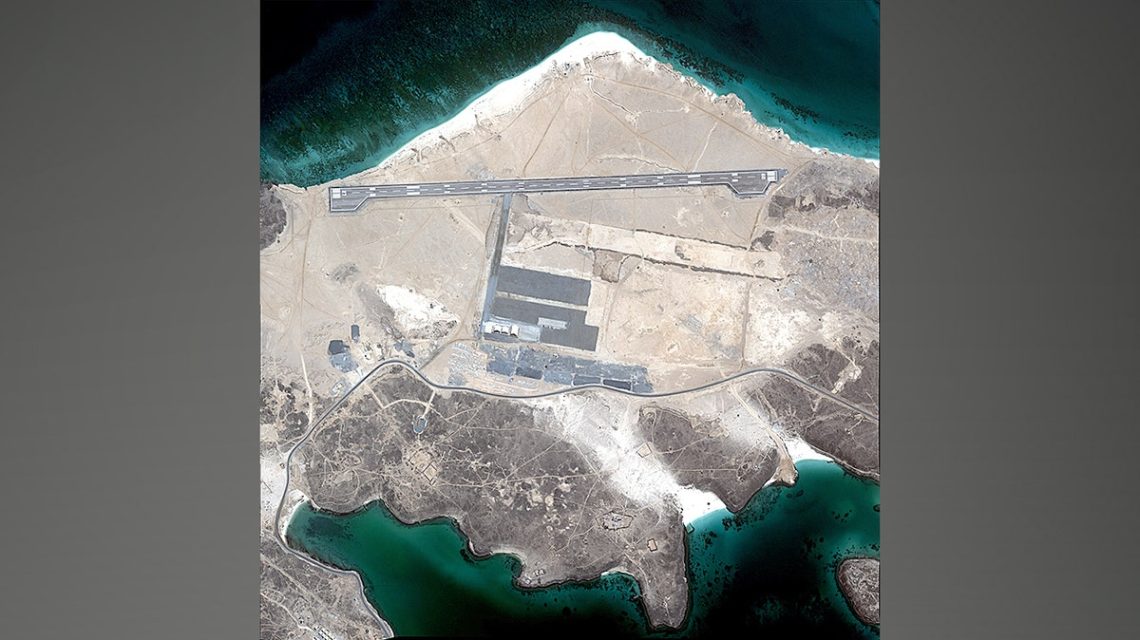
Iran-backed Houthi rebels captured Perim Island in the Bab el-Mandeb Strait on September 11. This move opens a new front in a crucial global shipping chokepoint. A former Pentagon official warned that the militants have entered a precarious situation known as a ‘kill box.’
The capture followed a month-long offensive along Yemen’s western coast, resulting in over 1,500 soldier fatalities and a serious setback for Yemen’s government, acknowledged as a ‘painful’ defeat by the Associated Press.
With Perim, they have gained what we could call the cork in the Red Sea bottle.
Morgan Murphy, former Pentagon press secretary and retired Navy captain, explained to Fox News Digital that while the Houthis control Perim, they are vulnerable. He warned that the U.S. could easily take military action.
The Houthis’ arrival at Perim aims to tighten their hold on a significant global shipping route. Despite its strategic location, they have positioned themselves in a vulnerable area.
Perim Island, located in a narrow 18-mile-wide section of the passage, has historical significance as a maritime vantage point. It has been targeted by French forces and held by the British Empire for over a century. The island sits about 20 miles from the Horn of Africa and Camp Lemonnier in Djibouti, a large U.S. military base.
This volcanic island features a 1.85-kilometer runway with military hangars, attributed to past construction by the United Arab Emirates. However, doubts remain about the runway’s current usability.
There’s a 6,000-foot airstrip on that island. I think that Emiratis built it.
The U.S. military possesses overwhelming force capabilities if needed to respond. Murphy mentioned that the Houthis are aware of the potential consequences of fortifying their position on the island.
Recent diplomatic discussions have taken place between Washington, Riyadh, and the Houthis. Saudi Crown Prince Mohammed bin Salman urged former President Donald Trump to authorize military strikes, but Trump opted for intelligence assistance instead.
The Houthis indicated a desire to avoid direct conflict with American forces. Murphy highlighted that U.S. restraint should not be confused with inaction.
The Houthi advance receives support from Iranian weaponry and guidance from the Islamic Revolutionary Guard Corps (IRGC). U.S. officials estimate the presence of hundreds of IRGC officers in Yemen. This strategy aims to drive up global fuel prices by disrupting critical shipping lanes.
Murphy compared the conflict to historical naval power struggles, emphasizing the strategic mismatch between the Houthis and major world powers. He stressed the importance of maintaining a strong Navy to ensure freedom of navigation in critical waterways.
The situation remains fluid, with expectations of a coordinated effort by the Trump administration to rally allies to keep crucial passages open and free.
 British Police Arrest Man Suspected of Terror Plot
  Activists Push for Nationwide Ban on Child Marriage in the U.S.
  Investigation into Alleged Incident at Cornell University
  Rising Drone Threats Highlight Vulnerabilities in Moldova’s Airspace Defense
  Bolivia Faces Security Test Amid Unrest
 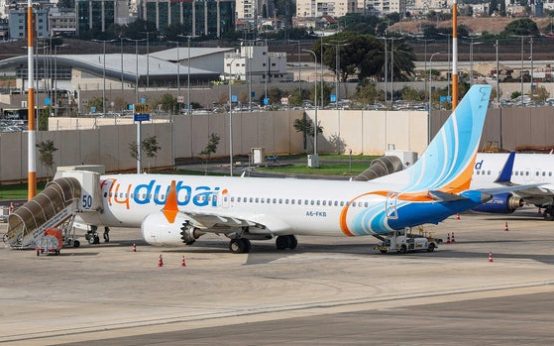 Incident on FlyDubai Flight Raises Security Concerns