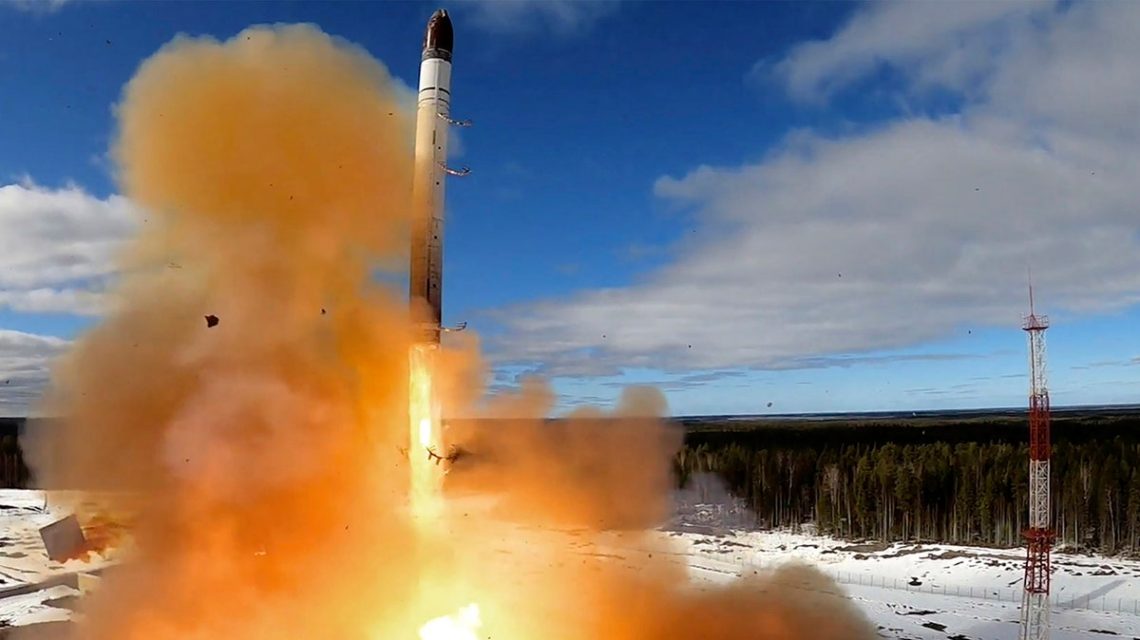
Moscow is getting ready for a crucial test of a new ballistic missile, which a defense analyst suggests could present significant challenges to Ukraine’s air defenses. Ukrainian military officials, including Vadym Skibitskyi from the Defence Intelligence of Ukraine (DIU), anticipate Russia will conduct the test by the end of the year. The missile’s range is reportedly up to 800 kilometers, and enhanced maneuverability may necessitate advanced interceptors, explained Tom Karako from the Center for Strategic and International Studies.
Missile Developments and Strategic Concerns
Russia’s missile technology has evolved, potentially making missiles cheaper and producible in larger numbers. Developments in precision-guided munitions hint at the type of missile that might be tested. Karako notes the trend toward increased maneuverability, likening it to terminal guidance systems found in the U.S. arsenal. This may signal a shift away from purely ballistic missiles to those with maneuvering reentry vehicles.
Everyone is going for increased maneuverability,” Karako explained. “Just about every gravity bomb that we have has some kind of terminal guidance for precision,” he said, specifically of the U.S. arsenal.
Live-fire demonstrations during missile tests in western Ukraine might align with standard wartime practices. However, Karako points out the breaking of norms due to wartime conditions, where early missile tests might occur directly in the field.
Treaty Implications and Strategic Shifts
The INF Treaty, signed in 1987, once prohibited missiles within the 500 to 5,500-kilometer range. The U.S. withdrew in 2019, citing Russian violations. Karako states that Russia is filling the gap left by the treaty’s dissolution, although past violations justified the U.S. departure.
Missile Attacks and Defense Challenges
Since 2022, artillery and missiles have been integral to Russia’s operations against Ukraine. Reports indicate that Russia’s missile production has surpassed targets, further straining Ukraine’s defenses. Ukrainian President Volodymyr Zelenskyy stressed the need for additional interceptors during challenging winter months.
Karako expresses concerns for NATO member countries like Poland and Romania, emphasizing the threat posed by Russia’s aggressive wartime posture. He mentions Russia’s possible strategic retention of missile reserves amidst the ongoing conflict.
 Bolivia Faces Security Test Amid Unrest
 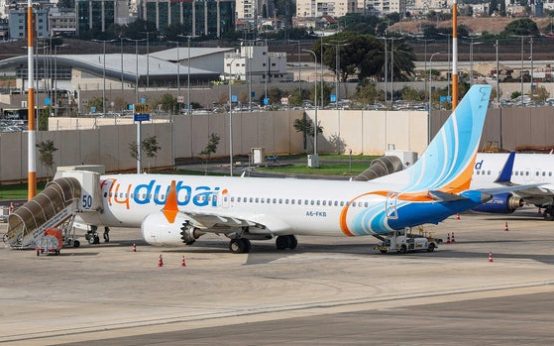 Incident on FlyDubai Flight Raises Security Concerns
  Journalist Gershkovich Discusses Wrongful Detention and Release in Russian Prisoner Swap
 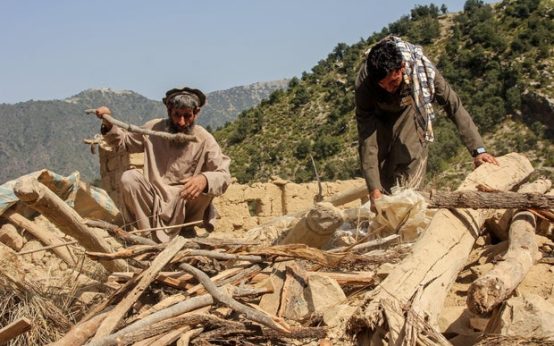 Pakistan Airstrikes in Afghanistan: Civilian Casualties Reported
 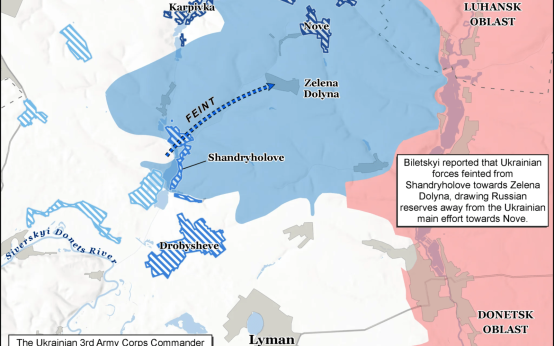 Ukraine Converts APCs to Explosive Devices in Donetsk Offensive
  Dutch Review Board’s Euthanasia Ruling and International Debate