The Role of Merenda in Italian Culture
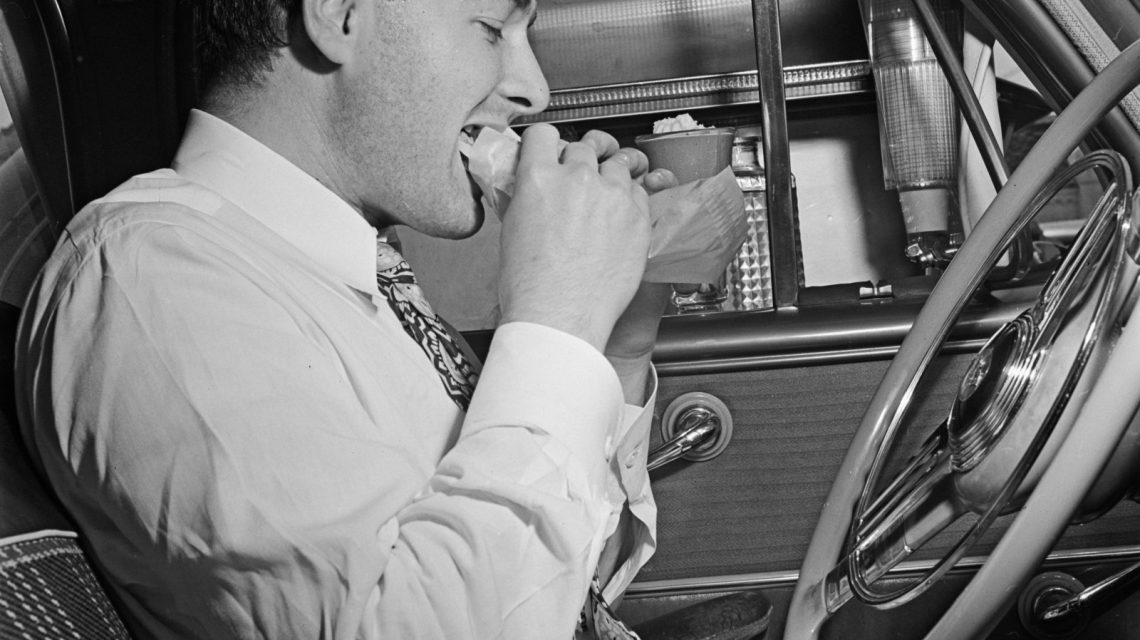
Growing up in Italy, merenda played a crucial role in daily life. It was more than just a snack. It occurred between lunch and dinner, usually from 4 to 6 p.m., serving as a bridge between the two meals. My preferred merenda included a Kinder Cioccolato paired with an Estathé, enjoyed peacefully after ballet class while my mother prepared dinner. Dinner was uniformly scheduled at 7 p.m. This fixed timing for meals made merenda essential.
The American Perspective on Snacking
Upon relocating to the United States in 2005, I found it strange that snacks did not have a designated time. Snacks could be consumed at any time, such as 10:30 a.m., 2 p.m., or even after dinner. They didn’t bridge meals like merenda; instead, they floated around them. This cultural difference seemed humorous initially but later appeared to signal a larger trend.
Changing Eating Habits Among College Students
A survey involving 1,000 American college students between the ages of 18 and 25 showed that only 24% regularly had three balanced meals daily during the school term. Over half admitted to replacing meals with snacks occasionally or frequently. The unpredictability of eating schedules was prevalent, and among students with more than a year in college, 96% had replaced meals with snacks in a typical week.
Impact of Snacks on Meal Structure
The increasing prevalence of snacking reflects shifts in eating habits, not due to a loss of interest in meals but from diminishing uninterrupted time. College students epitomize an evolving American society where food adapts to fit around work and productivity. Across the broader population, this trend is also evident. A 2025 survey by the International Food Information Council showed 62% of Americans often or occasionally replace meals with snacks, a substantial increase from 38% in 2020.
Transformation of Eating as an Activity
Eating traditionally involved sitting down with meals, often involving dishes, chairs, and occasionally company. Snacks, conversely, demand minimal effort, allowing multitasking while consuming food. College students frequently eat while studying, with 60% doing so regularly. Circana reported that 56% of lunches and half of American meals require less than five minutes for preparation, emphasizing the convenience over the meal experience.
Economic Factors Influencing Eating Habits
Financial stress is another factor impacting meal patterns. The survey revealed 86% of college students felt financially strained by living expenses, leading 90% to cut down food purchases or skip meals for affordability. This shift underscores a growing economic burden where meals compete not only with schedules but with the cost.
The Social Aspects of Shared Meals
Meals traditionally served as social gatherings, aligning varied schedules to share food together. The decline in group meals, favoring solo eating, erodes this aspect of social life. Circana’s findings show 50% of home meals are eaten alone, with solo dining prevalent in lunches and snacks.
In Italy, the concept of merenda worked because it fit seamlessly with family dinners, maintaining a structured time. In the United States, though, snacking revolves around convenience, fitting into busy schedules without designated meal times or the expectation of shared dining.
 Prepare for Rainy Fall Weather with Discounted Rain Jackets
  The Quest for the Knuckleball Dream
  Review: Stokke Nighti 3-in-1 Convertible Cot Bed
  Navigating Grief After a Sibling’s Overdose
  Embrace Failure: Turning Setbacks into Success
  Unusual In-Flight Behavior Leaves Passengers Stunned