This week highlighted a growing trend: widespread support for free press with minimal cost to the individual. Politicians across the aisle are now leveraging their positions to shield themselves from unfavorable media, citing protection of the public or press as their rationale.
Media Bans and Mergers
President Trump has taken steps to exclude certain critical media outlets from the White House. In an announcement, he declared a ban on “Fake News CNN, MSNOW, and Politico,” questioning court leniency toward “fake news” and hinting at potential censorship.
Simultaneously, Democrats are working to stop a major media merger. A coalition of twelve states is challenging the Paramount Skydance acquisition of Warner Bros. Discovery, using antitrust arguments but largely motivated by the desire to protect media platforms like CNN, perceived as liberal.
Historical Context and Political Blind Spots
The actions of both President Trump and Democratic leaders show a disregard for the consequences of undermining a free press and market economy. Historically, presidents acknowledged their constitutional duty to safeguard media freedom, despite personal grievances. Yet today, the issue is clouded by political interest rather than commitment to core principles.
A Challenge to Media Independence
The democratic opposition to the media merger is transparent. Figures such as Norm Eisen argue that allowing conservative figures like David Ellison to control CNN threatens democratic values. Prominent Democrats label the merger a “power grab,” akin to “oligarchy,” seeking to prevent any “MAGA influence.” Some suggest allowing the merger if CNN is sold to a liberal party, ignoring potential fallout.
The Spirit Airlines and JetBlue merger serves as a cautionary tale. Despite Democratic claims of victory in blocking the merger, Spirit Airlines went bankrupt, leading to job losses. Similarly, CNN struggles financially, and the merger promises stability. However, political motives override the decision.
The Role of a Robust Media
A robust media requires support beyond personal biases against coverage. As someone with decades of experience in legal analysis across networks, I see the necessity for financially and journalistically strong media companies.
Historically, politicians let emotions compromise judgment, as seen with President John Adams’ Alien and Sedition Acts. Today, political leaders manipulate media exposure, attempting to dictate what the public should consume. This pattern spans centuries as politicians exploit anger and partisanship to attack the media.
Supporting free press and market does not imply agreement with all media content. Instead, it defends your right to choose your news sources. Protecting these freedoms ensures diverse perspectives are accessible, resisting political overreach.
Jonathan Turley is a law professor and author of “Rage and the Republic: The Unfinished Story of the American Revolution.”
 Trump Administration Distributes ACA Refund Checks
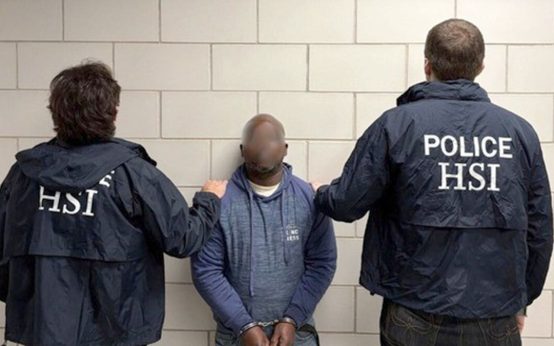
  Trump Administration’s Approach to Illegal Alien Deportations
  New Jersey Voter Fraud Prompts Renewed Push for SAVE Act
  Concerns Over Changes to Voter-Registration Form for Americans Abroad
  Trump’s 2024 Campaign Targets Young Men Through Cryptocurrency
  Trump’s White House Visitor Center Proposal Gains Bipartisan Support