The atmosphere on college campuses is alive with energy as students discover their classes, meet new friends, and engage in college traditions. With fall’s chill approaching, the excitement of intercollegiate competition also arises. This signals the return of the NPR College Podcast Challenge. Students across the nation compete for a $5,000 top prize for the best college podcast in America, along with a $500 scholarship for finalists.
Now in its sixth year, the contest has captivated thousands of students from a broad array of colleges. It has delivered a diverse collection of stories to audiences, from personal narratives to investigative journalism. Previous winners have showcased a spectrum of compelling tales, such as: a sound-rich depiction of life with a rare mental health condition by an international student, a Fordham student’s reflections through interviews and letters addressing family illnesses, a Penn State freshman’s report on an obscure incident involving a young Cassius Clay, and a Colorado College student’s personal journey discovering her biological father’s true identity.
The College Podcast Challenge stems from the NPR Student Podcast Challenge, launched in 2018 for younger students, and this year it is joined by the new Senior Podcast Challenge for those aged 65 and older.
Participation Guidelines
The contest rules require submissions of audio stories no longer than eight minutes, devoid of copyrighted music. Entrants must strictly follow the guidelines to ensure eligibility.
Tips for Success
Recent trends show improvements in sound production and storytelling. Students are becoming more comfortable with recording and editing. However, unnecessary sound effects and extensive music scoring can detract from the podcast. Excessive use may lead to distractions or violate rules regarding original music. Resources are available to guide selective scoring and recording improvements.
The best podcasts will feature on NPR, demanding adherence to ethical principles of journalism. This includes avoiding AI assistance, presenting balanced perspectives, verifying facts through comments, and respecting privacy.
Ultimately, what matters is a compelling story. So, prepare your recording setup and share your narrative with the world!
 Senate Democrats Block Data Center Bill Over Efficiency Concerns
 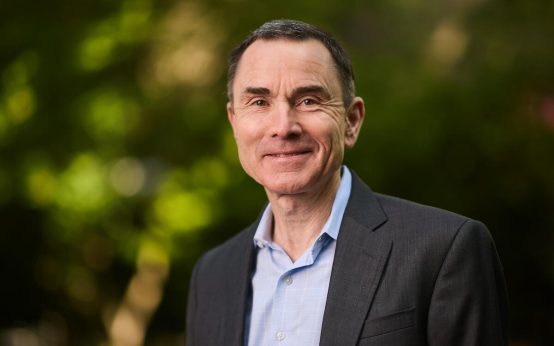 David Madigan Appointed as USC’s Chief Academic Officer
  North American Values Institute Questions Pittsburgh Schools’ New Curriculum
  Debate Over Proposed English-Only Rule for Head Start Programs
  Impact of Removing Regents Requirement on Education
  Future Cities: Ambitious Projects Aiming for Innovation and Sustainability