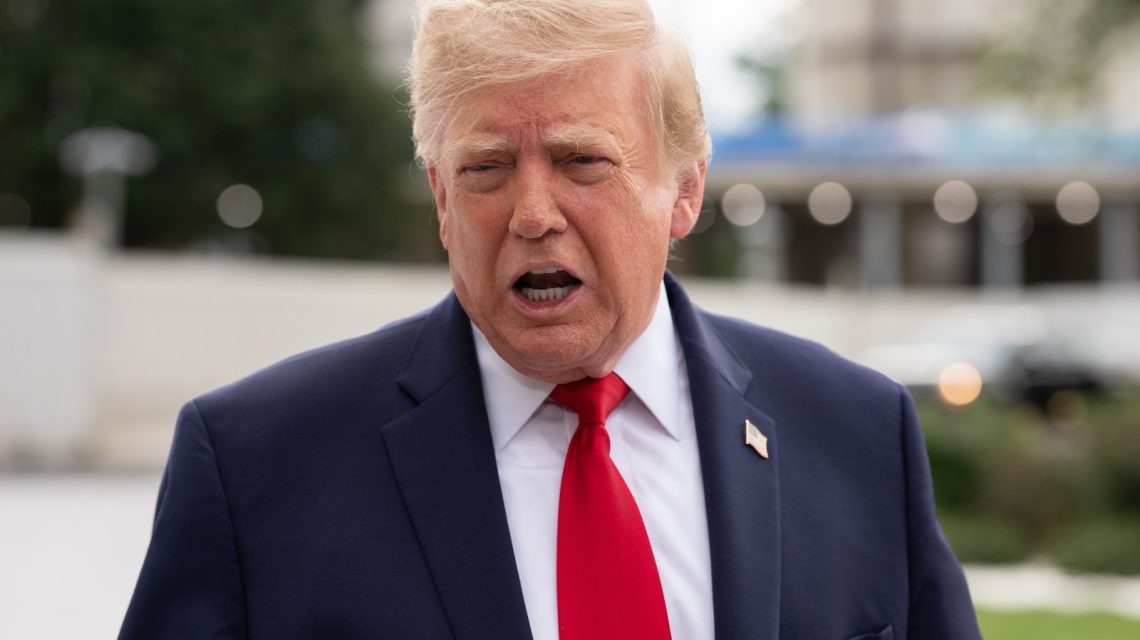
President Donald Trump stated on Saturday that he rejected Iran’s proposal to reopen the Strait of Hormuz and stop the ongoing conflict, labeling the offer unacceptable. However, he remained open to future talks. “They want to make a deal and I think that’s fine,” Trump told reporters before departing the White House. “I’d like to make a deal, too, but that deal would not be acceptable.”
These remarks represent a setback in diplomatic efforts to resolve the seven-month conflict involving the United States, Israel, and Iran. This conflict has disrupted global energy markets and substantially reduced shipping through one of the world’s most crucial oil transit routes.
Newsweek reached out to the White House for comment on Saturday morning.
Iran’s Offer to Reopen the Strait
This week, Iranian officials proposed through mediators to reopen the Strait of Hormuz within seven days and resume talks over Tehran’s nuclear program. In return, Iran requested concessions from Washington, which included relief from economic pressures and commitments regarding the ongoing conflict.
Trump noted his rejection of the proposal, emphasizing Iran’s economic struggles. “They want to make a deal to open the Hormuz Strait immediately because they’re losing so badly,” Trump stated. Waterway traffic has dropped significantly since the conflict escalated earlier this year, impacting global oil supplies and creating economic concerns far beyond the Middle East.
Iran Seeks New Nuclear Discussions
Iranian Foreign Minister Abbas Araghchi expressed Tehran’s willingness to restart discussions over its nuclear program if broader agreements could be achieved. According to Iranian officials, the proposal included a seven-day plan to reopen the Strait of Hormuz and reduce regional hostilities before continuing with broader negotiations.
Iranian President Masoud Pezeshkian supported diplomatic efforts during appearances at the United Nations General Assembly but insisted that Tehran would not succumb to U.S. pressure. The proposal emerged after indirect talks between U.S. and Iranian representatives at the annual global leaders’ gathering in New York.
Trump’s Warning at the United Nations
Trump’s rejection follows his stern warning to Iranian leaders during his speech at the United Nations General Assembly. In the address, Trump warned Tehran about the choice between reaching an agreement with the U.S. or facing what he termed as “annihilation.” The administration believes military and economic pressures have improved Washington’s negotiating stance, with Trump interpreting Tehran’s proposal as a sign of the strategy’s effectiveness.
Despite the rejection, Trump signaled openness to further diplomacy. “They want to make a deal, and I think that’s fine,” he continued. “I like making a deal too.”
Following indirect discussions between U.S. and Iranian officials during the United Nations General Assembly, Iranian representatives have expressed their willingness to negotiate, while the Trump administration has continued to exert military and economic pressure on Tehran.
Trump also avoided commenting on the potential for the United States to resume military strikes after the November midterm elections.
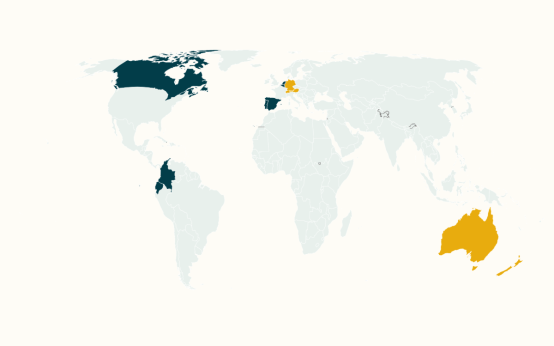 Dutch Review Board’s Euthanasia Ruling and International Debate
 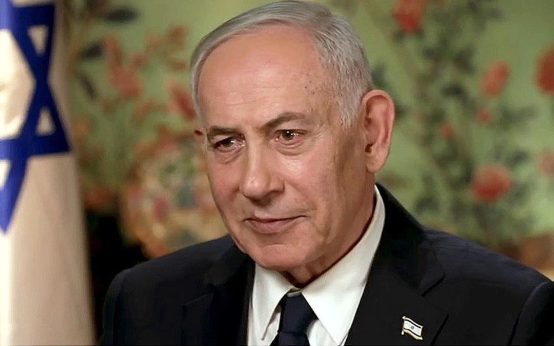 Israeli PM Commends Heroic Actions in Flight Emergency
 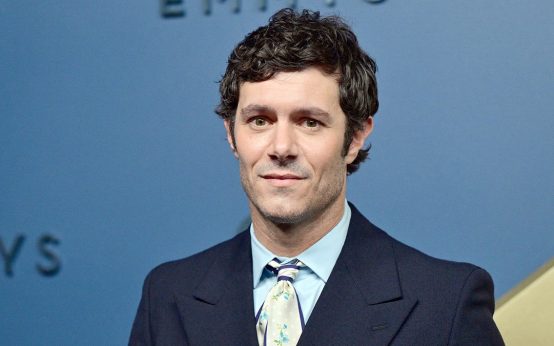 Rabbi and Jewish Leaders Criticize Adam Brody for ‘Genocide’ Comment
  Flydubai’s Emergency Landing Highlights Cockpit Security
 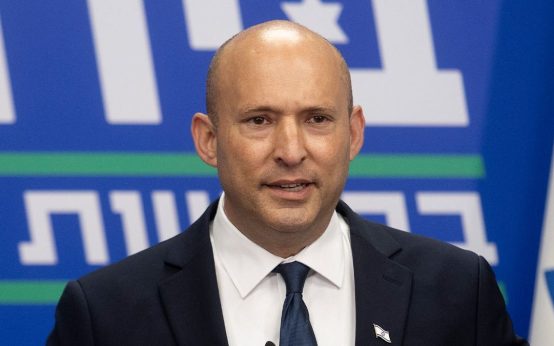 Former Israeli PM Naftali Bennett Commends Passengers and Crew for In-Flight Heroism
 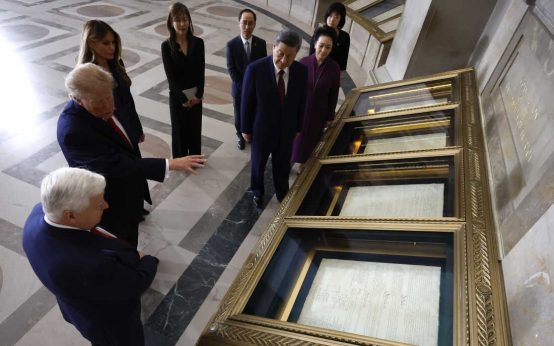 Diplomatic Complexities Unfold at U.S. National Archives Visit