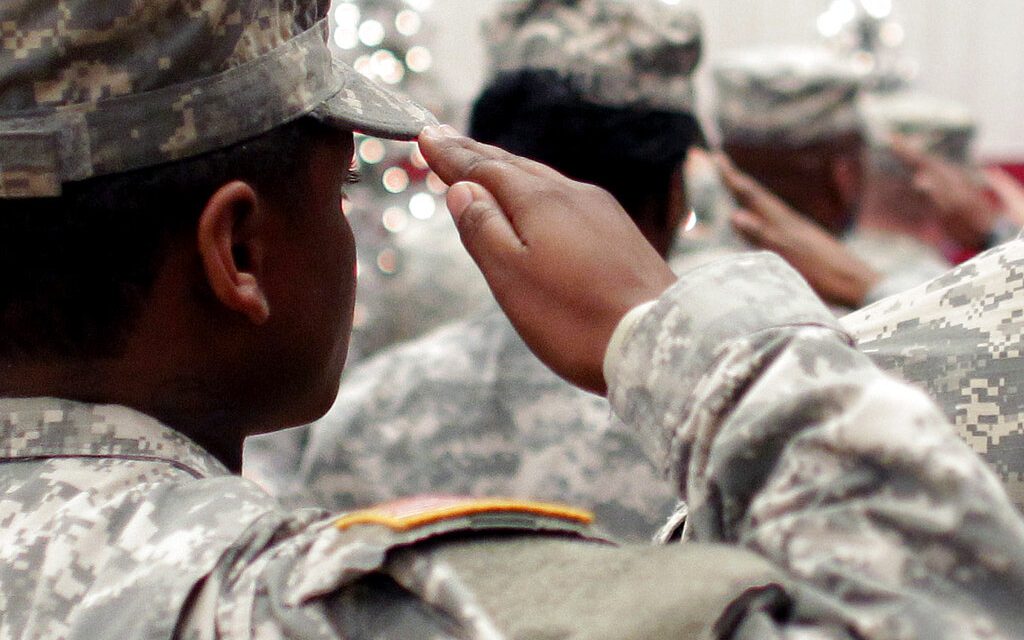
The U.S. military is experiencing its most successful recruiting period in over a decade. The Navy enlisted 45,000 new sailors, reaching their goal three months ahead of schedule. Similarly, the Army achieved its target of over 61,500 soldiers four months early. Congress approved the military to expand by approximately 26,100 troops this fiscal year. A large number of Americans are volunteering to serve, with the nation promising them opportunities beyond their military careers. Higher education is one of those opportunities, but often, it falls short.
Over half of military personnel join for education benefits. However, only about 30% of veterans hold a bachelor’s degree. Colleges play a key role in national security. The military needs to present a credible promise of future opportunities to attract and retain talent.
I personally know the impact of higher education. While serving as an Air Force officer on international missions, I earned a master’s degree in organizational leadership from National University. The education I received changed my leadership approach and improved my service contributions. National University catered to my needs by offering courses year-round online, accommodating my military schedule. Many service members lack such flexibility.
Traditional colleges often follow a standard academic schedule, suitable for recent high school graduates, not service members, reservists, spouses, or veterans juggling deployments and work. The misalignment goes beyond scheduling. Veterans arrive on campuses with visible and invisible injuries from service, including PTSD, traumatic injuries, and disabilities. Almost half of student veterans use the Department of Veterans Affairs for mental health support. Yet, only 54 institutions nationwide offer on-site clinical Veterans Affairs care.
Clinical care is crucial, but not enough. Many face moral injuries, a deep distress from experiences that conflict with personal ethics. Service members carry these burdens into classrooms. At my university, faculty built trust by understanding me personally, beyond academics, helping me persist through challenges. Institutions that foster such connections can better support veterans.
Assessing and converting military service to college credit is another key issue. Service members possess advanced skills, yet many schools provide little or no recognition for military training and experiences. Granting credit for prior knowledge can speed up degree completion, save costs, and affirm to veterans that their skills are valued in civilian life.
Furthermore, colleges must enhance their efforts in bridging students to post-graduation careers. Veterans need guidance to apply military experiences to civilian jobs. Career advisors should facilitate connections with industry partners and guide veterans towards high-demand careers. By pairing education with career and wellness support, colleges can streamline transitions from military to academics to workforce.
The effectiveness of recruiting relies on personal accounts. When veterans leave college without a degree, they share those experiences, influencing others considering enlistment. The nation pledges opportunities to those serving. Higher education must ensure it follows through on that commitment.
Philip “Flip” West is an alumni of National University and UCLA. His views do not necessarily represent those of the Department of War.
 Cargo Plane Crash at Miami International Airport
  Marine Veteran Suing Oregon School District Over Curriculum Reimbursement
  Tennessee Execution Halted as Issues Persist with Lethal Injection Protocol
  Judge Dismisses Case Against Former Olympian Over Lincoln Memorial Incident
  Minnesota Family Files Civil Rights Lawsuit Over ICE Agent Shooting
  California Bans Child Marriage, Protecting Minors