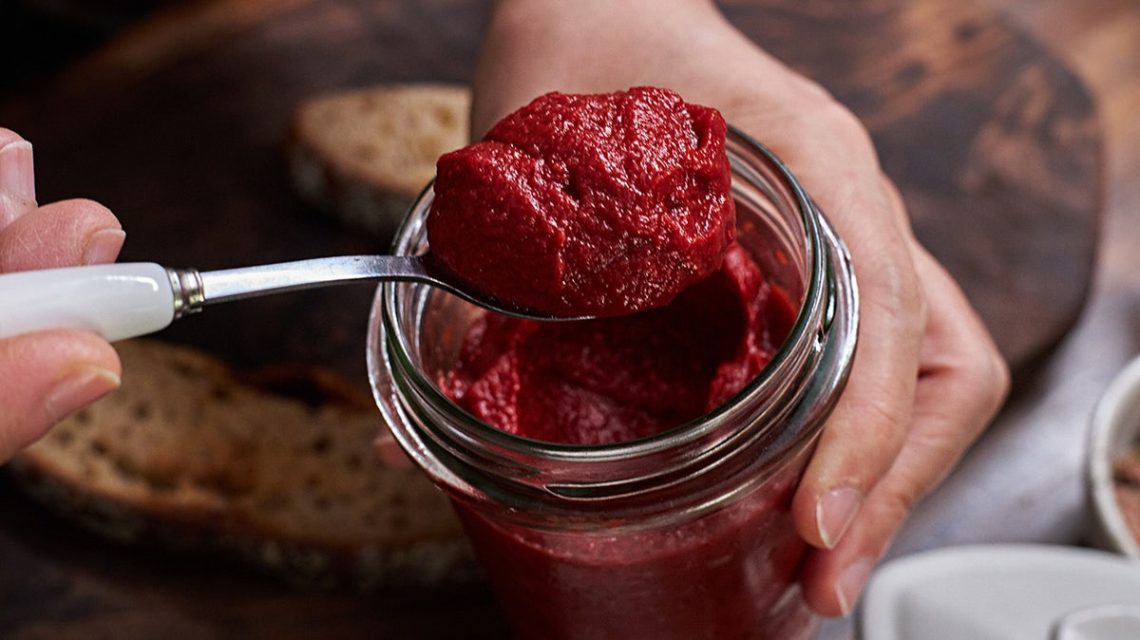
A recent study by Spanish researchers has linked the daily intake of tomato paste to improved attention and processing speed. Participants who incorporated about two tablespoons of tomato paste into their diet daily for three months demonstrated enhanced concentration, quicker processing speed, and better associative memory compared to when they consumed low-lycopene diets.
The study involved 42 healthy adults aged 40 to 55. They followed each diet phase for three months, separated by a one-month washout period. During the low-lycopene phase, participants adhered to their usual eating habits but avoided foods rich in lycopene like tomatoes.
In the phase where tomato paste was consumed, participants ingested around 0.5 grams per kilogram of body weight each day, averaging 35 grams daily. Following this period, participants showed an average increase of 7.2 points in concentration, 8.3 points in processing speed, and 0.8 points in a face-name associative memory test.
The trial employed a randomized crossover design, allowing participants to serve as their own controls before and after consuming tomato paste. Blood tests conducted during the study indicated a borderline rise in BDNF, a protein essential for brain-cell growth and adaptability.
Brain scans from a subset of participants revealed changes in resting connectivity, indicating potential improvements in how different brain regions communicate when not focused on specific tasks. Despite these findings, researchers cautioned that the small sample size limits conclusions regarding significant brain benefits.
The study, published in the journal Antioxidants, does not claim that tomato paste prevents cognitive decline or disease. Instead, it offers preliminary insights into how lycopene-rich foods might benefit the brain. Researchers emphasized the need for larger studies to explore these outcomes further.
Dr. John Showalter, an internal medicine physician and COO of Linus Health, acknowledged the trial’s small sample size but noted its alignment with existing research suggesting the importance of naturally red foods for brain health.
According to Showalter, the study’s comparison of low-lycopene phases suggests that restricting lycopene-rich foods may negatively impact brain function. Other lycopene sources include watermelon, papaya, and red peppers, with cooked and concentrated tomato products offering substantial amounts.
 Increased Funding Needed for Psychiatric Hospitals
  Trump Administration Distributes ACA Refund Checks
  Higher Consumption of Ultra-Processed Foods Linked to Increased Health Risks
  Understanding Inflammation: Myths and Facts
  Calm Parenting: Strategies to Manage Stress
  Trump’s Executive Order to Combat Mosquitoes and Ticks in D.C.