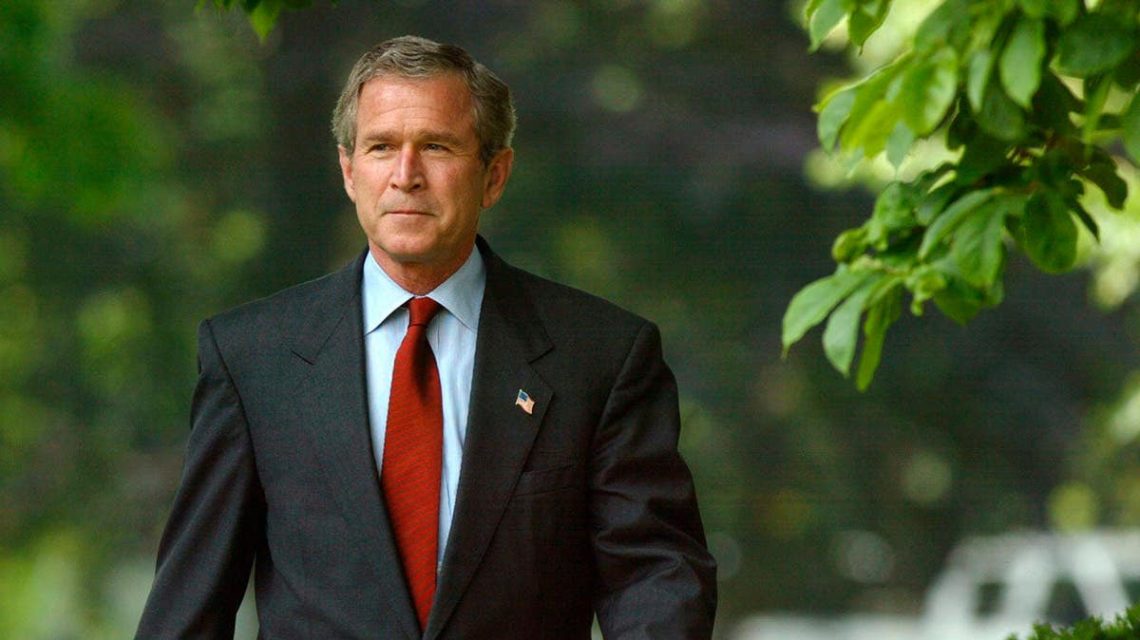
The 2026 midterm election presents significant challenges for Republicans. The outcome will largely depend on how well they control the narrative, a battle they are currently losing as in 2006, when the Iraq War heavily influenced voter sentiment.
Post-2004, Republicans held a majority in the House with 232 seats compared to the Democrats’ 202. However, the situation reversed after the 2006 election, with Democrats holding 233 seats, including the independent seat. This shift occurred despite favorable economic growth in 2006, which saw a 3% increase and the addition of 1.8 million jobs.
Republicans lost control due to two factors: failing to dictate the narrative and not providing voters with a clear future plan. The Iraq War was the dominant issue, overshadowing economic factors. Exit polls indicated that 56% of Americans disapproved of the war, which affected President Bush’s approval ratings.
In 2006, the public’s dissatisfaction with the Iraq War and the Mark Foley scandal influenced the election, leading independents to favor Democrats by a margin of 57% to 39%. The public viewed the Iraq War, while remote from the U.S., as a distant conflict with fewer hardships than historical wars.
Although gas prices rose during this period, they were declining by the election time. Comparatively, Iraq War casualties were far less than the Vietnam War, providing context to public perception.
The Republicans’ mistakes in the 2006 election were not offering a proactive agenda, relying instead on financial advantages and past achievements. They failed to present a compelling narrative, leading Democrats to control the narrative.
In 2026, the parallels are evident. Americans today face another Middle East conflict, and gas prices have risen. Despite economic improvements such as record-low poverty, manufacturing growth, and strong consumer spending, Republicans haven’t communicated a future plan.
Republicans have critiqued Democrats but failed to propose a concrete agenda for 2027. A potential plan includes:
- Reducing federal tax for homeowners selling homes, with exceptions for seniors over 65.
- Enhancing Social Security by minimizing government fraud, translating savings into substantial monthly benefits.
- Addressing security concerns in the AI era.
The phrase “You can’t be something with nothing” underscores the principle that Republicans need a substantial offer to win the upcoming election.
Tom Del Beccaro is an author and political commentator. He participated in the 2016 Senate race in California.
 Defense Secretary Emerges as Key Player in the Trump Administration
  Hegseth’s Vision for the Military: Balancing Tradition and Innovation
  Significant Funding Boosts Ken Paxton’s Texas Senate Campaign Amid Tight Race
 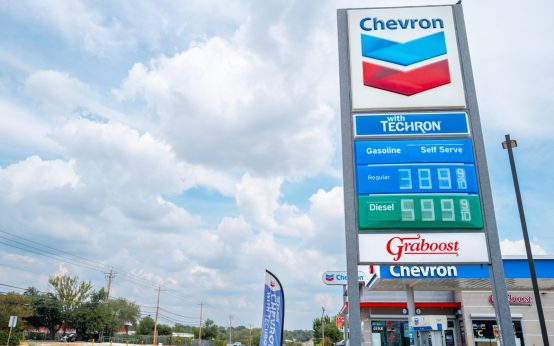 U.S. States Extend Gas Tax Waivers Amid Rising Fuel Costs Due to Iran Conflict
  USCIS Raises Immigration Fees
  The Surveillance Threat to U.S. Federal Agents