
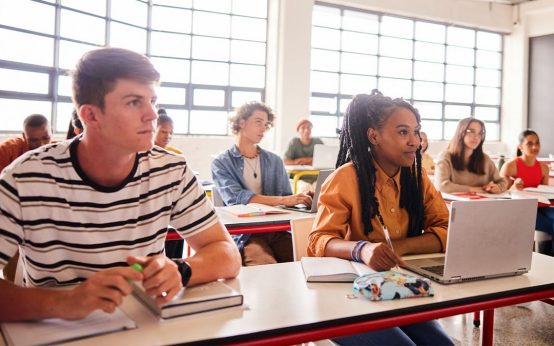
The shift in classroom dynamics is notable. When I first became a political science professor two decades ago, my initial challenge was calming a room of talkative undergraduates. In contrast, today’s classrooms are overwhelmingly quiet. Students are often absorbed in their phones, paying little attention to those around them.
This change reflects broader trends in communication and social interaction. Technology creates connections over vast distances, yet paradoxically, it can isolate individuals in physical spaces. This societal transformation prompts educators to consider strategies that encourage engagement and participation among students.
One approach involves fostering environments that promote active interaction. Introducing activities requiring collaboration or discussion can counteract the silence. Engagement, both formal and informal, is key to sparking conversation and interest.
Furthermore, incorporating topics relevant to students’ lives can capture their attention. When students see connections between course content and everyday experiences, they are more likely to contribute to discussions. Additionally, recognizing individual student contributions helps build a sense of community.
Addressing the challenge of student isolation is crucial. In doing so, educators can cultivate classrooms where students feel valued and motivated to collaborate. Such environments are essential for meaningful learning and interaction in the modern age.
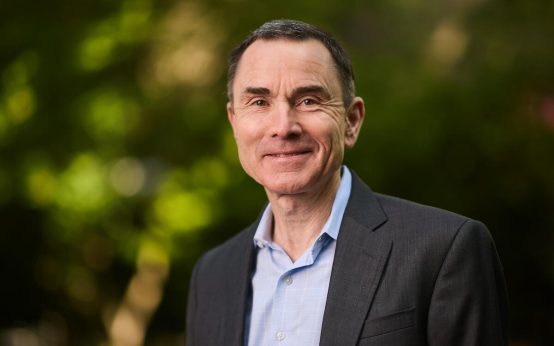 David Madigan Appointed as USC’s Chief Academic Officer
  North American Values Institute Questions Pittsburgh Schools’ New Curriculum
  Debate Over Proposed English-Only Rule for Head Start Programs
  Impact of Removing Regents Requirement on Education
  Impact of College Rankings on Lesser-Known Institutions
  Evaluating Accountability in Missouri’s Education System