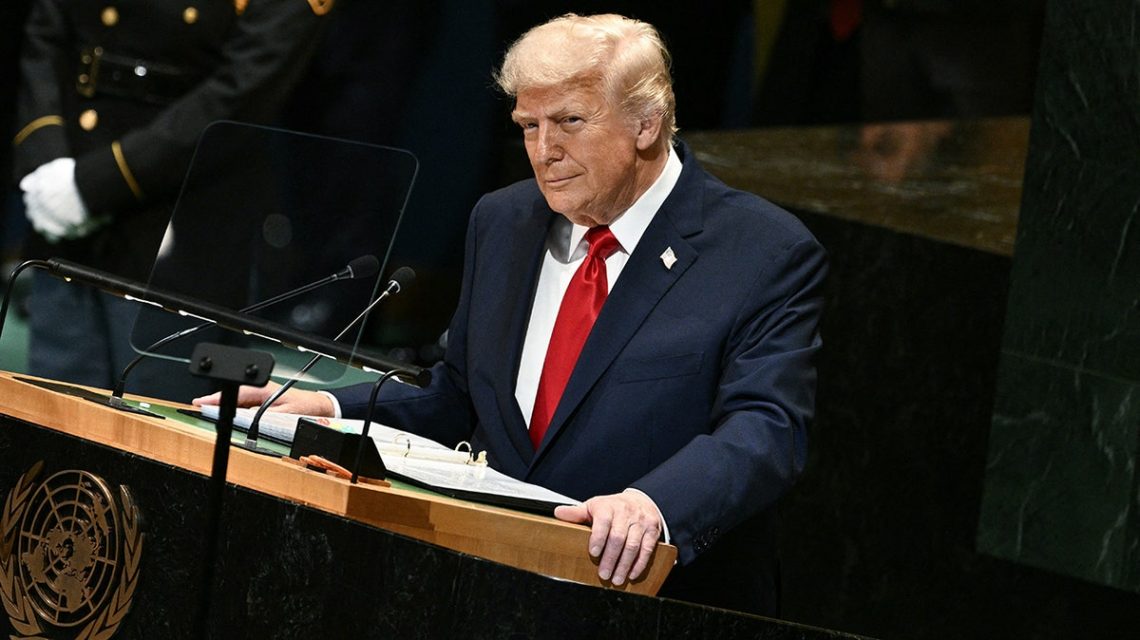
Officials from the Trump administration are challenging Iran’s belief that increased prices and upcoming midterm elections could weaken President Donald Trump’s position in negotiations. These discussions aim to resolve a nearly seven-month dispute. Confidence is expressed by the administration that economic pressure will drive Tehran towards a deal, following a three-hour meeting that ended without a breakthrough announcement.
Tommy Pigott, State Department principal deputy spokesperson, stated to Fox News Digital during the U.N. General Assembly that the president maintains advantageous position. Pigott remarked, “The president holds all of the cards here.”
Meanwhile, Americans face rising costs at home. AAA reported that the national average for regular gasoline hit $4.49 per gallon, previously $3.16 a year ago. Contributing factors include volatility in the Strait of Hormuz and high crude oil prices, marking the highest average for this time of year.
Secretary of State Marco Rubio acknowledged these financial burdens while emphasizing that preventing Iran from acquiring a nuclear weapon is crucial. Rubio commented, “It comes at a price and at a cost, there’s no doubt about it. But the cost of not doing something about it is substantially higher, especially for future generations.”
President Trump presented Tehran with an ultimatum in his U.N. General Assembly address, urging them to choose between a deal for rebuilding Iran or facing severe U.S. consequences. Trump commented on Iran’s potential annihilation, “Do I drive them into hell with no chance of survival and no hope of future greatness or generations?”
Trump speculated that Iran is waiting to see the results of the midterm election, believing it might affect his position. Trump stated, “They’re waiting to see how I do in the midterm election. What they don’t realize is that I’m not running.” He reiterated that the election wouldn’t influence his stance on Iran.
A U.S. official indicated that mediator-facilitated discussions were “positive and constructive,” and reassured there was no urgency for an agreement. The U.S., controlling the Strait of Hormuz, is confident of its negotiating strength. Over the previous 48 hours, nearly 40 million barrels of oil transited the strait, with expectations of declining oil and gas prices.
Recent negotiations included a “very good” meeting with Iranian officials, aligning with diplomatic efforts to resolve the conflict. Rubio warned that these talks weren’t groundbreaking, describing them as continuations of prior dialogues.
Iranian Foreign Minister Abbas Araghchi presented a proposal with a seven-day plan to ease passage through the Strait of Hormuz under certain conditions, followed by broader negotiation efforts. The proposal links back to a memorandum between Trump and Iran in June, with positive feedback on discussions from mediators.
Energy infrastructure threats add another layer to the regional uncertainty, with Iran-backed Houthi rebels targeting Saudi Arabia during the conflict’s expansion. A Saudi pipeline restart post-attacks is crucial, as stated by Rubio.
Rubio affirmed U.S. defense commitments to Saudi Arabia without detailing military options Trump might consider. “They are a strategic defense partner,” Rubio emphasized, confirming the U.S. obligations to Saudi Arabia.
 Upcoming Congressional Elections: Key Districts to Watch
  Bolivia Faces Security Test Amid Unrest
  President Trump’s Pre-Midterm Interview on Key Issues
 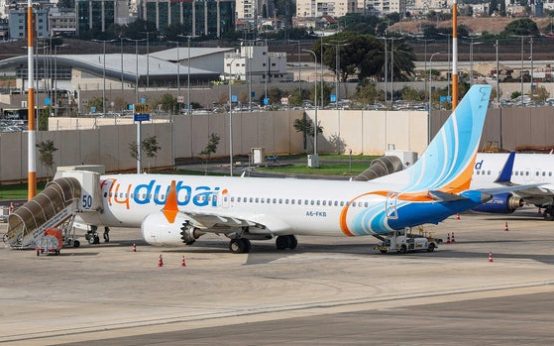 Incident on FlyDubai Flight Raises Security Concerns
 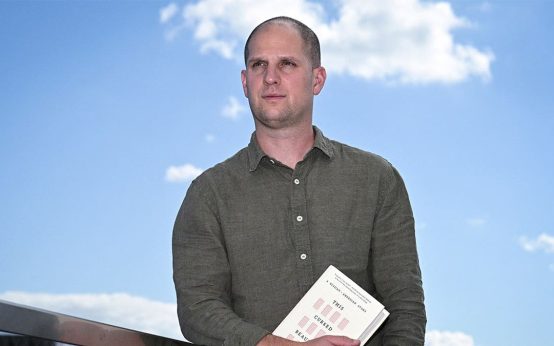 Journalist Gershkovich Discusses Wrongful Detention and Release in Russian Prisoner Swap
 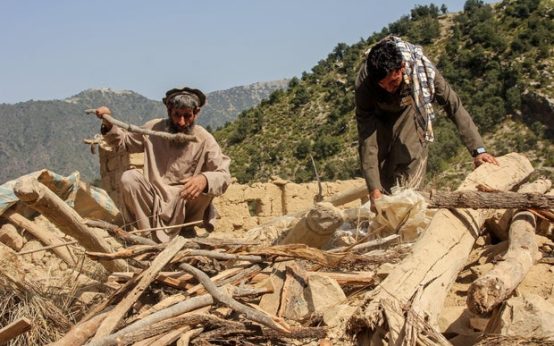 Pakistan Airstrikes in Afghanistan: Civilian Casualties Reported