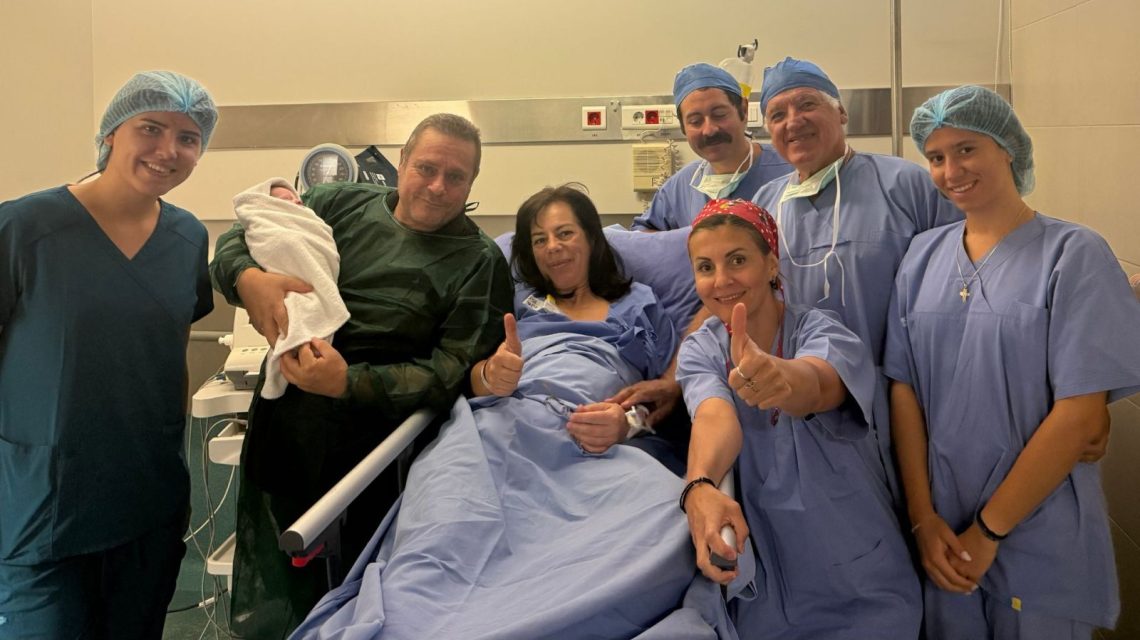
A Greek couple, Christina and Konstantinos Rapti-Tzelepi, recently welcomed a baby girl from embryos frozen 22 years ago. This follows the loss of their son, George, who passed away earlier in the year.
IVF Milestone at Genesis Athens Clinic
Christina, at 54, gave birth after undergoing in vitro fertilization (IVF) at Genesis Athens Clinic in December 2025. The embryos were initially frozen on March 17, 2004. The couple decided to try again for a child after their son, George, died in a tragic accident in October 2025.
In Greece, women can only undergo IVF until the age of 54. This meant the couple faced a tight deadline amidst their grief. According to Newlife IVF Greece, the age cap exists due to the medical risks of advanced maternal age and natural reproductive limits. Now, Christina and Konstantinos are advocating for changes to these laws.
Reflections on Loss and Hope
The Rapti-Tzelepis spoke to Newsweek about enduring immense grief while pursuing a new path to parenthood. Their gynecologist, Dr. Konstantinos Pantos, translated their thoughts. The couple met through friends 30 years ago, and after three years of trying for a baby, IVF became their solution.
Their first IVF attempt resulted in George’s birth, delivered via cesarean section due to complications. Doctors advised against further pregnancies because of potential risks, leading the couple to freeze their remaining embryos.
After George’s passing, the couple decided to have another child. Despite warnings, they felt it might heal their heartbreak. Konstantinos believed George would want them to pursue happiness and family again.
The Journey through IVF
With the 54-year age limit approaching, the couple underwent IVF. Dr. Pantos noted their unique emotional burden during the pregnancy; Konstantinos found it tough to attend appointments.
Pantos shared that Konstantinos’ first smile came with his daughter’s birth. Despite newfound joy, they are still processing their grief, but their daughter brings hope.
A Bright New Beginning
The pregnancy proceeded more smoothly than anticipated. They used three embryos from the 2004 batch, resulting in the birth of their daughter at 39 weeks, weighing about 7.6 pounds.
Seeing their newborn made Christina and Konstantinos feel hopeful again. They plan to share their IVF journey with their daughter as she grows, emphasizing the importance of resilience.
Calls for Legal Change
Despite the positive outcome, the couple faces challenges. The current IVF age limit stops them from having more children in Greece.
Christina is worried about her daughter being an only child later in life. She feels capable of raising more children and considers it unfair to be limited by the law. The couple may seek treatment abroad if restrictions remain unchanged.
Dr. Pantos supports changing the law to allow more flexibility. He believes that the legislation should consider individual circumstances, such as grieving families or older women wishing for siblings for their children.
With the average age of first-time mothers in Greece reaching 31.2 years in 2024, Dr. Pantos argues for a more nuanced approach to age limits in IVF legislation, recognizing that many women now have children later in life.
 Investigation into Alleged Incident at Cornell University
  Rising Drone Threats Highlight Vulnerabilities in Moldova’s Airspace Defense
  Bolivia Faces Security Test Amid Unrest
  Incident on FlyDubai Flight Raises Security Concerns
  Journalist Gershkovich Discusses Wrongful Detention and Release in Russian Prisoner Swap
  Pakistan Airstrikes in Afghanistan: Civilian Casualties Reported