
America is witnessing a significant transformation driven by the tech industry’s demand for computational power to support artificial intelligence (AI). Across the nation, tech companies are constructing expansive data centers packed with equipment that consumes substantial amounts of energy.
Data Center Expansion Nationwide
Since 2013, various counties including Racine County, Wisconsin; Maricopa County, Arizona; and Loudoun County, Virginia have seen an upsurge in large-scale data center constructions. These structures are essential for housing the massive servers that manage billions of data points required for AI application.
According to imagery from Google Earth and data from Cleanview, a company tracking data center development, the United States currently hosts nearly 100 hyperscale data centers. Each requires at least 100 megawatts of power at peak operation, which is enough to supply energy to approximately 80,000 homes. Additionally, 120 centers are under construction, with 460 more in planning stages.
Impact on Land Use
A significant portion of these data centers have been established on previously developed land. However, others have replaced farmland, shrubland, and forest areas. David Adams, an associate professor at California State University, notes these centers primarily appear in affluent metropolitan regions due to their need for stable power and fast internet.
The potent chips within new AI-powered data centers demand more electricity, prompting construction in rural areas. These locations offer reduced costs while providing proximity to essential fiber internet lines. Some centers are being equipped with their own power generation facilities, responding to criticism about increasing local electricity prices.
Case Study: SpaceX’s Colossus 2
SpaceX, now merged with xAI, erected its Colossus 2 data center in Memphis beside an existing gas power plant. The center is temporarily powered by gas turbines, noted for more pollution compared to grid power. SpaceX’s older Colossus center has faced local protests over emissions-related concerns.
Expanding Horizons
Traditionally, data centers consisted of single buildings located in urban areas. David Adams highlights that hyperscale centers begin with one building, with expansions spanning up to six buildings. Meta’s Hyperion project in Louisiana exemplifies this growth, as it aims to surpass even the Colossus 2 center’s footprint and Manhattan’s Central Park by scale. Cleanview’s predictions anticipate Hyperion will only rank fifth in the U.S. by square footage by 2030 if ongoing plans proceed without interruption.
 Senate Democrats Block Data Center Bill Over Efficiency Concerns
 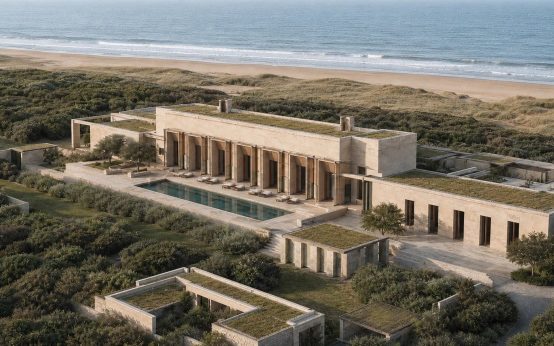 Future Cities: Ambitious Projects Aiming for Innovation and Sustainability
 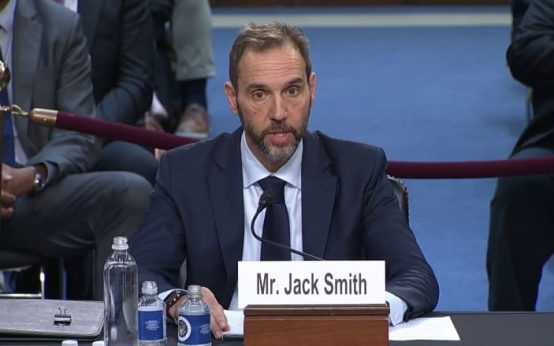 High-Profile Hearing and AI Developments: Key Political Moves
 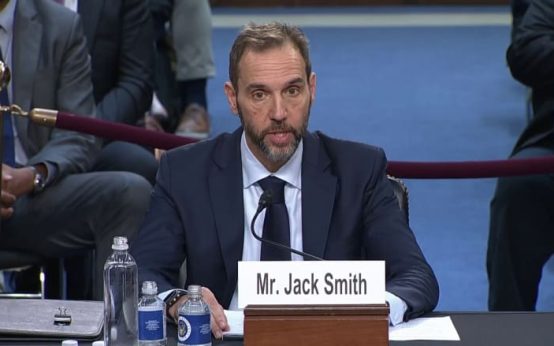 Key Events in Today’s Discussions Involving Jack Smith and President Trump
 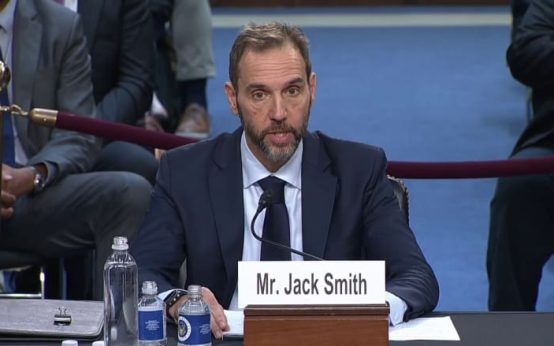 Jack Smith Faces Scrutiny Amid Investigations into Trump
  White House to Promote AI Benefits Amidst Security Concerns