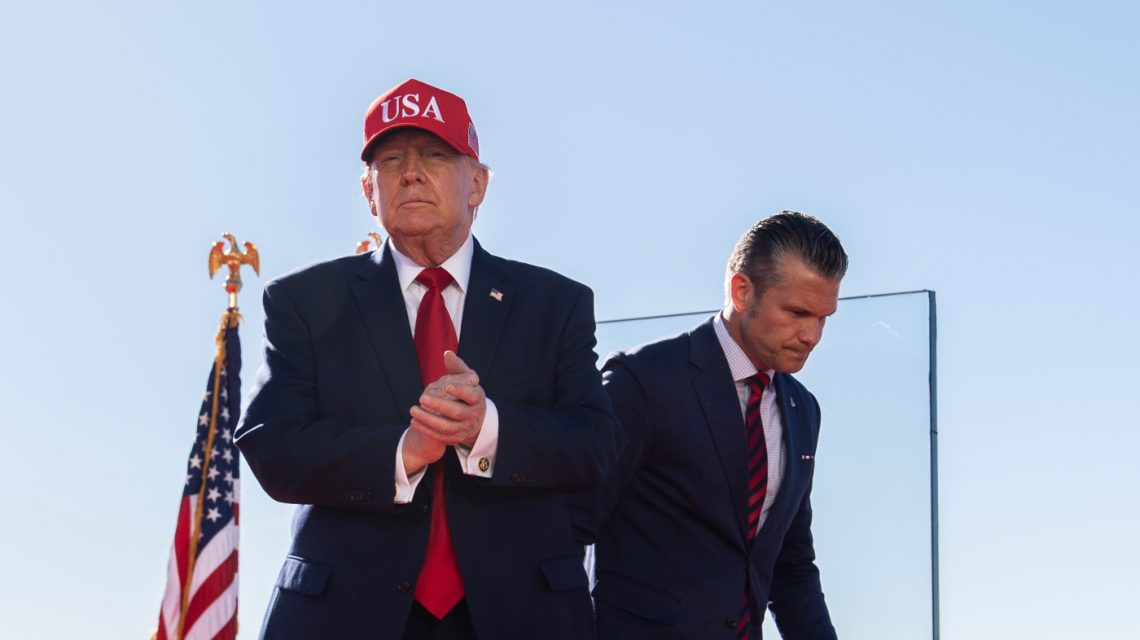
Defense Secretary Pete Hegseth recently introduced President Donald Trump at an event for Anduril Industries, Inc., in Sparrows Point, Maryland. The event brought attention back to public executions in America, highlighting the last high-profile case in 1936 involving Rainey Bethea. Bethea’s execution drew approximately 20,000 people to Owensboro, Kentucky.
Despite the festive atmosphere of the time, with food and drinks being sold as if it were a picnic, the event stirred national outrage. Since 1938, the U.S. has held no public executions.
Defense Secretary Hegseth announced plans to livestream the execution of Nidal Hasan, convicted for the Fort Hood shooting in 2009. President Trump initially approved this decision, but bipartisan opposition led to its cancellation. The president argued that publicizing the execution could deter crime, a notion debated among experts.
Having experience as a prosecutor and defense attorney, I believe executions do not deter crimes broadly. They serve to prevent further acts by the offender. An example is Donald “Pee Wee” Gaskins, a convicted murderer whose execution was necessary to halt his violent actions.
Witnessing an execution is a complex decision. While some victims’ families may seek closure, I have not seen evidence of its effectiveness. Publicizing such events risks creating a spectacle akin to past public executions, which diminishes the gravity of taking a life.
The administration’s attempt to stream an execution reflects a potential shift toward viewing it as entertainment. That decision was reversed, but the discussions it sparked are critical. The value of life and moral considerations should guide our approach to capital punishment.
Dick Harpootlian, a former South Carolina state senator, prosecutor, and current defense attorney, emphasizes the importance of ethical considerations in these matters.