
Criticism toward Sophie Cunningham has emerged, suggesting that she should lose her job due to being ‘too combustible’ and having ‘too turbulent’ opinions. This stems from a column by Candace Buckner in The Athletic, which argues that the Indiana Fever should distance themselves from Cunningham. The irony is that Cunningham’s rise to fame began with basketball, and it’s others who have placed her in the cultural spotlight.
Cunningham first gained significant attention when she supported her teammate Caitlin Clark after a rough game against Connecticut. Her strong defense of Clark led to a surge in her social media following and jersey sales—a clear indication of fan support. Following this, she discussed her views on protecting women’s sports and rejected accusations of transphobia in a high-profile ESPN interview, which then sparked wider debates and protests related to her stance.
Critics and supporters alike have since projected their views onto Cunningham, using her as a symbol in the ongoing culture wars. Buckner’s criticism appears to focus on external reactions to Cunningham rather than any disruption she is causing within the team itself. There is no indication that her teammates or coaches demand her removal. Instead, the argument against Cunningham is based on the public and political reactions that surround her.
There exists a double standard within sports media regarding athletes expressing their opinions. Athletes who share views aligning with mainstream narratives often receive praise. However, those whose opinions challenge these views, like Cunningham, may face calls for dismissal. The debate raises questions about free speech and whether public reaction should determine a player’s professional worth.
Buckner’s stance that athletes naturally inhabit broader cultural contexts seems in conflict when it comes to uncomfortable opinions. The issue might not be Cunningham herself but the reactions we have to her statements. The ongoing focus on her role in this cultural controversy highlights deeper societal issues rather than failures on her part.
Ultimately, Cunningham’s situation underlines the complexities of being an athlete with opinions in today’s culture. It invites reflection on whether the backlash she faces is truly warranted or reflective of broader issues in how society handles dissenting voices.
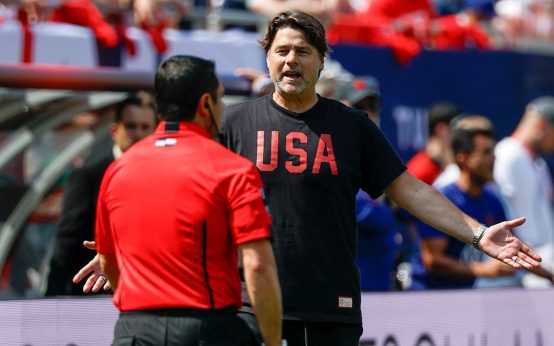 Challenges Facing US Soccer: Insights from Mauricio Pochettino
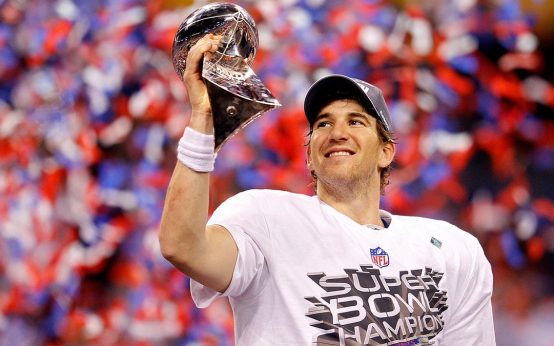 Giants’ Historic 2008 Upset Gets Spotlight in New Netflix Documentary
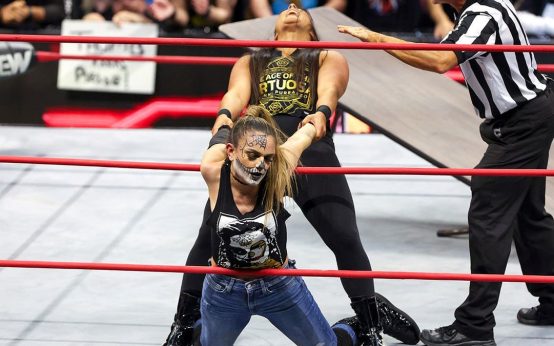 AEW’s Blood and Guts: A Glimpse into the Brutal Spectacle
 Nationals Retain Jacob Young with Four-Year Contract
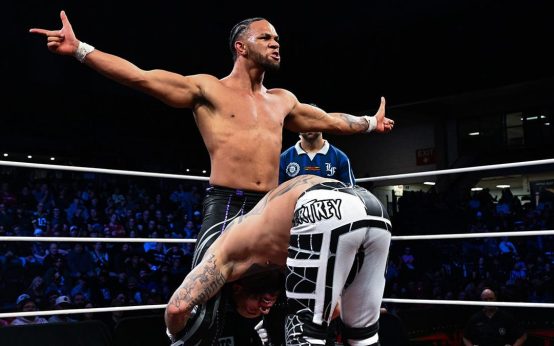 TNA Destination X: A Night of High Stakes and Intense Matches
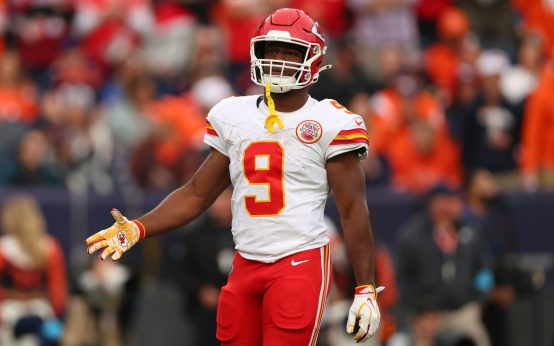 Kenneth Walker’s Injury and Impact on Kansas City Chiefs