
Scary movies create a unique tension by playing with the space between perception and recognition. As your brain works to make sense of what you are seeing, a complex psychological process unfolds. This intricate interaction often captivates and scares audiences at the same time.
Consider the popular horror film, Hereditary, from 2018. In one particularly unsettling scene, the main character named Peter finds himself waking up in a state of confusion. This moment is marked by palpable tension in the audience; a few audible gasps can be heard. As the camera stays focused on Peter, he navigates through his house, eventually reaching the dimly lit living room.
What horror movies do effectively is exploit the gap where viewers’ brains work to connect visual and auditory cues with prior knowledge and experience. The uncertainty and anticipation of the unknown make for an intense experience.
The Conversation, an independent, nonprofit news organization, emphasizes providing factual and analytical insights from researchers and scientists. These insights help audiences navigate complex topics, including how scary films manipulate perception. The psychological aspect of horror films remains a topic of interest for both scientific exploration and casual discussion, contributing to the enduring popularity of the genre.
 Understanding Fear in Scary Movies
 The Science Behind Scary Movies and Viewer Perception
 Roseanne Barr Ventures into New Show After Past Controversies
 Amy Schumer Shares Vacation Highlights and Health Journey Insights
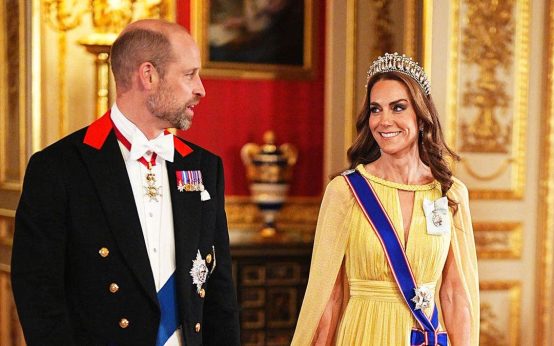 Kate Middleton Shines at State Banquet with Queen Mary’s Lover’s Knot Tiara
 Sasha Alex Sloan: Songwriting and New Album Insights