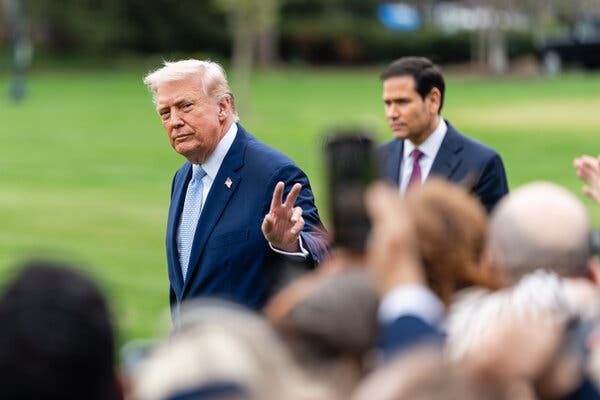
The Trump administration has intensified its pressure campaign against the Cuban government with the recent indictment of Raúl Castro. This move is part of a larger strategy by President Trump to challenge foreign leaders and expand U.S. influence.
On Wednesday, the Justice Department revealed charges against Mr. Castro, Cuba’s former president, and five others. The indictment accuses them of murder and plotting to kill U.S. citizens. This is a continuation of Trump’s policies since returning to office, where he showed interest in foreign territories like Venezuela, Greenland, and the Panama Canal.
Trump’s interest in Cuba is longstanding. Reports indicate that in 2011 and 2012, executives from the Trump Organization explored the possibility of establishing a golf course in Cuba. During his 2016 presidential campaign, Trump recognized Cuba as a potential investment opportunity.
Despite his criticism of Cuba as a “failed nation,” Trump frequently praises its travel appeal, citing its geographic and climatic advantages. In March, he referred to Cuba as a “beautiful island” with excellent weather.
Following the charges against Castro, Trump assured that there would be no further escalation. “There won’t be escalation. I don’t think there needs to be,” he stated, highlighting the current instability in Cuba.
 Maryland First State to Restrict Electronic Pricing in Grocery Stores
  British Police Arrest Man Suspected of Terror Plot
  Activists Push for Nationwide Ban on Child Marriage in the U.S.
 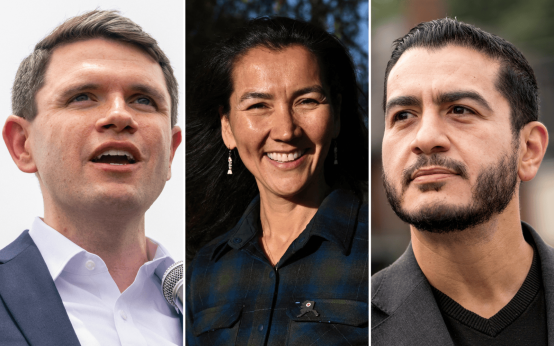 Democratic Hopes and Historical Warnings in 2026 Senate Race
  Republicans Face Challenges Amidst Cost of Living Concerns
 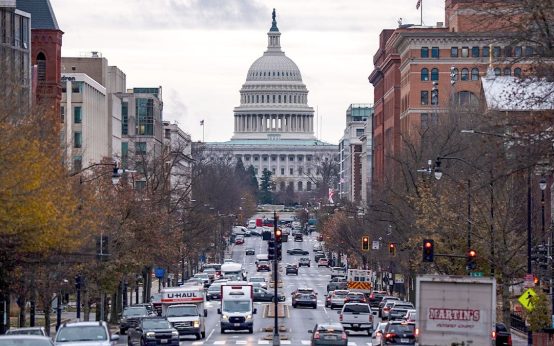 A Different Kind of Fall for Congress This Year