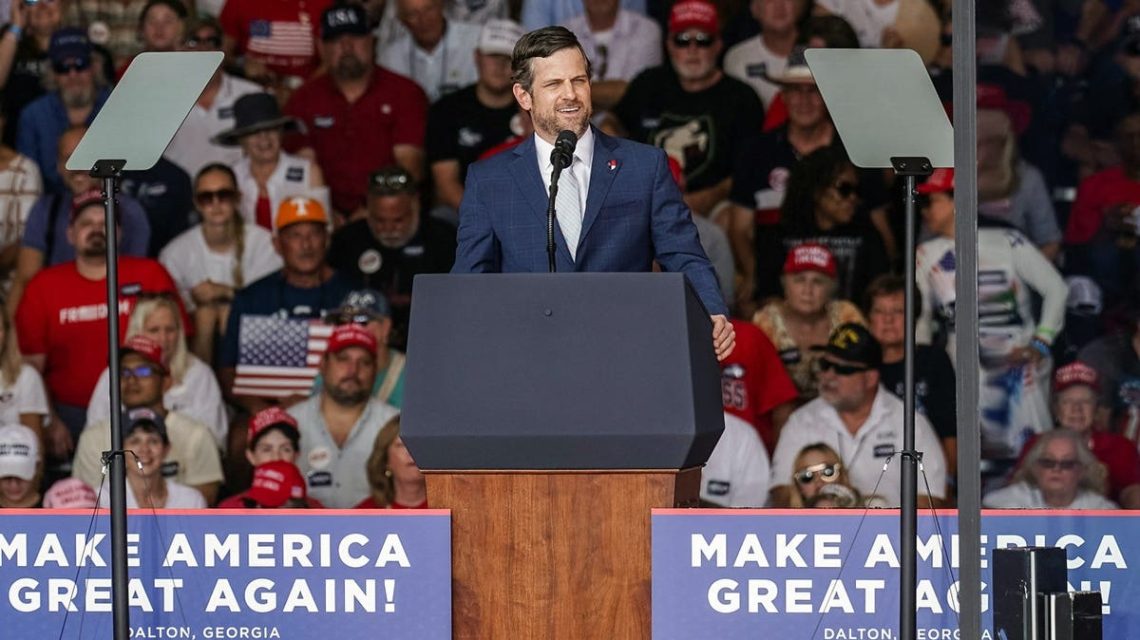
A heated debate has emerged at Georgia’s state Capitol concerning cuts to autism therapy funding for foster children. Republican state Sen. Brian Strickland is leading the charge, together with affected families, to overturn a 30% reduction in reimbursement for applied behavior analysis (ABA) therapy. This reduction, administered by Amerigroup from September 1, poses risks to the progress children have made, advocates warn.
Sen. Strickland, a parent of a child with autism, expressed his disapproval of the cuts. He emphasized the significance of ABA therapy for Georgia’s foster care system and vowed to hold accountable the companies responsible if he is elected as state attorney general.
As a parent of a child with autism, I know what ABA therapy means for a family and Georgia’s foster children, which is why I stood at the Capitol to make clear that these cuts are indefensible,Strickland told Fox News Digital.
Avoiding unintended consequences from the Trump administration’s Medicaid fraud crackdown is crucial, supporters say. The reduction’s impact, according to Taylor Sanders of the Autism Families Alliance, has already started affecting families and clinicians who rely on this support. Sanders voiced concerns about regression in communication and safety skills due to the lack of services.
One case highlighted by Sanders involves a 3-year-old achieving milestones like using words for the first time, with their parent now fearing a lapse in care could undo such progress.
Kelsey Bennett from the Autism Families Alliance said that each day without therapy threatens the gains made and limits further development opportunities. Advocates are pushing for a re-evaluation of the current reimbursement policy and suggest involving families and clinicians in decision-making.
Every day without critical care risks reversing hard-earned progress and limiting opportunities for continued development,Bennett stated.
Amerigroup justified its revised reimbursement rates, which balance service complexity with clinical expertise. While some technician services saw a decrease, rates for licensed practitioners and essential services remain stable.
Sanders argued that the cuts primarily impact technicians who deliver crucial one-on-one therapy. She reiterated concerns about the inability of providers to sustain services at reduced rates, which might force them to stop serving foster children.
She warned, “Progress lost is extremely hard to come back from, which is the biggest concern that we’re facing here.” Sanders urged reconsideration of the cuts and emphasized involving key stakeholders in policy reviews.
Efforts to address Medicaid fraud continue under former President Trump’s administration, contributing to the policy shifts that advocates warn may affect access to therapy for Georgia’s foster children.
Fox News Digital reached out to Amerigroup and the Centers for Medicare & Medicaid Services for further comments.
 The Future of MAHA in American Health Politics
 Insulin Cost Caps Gaining Support Amid Rising Prices
 Efforts to Counter Food Assistance Cutbacks in San Diego
 A Personal Journey Through Encephalitis
 Low-Cost Medication May Benefit Stroke Survivors
 The Complex Debate Over Kratom Use in the U.S.