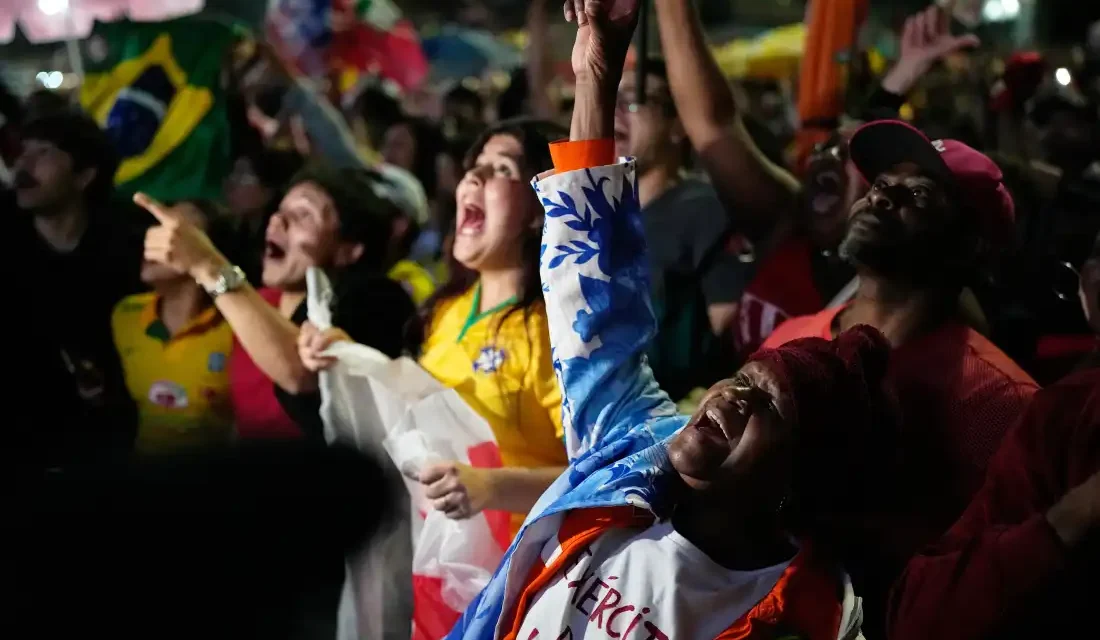
In a surprising turn of events, President Luiz Inácio Lula da Silva has secured his victory in Brazil’s presidential runoff. With over 96% of votes counted, Lula claimed more than 51% of the vote. His opponent, Sen. Flávio Bolsonaro, garnered over 48%.
Lula’s victory marks a comeback against Bolsonaro, who is part of a right-wing political dynasty. This election extended Lula’s career to include three nonconsecutive presidential terms. His opponent had aimed for stronger ties with President Trump.
Challenges at the Polls
The election day faced some hurdles. Lula’s campaign asked for extended voting hours, citing reduced bus service by some local governments, which affected voter turnout. Bolsonaro, too, requested an extension due to heavy rains in certain states. Justice Cristiano Zanin, from the Supreme Court, ordered a two-hour extension. However, the order reached some locations after voting machines were deactivated, disrupting voting. For instance, Manuela Tunas, a 36-year-old accountant, couldn’t vote after late arrival at a Rio de Janeiro polling station. “This is absurd,” Tunas commented, highlighting the unfairness of the situation.
International Attention
This closely-watched election caught the attention of the international community for its impact on Brazil and the broader Latin American political spectrum. It also carried significant implications for the Amazon rainforest and Brazil’s democracy, now around 40 years old.
Flávio Bolsonaro is the son of former President Jair Bolsonaro. The elder Bolsonaro, now serving a 27-year prison sentence for a coup plot in 2022, almost won against Lula in that election. His son had pledged to pardon him.
Campaign Dynamics
Initially, there was little enthusiasm for street campaigning among Brazilians. However, Bolsonaro’s initial lead in the first voting round on Oct. 4 stirred excitement. Supporters from both factions took to the streets and social media to sway voters. Ultimately, Lula’s message of continuity and emphasis on social spending resonated with the people.
Alessandra Miguel, a 35-year-old spa worker from Rocinha, explained, “I think people woke up about the risk of a Bolsonaro government after the first round, and the mobilization made a difference.”
Political Divisions
Lula now leads a highly polarized nation. Jairo Nicolau, a Brazilian political scientist who specializes in presidential elections, noted the strong political allegiances this year. He observed that people’s affiliation with their political ‘tribes’ was more significant than their opinions on policies.
This story remains under development and will be updated as more information becomes available.
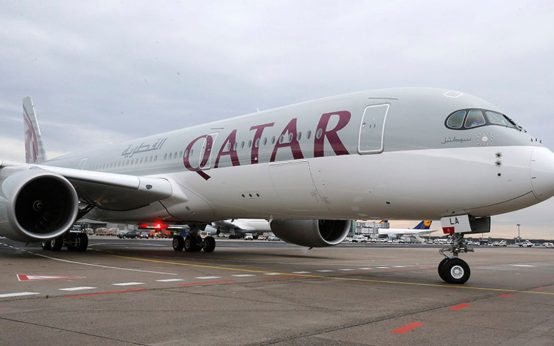 In-Flight Altercation on Qatar Airways Leads to Police and FBI Response
 Virginia Residents Sue Over Alleged Immigration Violations
 Updates on Key International and Domestic Events
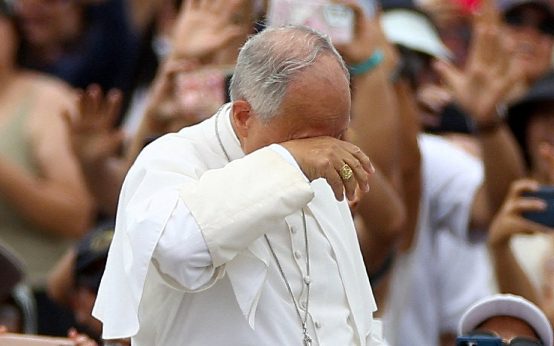 Pope Leo XIV Completes South American Tour with Farewell Mass in Peru
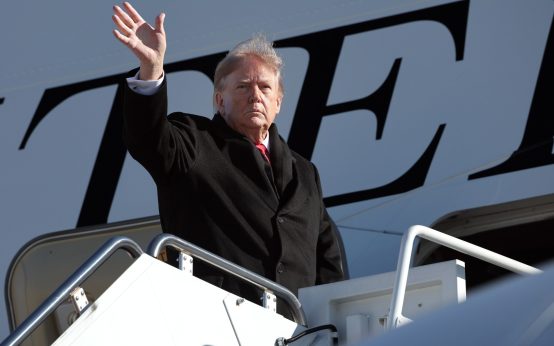 President Trump’s Critical Asia Trip: Key Meetings and Implications
 U.S. Plans to Restrict AI Chip Exports Before Trump-Xi Meeting