
Online sports betting companies face increasing scrutiny over their treatment of both losing and winning customers. Concerns center on the extravagant perks offered to frequent losers and how winning gamblers are handled. State lawmakers question the industry’s ‘limiting’ practice, used to restrict successful bettors.
Sports Betting Industry Practices
Brianne Doura-Schawohl, from the Campaign for Fairer Gambling, argues that the industry’s practices are unfair, especially with the pervasive advertising suggesting everyone can win. Meanwhile, U.S. lawmakers express worries about how perks, such as exclusive events and celebrity interactions, distract bettors from financial losses.
Conversely, big winners often face restrictions. Sports gambling platforms sometimes cap bets for successful gamblers, making it hard for them to continue winning.
We follow the industry practice of restricting and managing betting limits at the individual customer level based on individual customer profiles and risk level to the enterprise.— DraftKings explained in a 2023 filing.
Effect on Professional Bettors
When Massachusetts legalized sports betting, professional bettor Mike Manning encountered these restrictions. Initially successful, platforms soon limited his bets, significantly reducing the amounts he could wager. This raised alarms within the Massachusetts Gaming Commission, highlighting a trend where winners have their limits decreased while losers experience increased betting thresholds.
Another professional bettor, Gadoon Kyrollos, noted the ‘ban or bankrupt’ model, indicating how winning bettors face limitations. According to Manning, this approach exploits losing bettors while severely restricting successful ones.
Legal and Regulatory Aspects
Attorney Matthew Litt states that the practice is legal as long as companies do not discriminate based on protected characteristics like race or religion. Massachusetts has taken steps to ensure transparency by requiring companies to inform customers when and why their accounts are limited.
For instance, FanDuel and DraftKings provided reasons for restricting Manning’s account, citing internal risk management and overall wagering patterns.
The Case of Chris Swett
Former attorney Chris Swett provides an example of how the system can drive individuals into financial ruin. Swett turned to gambling through FanDuel, eventually stealing millions from his employer to fund his habit. Despite facing severe legal consequences, he reflects on how the system incentivized his excessive betting.
FanDuel has since implemented changes to promote responsible gambling. Customers now have access to tools that help manage their gambling habits, and additional employee training aims to tackle problem gambling.
Support for Problem Gamblers
For those affected by gambling problems, the National Problem Gambling Helpline and Gamblers Anonymous offer support and resources.
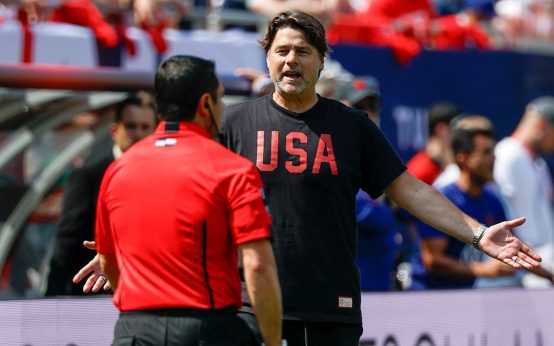 Challenges Facing US Soccer: Insights from Mauricio Pochettino
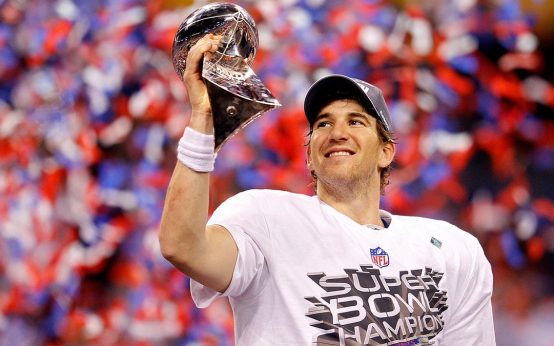 Giants’ Historic 2008 Upset Gets Spotlight in New Netflix Documentary
 AEW’s Blood and Guts: A Glimpse into the Brutal Spectacle
 Nationals Retain Jacob Young with Four-Year Contract
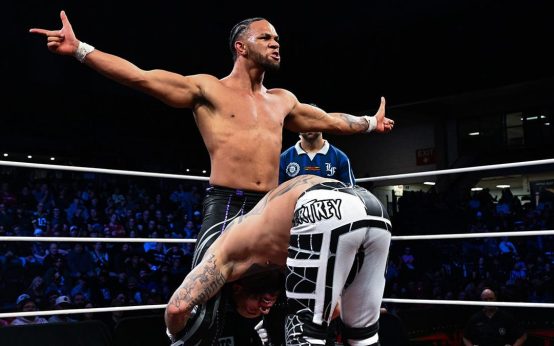 TNA Destination X: A Night of High Stakes and Intense Matches
 Kenneth Walker’s Injury and Impact on Kansas City Chiefs