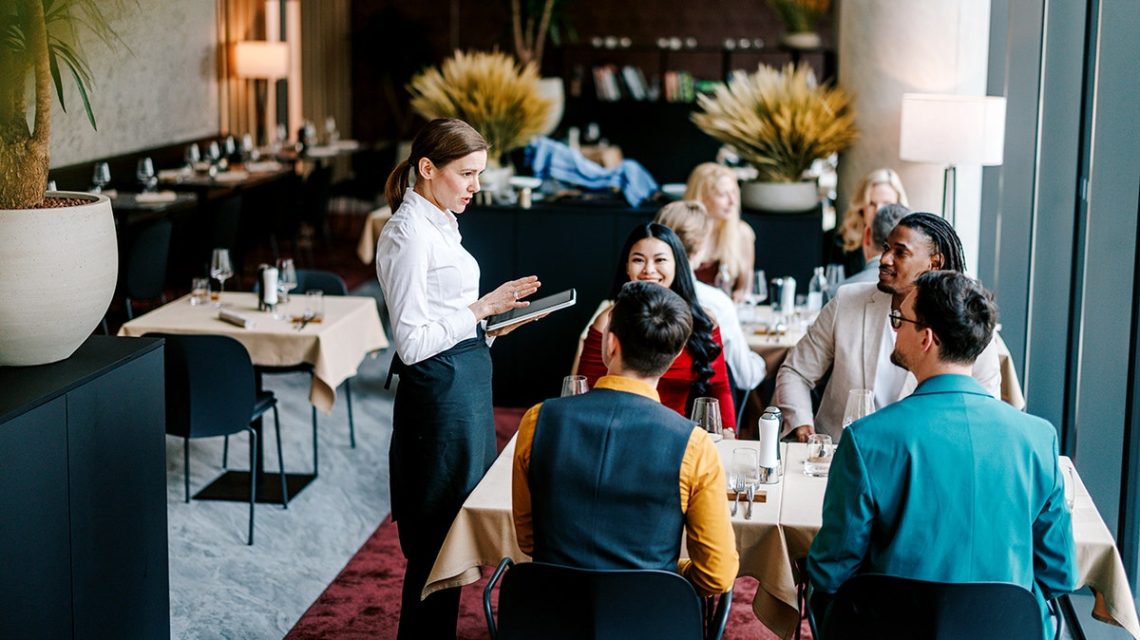
Substitutions in restaurant orders have become common, but some chefs and owners are now opposing these changes. They argue that requests can disrupt kitchen operations and detract from the dining experience.
Impact on Restaurant Operations
Excessive modification requests are creating challenges, according to industry experts. Restaurants are designed to run efficiently, and constant changes to orders can complicate this process. Veteran industry figures Robert Mahon and etiquette expert Diane Gottsman noted that while reasonable substitutions are acceptable, excessive requests can strain restaurant staff and affect the overall dining experience.
“Excessive requests to modify restaurant orders can create challenges for the staff and impact your overall dining experience,” experts told Fox News Digital.
For example, Lom Wong, a Thai restaurant in Phoenix, reacted against growing requests for modifications after being recognized in the 2026 Michelin Guide Southwest. They posted on Instagram, describing their service style and explaining their stance on substitutions.
Restaurant Policies
Lom Wong’s Instagram post asserted that they serve “village Thai food” with dishes that may not follow traditional European coursing. They emphasized that their dishes come out when ready and requested guests not to expect changes that would conform to others’ ideas of an award-winning restaurant. They also highlighted that their recipes have cultural significance and are not to be altered for familiarity.
This stance received support, with some individuals praising the restaurant for maintaining its principles. However, others expressed that certain practices, like serving dessert before a meal, might be less appealing.
Flavor Integrity and Service Feasibility
Chefs and restaurant owners argue that excessive substitutions can distort the intended flavors of a dish. Mahon, who is the director of operations for Mahon Hospitality Group, explained that chefs design dishes to offer a medley of flavors meant to be experienced together. Modifications can disrupt this balance.
He also mentioned that accommodating every substitution while operating at full capacity might not always be feasible. While allergies and dietary restrictions are addressed seriously, unnecessary changes can prolong wait times, particularly if multiple changes are required for each table.
Dining Etiquette Considerations
The conversation extends into dining etiquette. Diane Gottsman points out that excessive requests to alter dishes can come across as entitlement. Removing small items like tomatoes is simple, but completely changing a dish raises concerns.
If it’s on their menu, it means that they think that it’s important.
When facing dietary restrictions, Gottsman advises asking politely and ensuring requests don’t overburden staff or chefs.
Sadie Chafe provided insights on lifestyle trends for Fox News Digital.
 Quince’s New Bag Rivals $3,400 Celebrity Version at Fraction of the Cost
 Celebrities Embrace Trench Coats for Winter Style
 Managing Holiday Stress and Enjoying Affordable Wines
 Top Food and Drink Innovations for Holiday Gifts
 Cuffed Jeans: A Trend Embraced by Celebrities
 Two-Story Tiny Home with Modern Features Available on Amazon