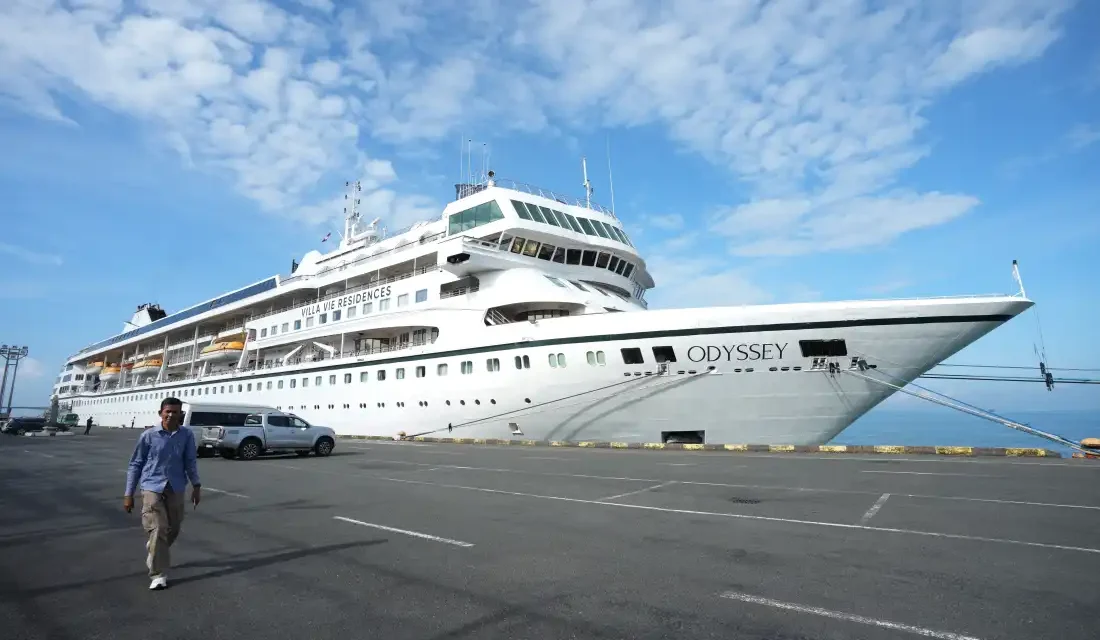
The MV Odyssey, a U.S. cruise ship on a global voyage, has paused its journey at the Sihanoukville Autonomous Port in southern Cambodia. The ship, designed for long-term living at sea with a capacity for 650 passengers, has been affected by escalating fuel expenses. Originally marketed as an around-the-world travel experience, the Odyssey has become stationary due to financial strains.
Embarking two years ago, the ship offered an opportunity to live at sea, with cabin prices starting at $230,000 for lifetime occupancy. At present, the ship carries 203 passengers, primarily Americans, and 156 crew members, as stated by Cambodian authorities.
The operator, Florida-based Villa Vie Residences, reported a surge in monthly fuel costs per cabin, increasing from an average of $1,800 to between $6,000 and $8,000, driven by the conflict in Iran. The company attempted to mitigate costs by slowing its itinerary and spending longer periods in port, but the rising fuel prices were insurmountable. These increases were attributed to restricted traffic through the Strait of Hormuz, which has tightened supply and raised prices for petroleum-based fuels in Southeast Asia.
In a company statement issued Tuesday, Villa Vie Residences acknowledged the operating losses and said that passing the cost increases on to residents was unfeasible. Their immediate goal is to assist residents and crew during this challenging time while exploring restructuring options. They committed to coordinating disembarkations and securing temporary accommodations for passengers.
Despite this, passengers like Paul and Lynn Montoya, from Wyoming, expressed frustration over the sudden disembarkation notice and lack of support. The Montoyas, who had embarked from Panama 17 months ago, were excited about the idea of residential cruising but criticized the shipowner’s mismanagement. Paul mentioned operational struggles prior to the fuel cost issues, including frequent itinerary changes and declining onboard services.
Lynn highlighted the financial pressure to cover fuel and additional costs, noting unpaid wages for crew members. She described being repeatedly asked for additional funds as untenable, driving dissatisfaction among passengers.
We were tired of every two to four weeks being asked for money for fuel, money for everything,
Lynn shared.
Their sentiment reflected growing discontent with the handling of the cruise.
For some passengers, like siblings Carol Larson and Crystal Lavering from California, the unique experience of living at sea was the highlight of the journey, despite the financial upheaval. Larson purchased her cabin for $120,000 in installments and stressed the value of her adventure, even under uncertain circumstances.
Both Larson and Lavering expressed hope that residents might collectively purchase the ship to revive the cruise. Lavering noted an improvement in her health while aboard, finding the experience enriching even if interrupted.
Since its inception, the Odyssey faced various challenges. Built in 1993, the ship was repurposed in Northern Ireland and launched its current journey in October 2024. Plans for a second voyage in 2030 were suspended amidst the ongoing difficulties. The ship’s previous history included being becalmed during the coronavirus pandemic.
Notably, Sihanoukville has been a refuge for crisis-hit ships before. In February 2020, the MS Westerdam docked in Cambodia after being denied entry at several ports due to COVID-19 concerns. Cambodia’s then-Prime Minister Hun Sen permitted docking as a humanitarian gesture, praising the nation’s welcome toward stranded passengers.
 Norwegian Cruise Line Adjusts Itineraries Based on Guest Feedback
 Navigating Refunds After FAA Ground Stops
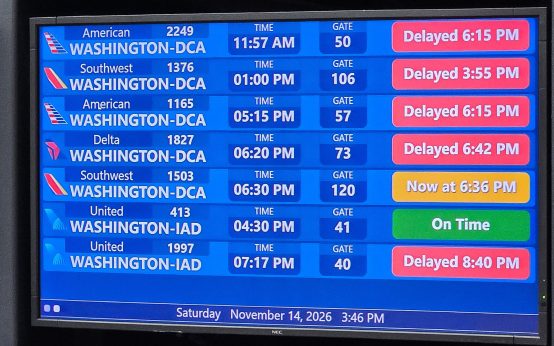 US Air Travel Disruptions Persist; Plans for Upgrades Underway
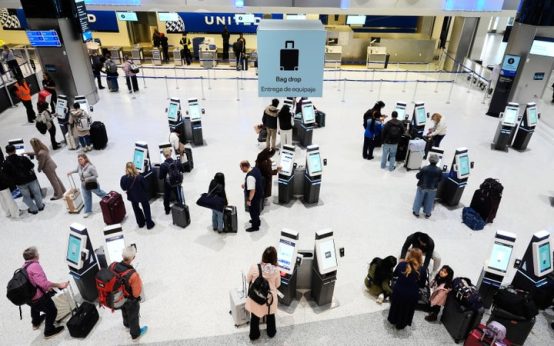 Thanksgiving Travel Trends and Challenges
 3 Pre-Holiday Organizing Projects
 Nationwide FAA Ground Stop Affects U.S. Flights and College Football Travel