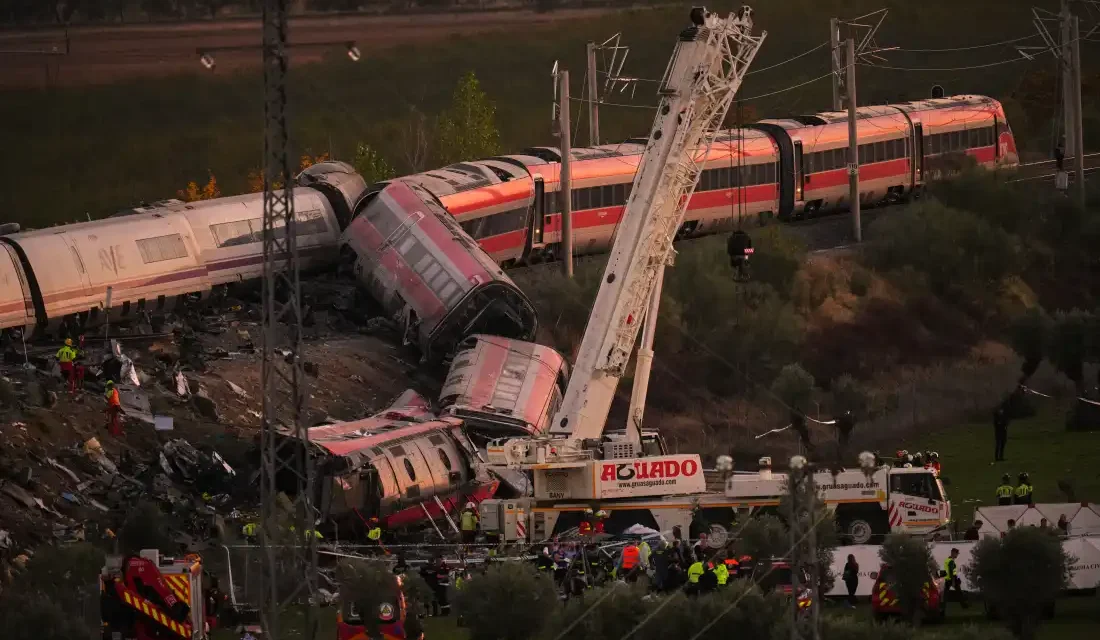
Emergency services were at the scene of a tragic train collision in Urda, Spain, on Wednesday, October 28, 2026. This marks Spain’s second high-speed rail disaster this year, with a train striking another from behind, leading to the deaths of 68 people. The incident has sparked fresh concerns over the safety of Spain’s rail network.
Spain’s high-speed rail system, considered one of the nation’s major achievements, ranks second in track mileage globally, following China. Prior to this year, it had an impeccable safety record with no deadly crashes over its three-decade history. However, the recent collision near olive groves in Toledo has cast a shadow over its safety just weeks before a national election.
Spanish Prime Minister Pedro Sánchez visited the crash site after regional authorities confirmed the tragedy’s toll. This follows an earlier incident in January, where 46 individuals died in a similar crash in southern Spain.
Government’s Response and Investigation
In response to the disaster, Sánchez has pledged a thorough investigation and promised improvements to avoid similar future tragedies. Last year, 45 million travelers, including millions of tourists, used the rail system. Sánchez stated, “We need to reinforce the safety of our train service to rebuild trust in our high-speed rail.” The government has declared three days of mourning.
Both recent crashes involved a train from the state-owned RENFE company and one from the privately-owned IRYO, which entered the market after Spain liberalized its high-speed rail service in 2021.
Political Ramifications for Sánchez
The disaster has political implications for Sánchez, who faces an election after numerous crises since taking office in 2018. Polls suggest he faces challenges from his conservative rivals. The tragedy may also impact his Socialist party, which was banking on addressing public discontent over housing costs.
Sánchez received criticism over his response to attacks on his migration policies and accusations of corruption. He expressed optimism about Spain’s future before news of the crash. His transport minister, Óscar Puente, has faced calls to resign, but remains committed to resolving the incident.
The conservative Popular Party leader Alberto Núñez Feijóo has demanded a detailed investigation, while far-right Vox leader Santiago Abascal has criticized the government harshly, demanding accountability.
Cause of the Collision
Transport Minister Óscar Puente identified human error as the cause. An “inexplicable” order from a central command center led to the collision after a security system failure. The trains stopped initially but were ordered to move again without speed restrictions, causing the RENFE train to crash into the stationary IRYO train.
Efforts to clear the wreckage involved emergency workers, firefighters, police, and military personnel working tirelessly to rescue survivors and recover bodies.
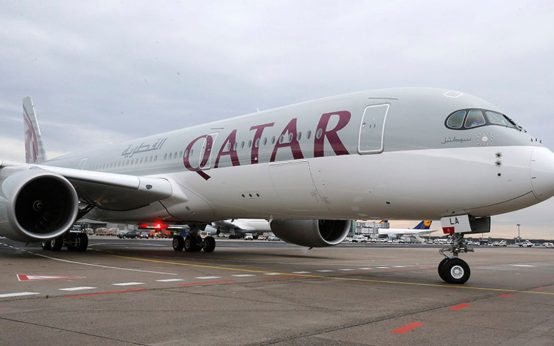 In-Flight Altercation on Qatar Airways Leads to Police and FBI Response
 Virginia Residents Sue Over Alleged Immigration Violations
 Updates on Key International and Domestic Events
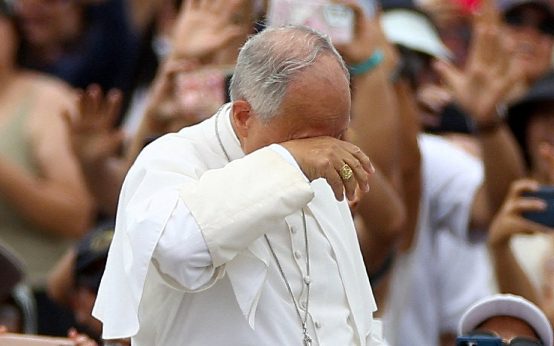 Pope Leo XIV Completes South American Tour with Farewell Mass in Peru
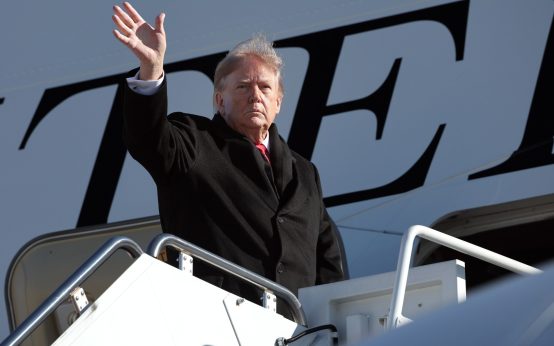 President Trump’s Critical Asia Trip: Key Meetings and Implications
 U.S. Plans to Restrict AI Chip Exports Before Trump-Xi Meeting