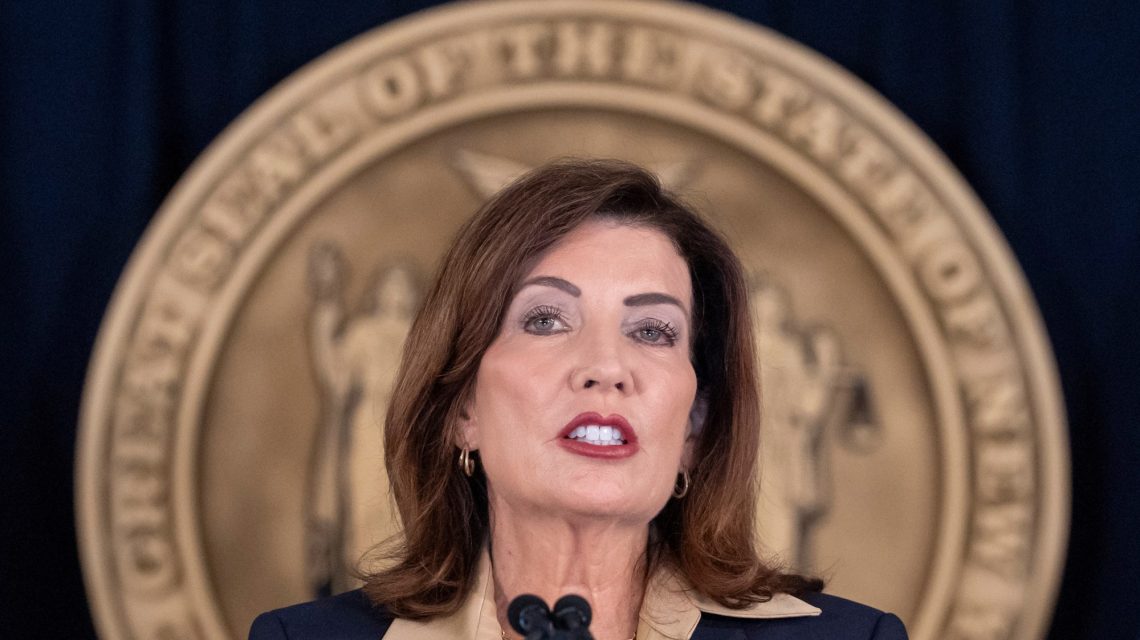
Governor Kathy Hochul of New York announced new legislation aimed at regulating the behavior of companion chatbots, particularly those interacting with minors. This move comes as states increasingly seek to protect children from potential risks associated with artificial intelligence, curb employer misuse of AI, and push developers to prevent AI-related catastrophes.
The legislation was signed on Wednesday and outlines specific definitions of what constitutes ‘unsafe AI companion features’ when a chatbot engages with users under 18. Violators may face lawsuits from the state attorney general’s office, along with penalties like monetary damages, shutdown of the chatbots, or destruction of data. The law is set to take effect on January 1.
Governor Hochul, amid her reelection campaign, emphasized the urgency for action due to growing warnings about AI’s rapid development posing existential risks. With Congress slow to regulate AI, state initiatives aim to make AI utilization more transparent. New York and California are leading these efforts, extending regulations to also cover social media platforms.
Last month, California’s Governor Gavin Newsom enacted a law requiring chatbot developers to assess and mitigate risks to children. Developers must provide a demonstration of these efforts and undergo independent audits. Additionally, a law now prohibits social media from incorporating addictive features for users under 16 in California.
Recently, eight states sued OpenAI, accusing the company of breaching state consumer protection laws by harming children and misleading adults. Governors acknowledge the federal government holds greater power to regulate AI threats. However, President Donald Trump has expressed skepticism over AI regulations and cautioned states against imposing them.
The New York law prohibits chatbots from presenting themselves as real individuals with emotions, expressing opinions, or establishing relationships with children under 18. It also bans chatbot communication involving flattery, explicit content, or encouragement of secrecy and unhealthy behaviors. Jim Steyer, CEO of Common Sense Media, hailed the law as the strongest AI safety measure for children in the nation.
Justine Gluck, from the Future of Privacy Forum, noted that the distinct strategies taken by California and New York could influence other states. New York’s law represents a shift from merely requiring basic disclosures to regulating chatbot design and operation. Nonetheless, Gluck pointed out some categories in the law are vaguely defined, which may lead to challenges in enforcement.
 The Daily Routine of Klook’s CEO Focused on Fitness and Efficiency
 The Jensen Huang Controversy: Silicon Valley’s Divided Opinion
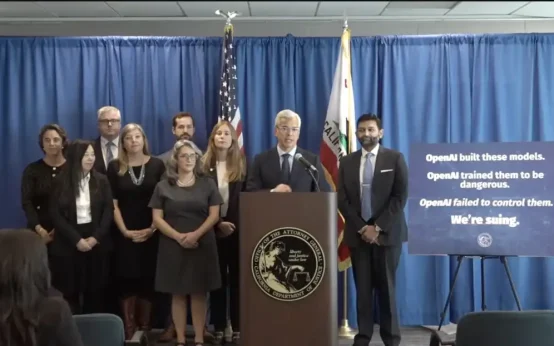 California Lawsuit Against OpenAI: Key Details and Implications
 Updates on Key International and Domestic Events
 E.l.f. Cosmetics Breaks Makeup World Record at TwitchCon
 Understanding Credit Freeze, Fraud Alert, and Identity Monitoring