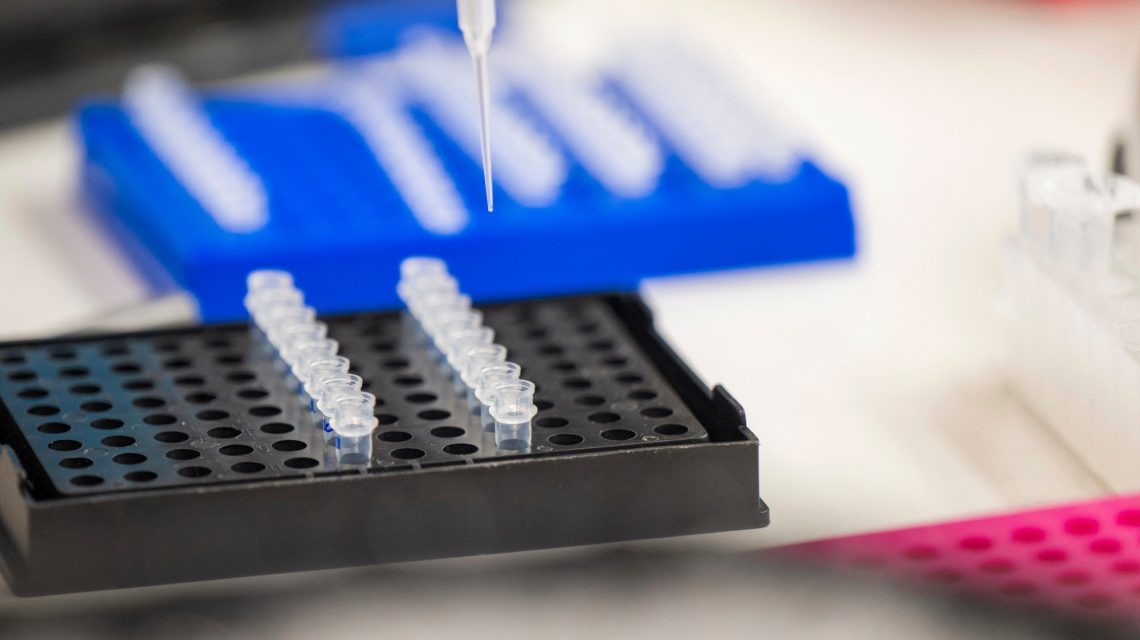
The Trump administration announced a halt on shipments from the Chinese biotech company BGI Group and its affiliates. The U.S. alleges these companies have connections to forced labor practices in Xinjiang, a region in China known for its ethnic tensions.
Starting Thursday, the U.S. Customs and Border Protection will block goods from BGI Group, a significant player in genetic sequencing. This includes BGI Genomics and MGI Tech. The Department of Homeland Security (DHS) stated that these companies are either sourcing from Xinjiang or collaborating with regional authorities to exploit forced labor from ethnic groups like the Uyghurs.
The inclusion of these companies on a trade blacklist highlights growing technological and economic tensions between the U.S. and China. Last week, the Treasury Department proposed new hurdles for U.S. investments in biotechnology and related fields in countries like China.
China responded by denying the forced labor allegations, labeling the U.S. actions as “political manipulation.” The Chinese Ministry of Commerce criticized the U.S., claiming these measures thwart mutual economic relations and violate humanitarianism.
Bilateral talks are expected shortly, with a potential meeting between Chinese leader Xi Jinping and U.S. President Donald Trump in Shenzhen, China, where BGI is located. This meeting may be resumed in Florida at the G20 summit.
BGI Group denied the forced labor allegations, asserting its opposition to such practices. The DHS reported that BGI Group controls both BGI Genomics and MGI Tech, citing the Pentagon’s designation of these firms as military companies linked to China.
The new trade restrictions are part of the Uyghur Forced Labor Prevention Act, passed in late 2021 during President Joe Biden’s term. This action follows lasting concerns from U.S. policymakers regarding BGI’s potential national security risks. These worries stem from alleged governmental ties and access to vast genetic databases.
Homeland Security Secretary Markwayne Mullin pledged to protect American workers from unethical competition by foreign firms utilizing “slave labor.” The U.S. expanded its blacklist under this act to encompass additional Chinese firms, now totaling 187 entities.
 In-Flight Altercation on Qatar Airways Leads to Police and FBI Response
 Mayor Mamdani’s Policing Reform Plans
 Virginia Residents Sue Over Alleged Immigration Violations
 Gen Z Voter Shifts and Their Impact on the 2026 Midterm Elections
 Disappearance of US Senate Candidate Raises Questions
 DOJ Rule Change Reduces Appeal Time for Immigrants Facing Deportation