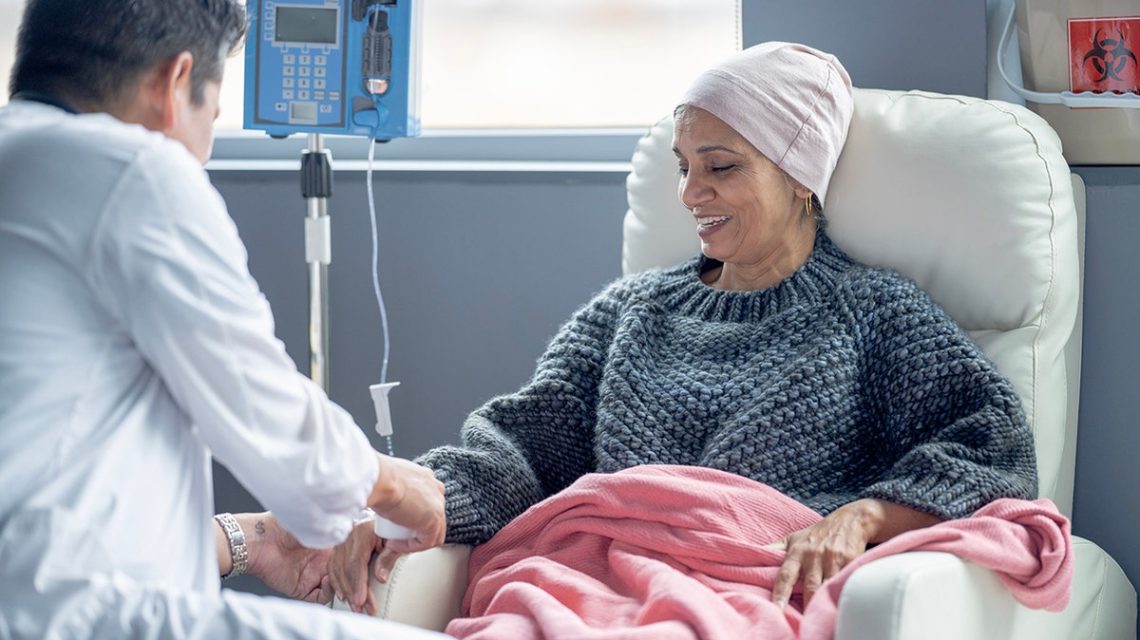
Recent research offers hope for patients with advanced breast cancer. Scientists are investigating the efficacy of trastuzumab rezetecan for ERBB2-low metastatic breast cancer. This specific type of cancer presents low levels of HER2, a protein that promotes cancer growth.
Clinical Trial Insights
The HORIZON-Breast06 trial aimed to compare the effectiveness of trastuzumab rezetecan with standard chemotherapy. The trial involved 551 female participants from 73 hospitals in China. Between June 2023 and August 2025, researchers randomly assigned participants to receive either the drug every three weeks or the physician’s choice of chemotherapy.
The outcomes showed significant results. The median time without tumor growth for those who took the drug was 16.4 months. In comparison, chemotherapy patients experienced 6.8 months free from tumor growth.
Key Findings
Patients treated with trastuzumab rezetecan were 73% less likely to experience cancer worsening or death during the study than those on chemotherapy. Tumor reduction was observed in 75.5% of the drug group compared to 41.2% in the chemotherapy group. After 12 months, survival rates were 90.6% for the drug group versus 81.4% for those on chemotherapy.
Research Conclusions
Published in JAMA, the study highlighted the drug’s benefits for both hormone receptor-positive and negative breast cancer. The authors concluded that trastuzumab rezetecan offers substantial progression-free survival advantages over chemotherapy for patients with ERBB2-low advanced breast cancer.
Loren Rourke, a breast surgical oncologist from Texas, found the results promising. Although she did not participate in the research, she noted the potential for improved life quality by delaying cancer progression.
Side Effects and Considerations
Significant side effects, such as anemia and blood-related issues, were more common in the drug group. Serious side effects affected over 84% of these patients, although they remained manageable with dose adjustments.
Rourke stressed the importance of understanding potential side effects. The decrease in blood counts raises concerns about fatigue and infection risks. Addressing these side effects will be crucial for patient quality of life.
Future Research Needs
While these findings provide hope, additional questions remain. Rourke emphasized the need to investigate whether this treatment increases overall patient survival. The progression delay is significant, but extending patients’ lives remains the ultimate goal.
Researchers continue to ask vital questions to ensure future advancements. Substantial progress is worth celebrating, yet understanding the broader implications of such treatments is paramount.
 The Future of MAHA in American Health Politics
 Insulin Cost Caps Gaining Support Amid Rising Prices
 Efforts to Counter Food Assistance Cutbacks in San Diego
 A Personal Journey Through Encephalitis
 Low-Cost Medication May Benefit Stroke Survivors
 The Complex Debate Over Kratom Use in the U.S.