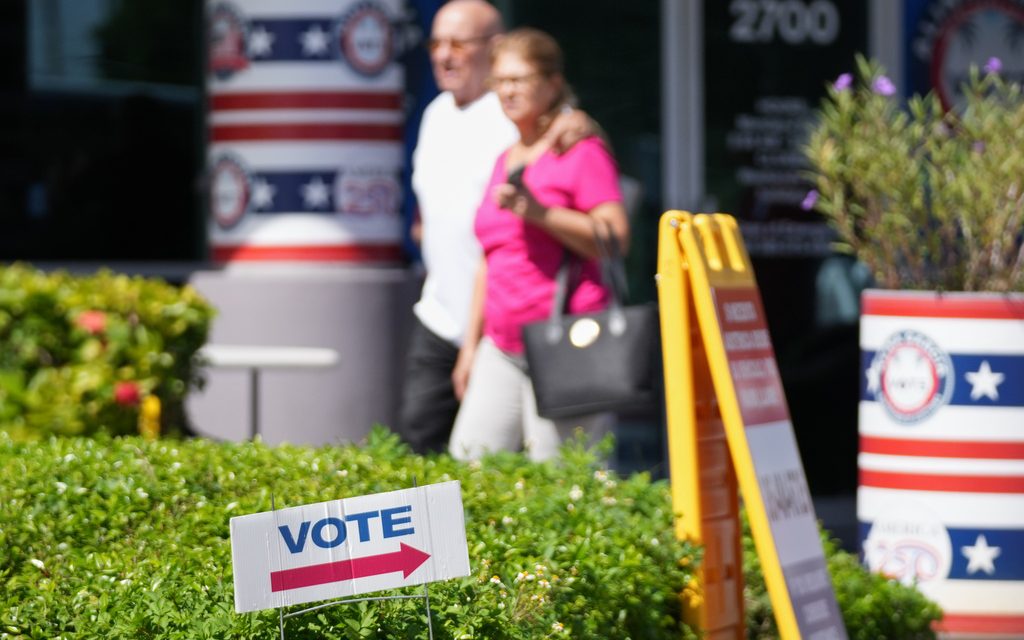
As early voting for the 2026 midterm elections commenced in Doral, Florida, the emphasis on polling averages became evident. The availability of continuous updates and prediction-market odds provides a clearer picture of candidate standings. However, this often overshadows the essence of the campaigns themselves.
Analyzing the Maine Senate race reveals nuances that polling averages may bypass. Despite President Trump’s unpopularity among certain Maine voters, a significant portion still supports Republican incumbent Senator Susan Collins. This scenario exemplifies how close races can hinge on factors beyond mere statistics.
The New York Times/Portland Press Herald/Siena poll highlighted Collins’s slight lead over Democrat Troy Jackson, yet it stayed within the margin of error. The division among Collins supporters brought to light that many disapprove of Trump but still favor Collins for perceived effectiveness and worries about Jackson’s political stance.
Discussion surrounding voter intent shouldn’t halt at polling margins. The intricate relationship between voter attitudes and their reasons for support demands a deeper inquiry. Often, anecdotes and narrative spins dominate post-election debates rather than data-driven analysis.
The discourse on data centers exemplifies this pattern. Multiple polls, including those by Gallup and Fox News, revealed national opposition to local data center establishment due to concerns over increased energy costs. These findings offer aspiring candidates an opportunity to advocate against local data center construction with the support of constituents.
Polling data should guide not just outcomes but the conversation around voter preferences and mandates. Exploring these datasets and their implications can transform campaign strategies and public discourse.
The integration of AI in analyzing polls can streamline the convergence of findings yet risks errors in data interpretation. Precise disclosure from pollsters and cautious newsroom judgment remain vital to maintain accuracy.
Ultimately, evaluating public tables and exploiting AI’s capabilities can propel understanding past surface-level averages. Jon Cohen, the initiator of TrueDot, underscores this need for thorough probing to truly comprehend voter behavior.
 Mayor Mamdani’s Policing Reform Plans
 Gen Z Voter Shifts and Their Impact on the 2026 Midterm Elections
 Disappearance of US Senate Candidate Raises Questions
 DOJ Rule Change Reduces Appeal Time for Immigrants Facing Deportation
 Hakeem Jeffries’ Bid for House Speaker Faces Progressive Hurdles
 Ohio Judge Dismisses Defamation Lawsuit by Rep. Max Miller