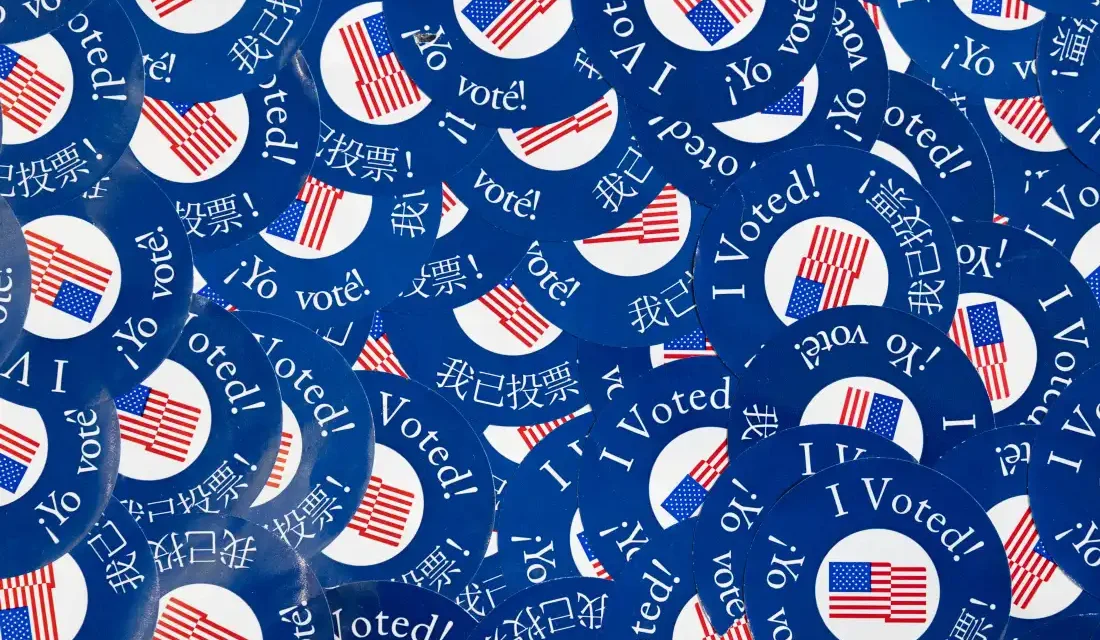
Voting stickers are set at Contra Costa County’s election operations facility, marking the anticipation and anxiety surrounding Tuesday’s midterm elections. Millions of Americans are watching closely, feeling a mix of emotions about the potential outcomes. Many expect political confidence and security to be challenged in the upcoming days and weeks.
Concerns Among Trump’s Base
Increased anxiety about the midterms is evident among President Trump’s most loyal supporters, referred to as MAGA. Polls suggest the midterm electoral swing could again move against the current White House incumbent, aligning with historical trends over the last century. Republicans might face significant losses, especially in swing states and some traditionally red states won by Trump.
President Trump has been strategically campaigning to minimize GOP losses. His itinerary included visits to Iowa and Kansas, focusing heavily on retaining Senate control. Trump aimed to reinforce support in counties he previously won from Barack Obama, reflecting his intent to rally his base and stem potential electoral setbacks.
The Role of Trump in Elections
Midterm elections often serve as referenda on sitting presidents. Trump’s approach diverges from conventional methods, aiming to make the election a reflection of himself. Previous midterms highlighted presidents campaigning for party candidates, but Trump took personalization to new heights, focusing on self-promotion.
His expansive role portrayal resonated with MAGA supporters, but the broader electorate remains skeptical. Critics emphasize unmet promises, particularly in foreign policy areas like Ukraine and the Middle East, and economic initiatives where anticipated inflation reduction hasn’t occurred, impacting Trump’s approval ratings.
Democratic Readiness and Challenges
Democrats exhibit cautious optimism, preparing for potential congressional control. However, any majority they gain in the House or Senate is expected to be modest. Internal party divisions persist, challenging unified governance. Key divides include majoritarian consensus seekers and progressive firebrands, linked to Democratic Socialists.
Despite ideological differences, Democrats find common ground on issues like energy, cost of living, and international conflicts. Their unified opposition to Trump strengthens their message. However, doubts linger over the party’s ability to maintain cohesion if regaining governmental power.
The Integrity of U.S. Elections
Beyond party dynamics, there’s growing scrutiny over election integrity in the U.S. Historically, Americans have trusted electoral processes, but that confidence faces challenges. The need for faith in democratic systems is crucial for functionality. Critically, Trump’s questioning of election validity without evidence poses a threat to this trust.
Experts continue defending the American electoral framework, citing legislation and technological advancements that enhance process integrity. Still, potential testing of this faith looms, driven by assertions of default fraud narratives, as seen in past claims by Trump during his campaigns.
Looking Forward
The current political climate suggests tension on election night and beyond. The integrity and outcome of elections will hold significant implications for the future, with Trump consistently casting doubt on the process. Observers remain vigilant, monitoring potential repercussions on the democratic fabric.
 Mayor Mamdani’s Policing Reform Plans
 Gen Z Voter Shifts and Their Impact on the 2026 Midterm Elections
 Disappearance of US Senate Candidate Raises Questions
 DOJ Rule Change Reduces Appeal Time for Immigrants Facing Deportation
 Hakeem Jeffries’ Bid for House Speaker Faces Progressive Hurdles
 Ohio Judge Dismisses Defamation Lawsuit by Rep. Max Miller