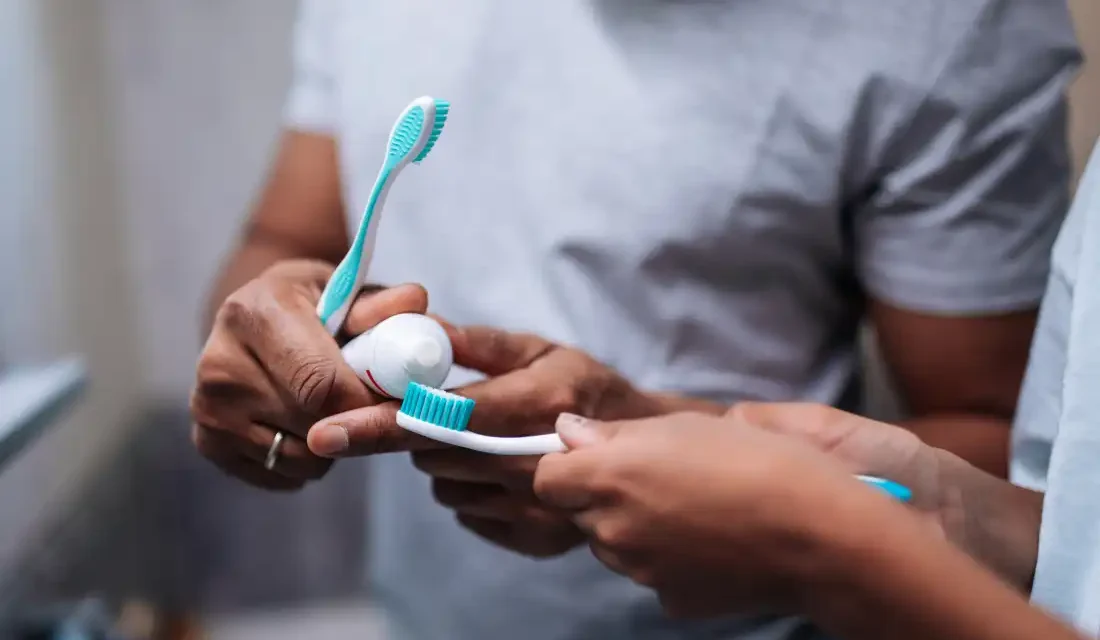
Hydroxyapatite toothpaste offers a fluoride-free alternative that some studies back for its effectiveness. Increasingly, people are exploring fluoride-free options, with many patients and even students showing interest, says Dr. Jin-Ho Phark, an associate professor at the Herman Ostrow School of Dentistry of USC. Social media influencers heavily promote these products, which might explain the growing curiosity.
Fluoride toothpaste became popular in the late 1950s, supported by Procter & Gamble’s national release of Crest. Over time, fluoride became a key ingredient in protecting teeth from cavities. According to the CDC, adding fluoride to drinking water helps reduce cavities by 25%, marking it as a significant public health achievement.
Dr. Livia Tenuta, University of Michigan, notes that oral health links to overall health, impacting systems like the heart and digestion.
Many look at hydroxyapatite for benefits like cavity protection and whitening without fluoride. Despite fluoride’s benefits, some express caution due to historical skepticism. Notably, Robert F. Kennedy Jr. attributes several health issues to water fluoridation, but studies primarily explore high fluoride levels, not standard safe amounts.
Understanding Hydroxyapatite
Hydroxyapatite attracts attention partly due to its composition, closely resembling tooth enamel. It could help with sensitivity because tooth enamel is primarily calcium and phosphate, crucial for protecting your teeth from damage. Sugars and plaque can erode enamel, setting the stage for decay and cavities.
Fluoride toothpaste aids by ‘remineralizing’ teeth with calcium and phosphate. It’s effective when present in saliva and plaque, reinforcing those minerals to protect enamel.
Hydroxyapatite operates differently. Products, especially nano-hydroxyapatite, penetrate enamel’s tiny crevices more easily. Yet, research is not as extensive as with fluoride.
The Evidence and Expert Opinions
Dr. Bennett Amaechi, researching hydroxyapatite, notes preliminary studies show positive results akin to fluoride. A 2021 study revealed similar outcomes between hydroxyapatite and fluoride toothpastes in children. A subsequent study on adults found comparable results, though most participants were healthy and low-risk for cavities. Longer-term studies on high-risk individuals are needed for comprehensive evidence.
Hydroxyapatite toothpastes often cost more than fluoride versions, a factor to consider. Amaechi and Tenuta recommend fluoride toothpaste due to its extensive supporting evidence. The American Dental Association acknowledges the rise of hydroxyapatite but advises brushing twice a day with fluoride toothpaste for proven efficacy.
For the best oral health, combine brushing with regular dental visits and daily flossing, as recommended by dental professionals.
 The Future of MAHA in American Health Politics
 Insulin Cost Caps Gaining Support Amid Rising Prices
 Efforts to Counter Food Assistance Cutbacks in San Diego
 A Personal Journey Through Encephalitis
 Low-Cost Medication May Benefit Stroke Survivors
 The Complex Debate Over Kratom Use in the U.S.