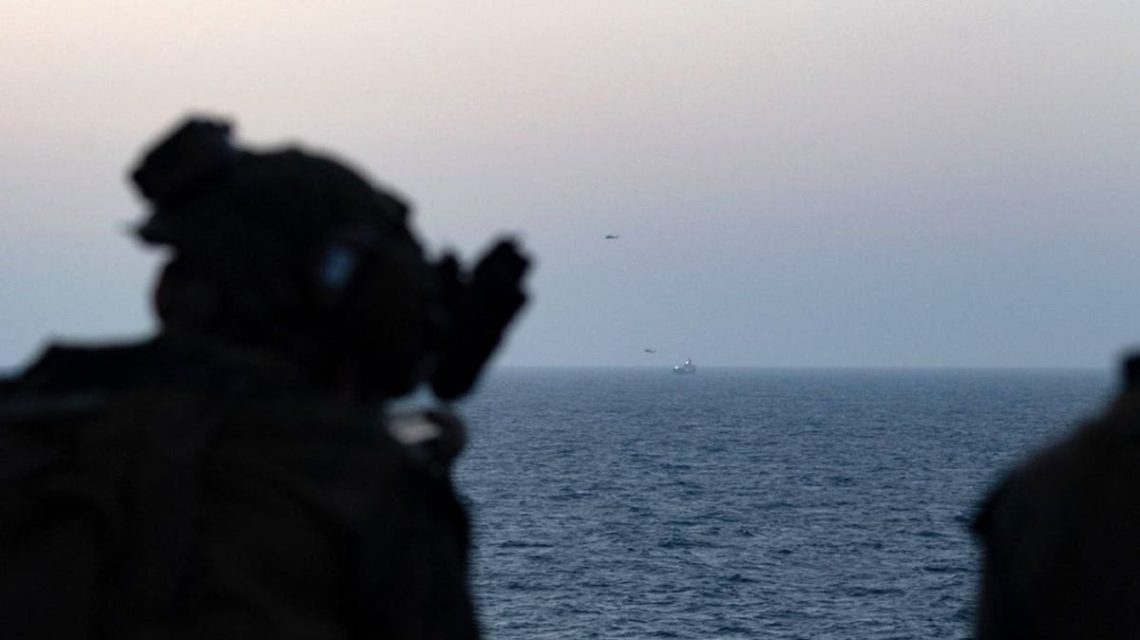
Small Iranian tankers have managed to bypass the U.S. naval blockade to deliver liquefied petroleum gas (LPG) to China. These tankers, referred to as a “ghost fleet,” are operating through a clandestine maritime hub near Malaysia. This information comes from U.S. investigators who recorded footage of such a vessel in September.
United Against Nuclear Iran (UANI), a watchdog group, conducted an investigation revealing at least nine tankers smuggling Iranian oil or LPG have successfully navigated past U.S. restrictions in the Strait of Hormuz since the blockade’s enforcement in July.
UANI identified one tanker, the SOGL, which left an Iranian port in September carrying approximately 500,000 barrels of LPG. This vessel then journeyed to a Malaysian offshore anchorage before proceeding to China to offload its cargo.
This tanker loaded its Iranian LPG from Assaluyeh Port, Iran, in late August and breached the U.S. blockade, reaching Malaysian anchorage,
explained Jemima Shelley, UANI’s senior analyst.
Only a small number of vessels have managed to circumvent the blockade. Since its reinstatement, nine small tankers have evaded American forces, according to Shelley. The Malaysian Eastern Outer Port Limits Anchorage, about 70 kilometers from the Malaysian coast, plays a pivotal role in this effort, providing safe harbor and opportunities for cargo transfer.
UANI monitored the SOGL before it entered Malaysian waters. The organization filmed the tanker, describing it as a “Handymax small tanker loaded with 500,000 barrels of Iranian LPG.” The U.S. initiated the maritime blockade in April, temporarily lifted it in June, and reimposed it in July when diplomatic solutions failed.
Shelley noted the blockade significantly restricts Iran from exporting crude oil, cutting off a key revenue stream amid economic hardships. While larger tankers carrying millions of barrels face strict protocols, some smaller tankers have taken risks to navigate past the blockade.
These ghost fleet vessels often disable their transponders, known as Automatic Identification Systems (AIS), to avoid detection. Such ships usually operate under false flags, rendering them stateless, and employ complex ownership structures. The tankers use various tactics to execute ship-to-ship transfers in the Gulf of Oman.
Economic pressure on Iran has increased with the blockade, affecting oil exports and forcing reliance on tactics like floating storage in areas like the EOPL. Despite challenges, China remains a critical market for Iranian exports, circumventing U.S. and OPEC sanctions through discounted purchasing agreements.
In recent footage, the SOGL did not engage in ship-to-ship transfers. Instead, it traversed the South China Sea, ultimately delivering its cargo at Xinzhou Port in China.
 In-Flight Altercation on Qatar Airways Leads to Police and FBI Response
 Virginia Residents Sue Over Alleged Immigration Violations
 Updates on Key International and Domestic Events
 Pope Leo XIV Completes South American Tour with Farewell Mass in Peru
 President Trump’s Critical Asia Trip: Key Meetings and Implications
 U.S. Plans to Restrict AI Chip Exports Before Trump-Xi Meeting