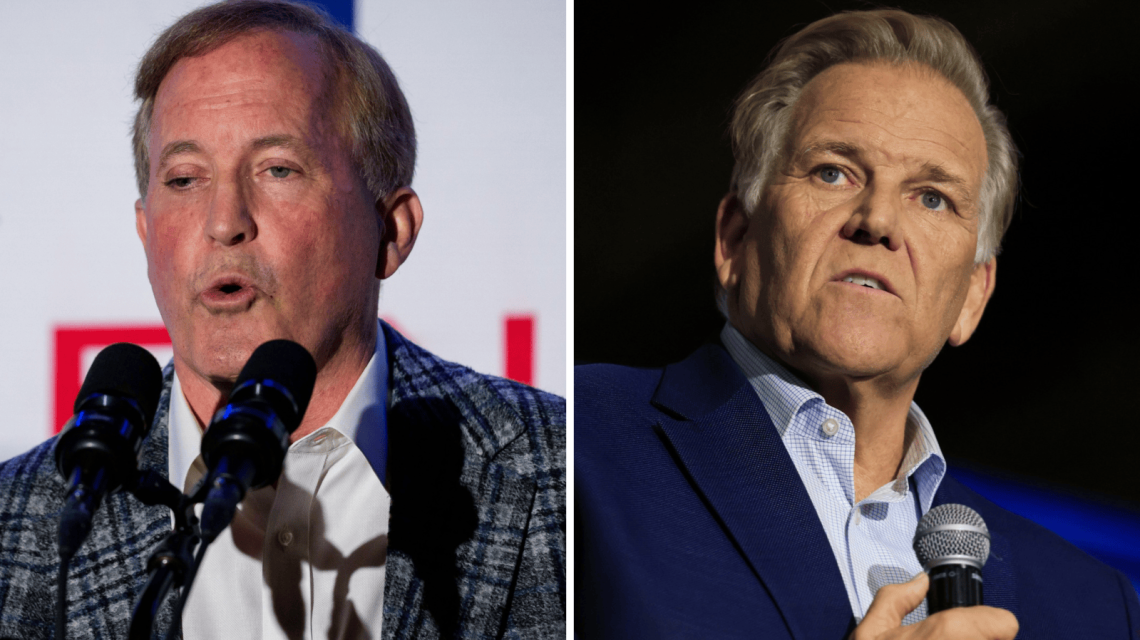
The Republican Party is allocating substantial funds for campaign advertisements as the midterm elections approach. Facing the possibility of significant losses in both the House and Senate, Republicans spent $1.9 billion on ads in October. According to AdImpact, this amounts to over $60 million each day. Democrats spent $1.76 billion, while independents contributed $350 million, bringing the monthly total to a record-setting $4.01 billion. This figure surpasses the $3.83 billion spent in a presidential election year.
This election cycle has been identified as the costliest in U.S. history. AdImpact reports $11.2 billion spent on ads so far, with expectations to reach $11.6 billion. The enormous sums indicate the high stakes of these elections, with many competitive races and uncertainties surrounding candidate success.
Source of Funds
The spending surge involves various individuals and super PACs. The Republican-aligned Senate Leadership Fund (SLF) allocated over $460 million to candidates in pivotal races by mid-October, as per the Federal Election Commission (FEC). Part of the funds went to opposition attack ads.
Elon Musk significantly contributed via America PAC, raising $216 million and spending $172 million between January 1, 2025, and October 14, 2026. Musk’s total spending for this period escalated to $474 million. Other major donors include No Going Back, President Donald Trump’s MAGA Inc. PAC, and One Nation.
On the Democratic front, groups like Majority Forward and entities associated with George Soros each invested over $100 million, according to analyses by Al Jazeera and the New York Times.
Ad Distribution
By region, significant ad spending targeted Senate races in battleground states. Data shared with Newsweek showed over $500 million spent on the Texas contest between Democratic candidate James Talarico and Republican Ken Paxton. More than $200 million was dedicated to ads opposing Talarico, with Sherrod Brown in Ohio and Abdul El-Sayed in Michigan following at $168.5 million and $127.8 million, respectively.
USA Today highlighted that Maine, with nearly $218 million in ad spend, became the priciest race when adjusted for population.
Focus on Economic Issues
Economic concerns have dominated the advertising landscape. Voters identified these as a priority. AdImpact data analyzed by Climate Power indicated over $191 million spent on ads associated with utility and energy bills in the first nine months of 2026, with $138 million in Q3 alone.
Ads focusing on data centers received $173 million, with Democrats spending $140 million, Republicans $28 million, and independents $5 million, according to Axios. Reports emerged in late October about a decline in Republican ads mentioning Trump, likely linked to his slipping approval ratings. Many Republican candidates distanced themselves from him in tight contests, emphasizing affordability and living costs.
Pete Seat, a former White House spokesperson, noted the importance of understanding the audience: “Television ads are seen by Republicans, Democrats, and Independents. Why alienate a sizable chunk of the electorate when you don’t have to?” Affordability emerged as the leading theme, with over $800 million spent across parties, based on Politico’s assessment of AdImpact information.
Polling Trends
Nate Silver described the situation as a “long night” for Trump’s party. According to RacetotheWH election simulations, Democrats have a 96.2% chance to control the House and 81.2% in the Senate, with projections of 237 and 53 seats, respectively.
The AtlasIntel congressional ballot showed Democrats leading 55.5% to 41.4% between October 28 and November 1. Additionally, the New York Times/Siena College poll indicated Democrats holding a one to eleven percent edge in key Senate races.
 Mayor Mamdani’s Policing Reform Plans
 Gen Z Voter Shifts and Their Impact on the 2026 Midterm Elections
 Disappearance of US Senate Candidate Raises Questions
 DOJ Rule Change Reduces Appeal Time for Immigrants Facing Deportation
 Hakeem Jeffries’ Bid for House Speaker Faces Progressive Hurdles
 Ohio Judge Dismisses Defamation Lawsuit by Rep. Max Miller