Understanding the Stakes: Russia and Ukraine’s Interests in the U.S. Midterm Elections
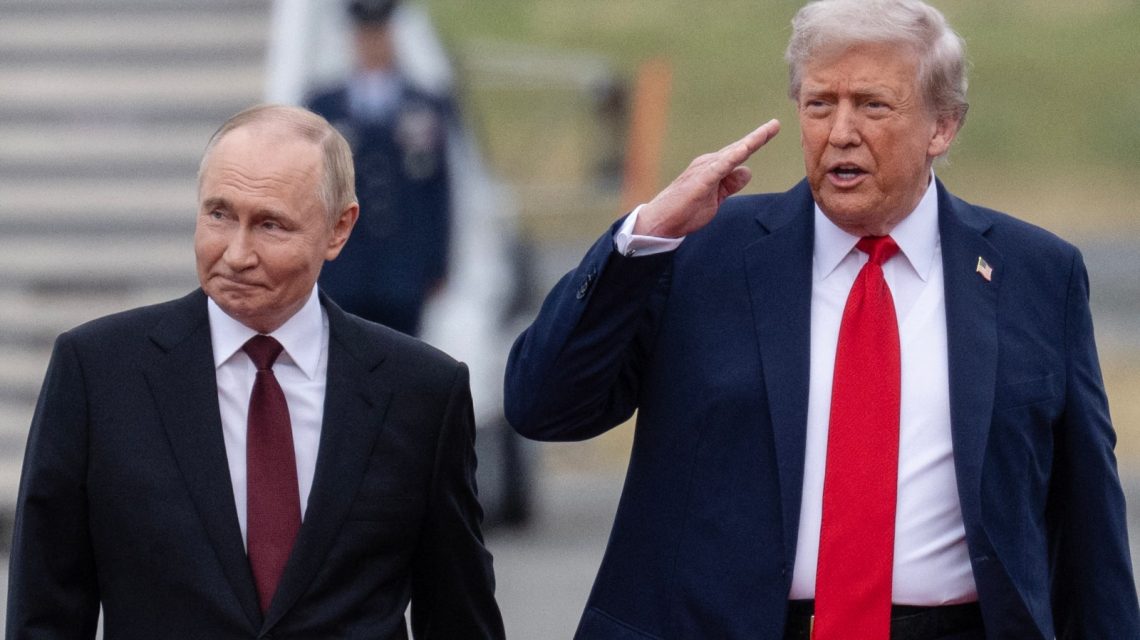
As America gears up for a pivotal midterm election, the interests of Russia and Ukraine come into sharp focus. Both nations have distinct desires regarding the outcome, influenced by U.S. policies under President Donald Trump.
Russia’s Position on Republican Control
For Russia, the retention of Republican control in Congress offers several advantages. Donald Trump’s openness to negotiate with Russian President Vladimir Putin offers Moscow opportunities for easing sanctions and fostering economic relations.
Alexander Shokhin, a prominent figure in Russia, highlighted the significance of a Republican-led Congress. He cautioned that without it, Trump might face challenges in lifting sanctions, even if he possesses the necessary authority. A Democratic majority could potentially oppose Trump’s initiatives.
The Kremlin’s approach has prioritized direct engagement with Trump over trying to sway Congress. Influential figures like Yuri Ushakov and Kirill Dmitriev have been actively involved in discussions about sanctions. Dmitriev has shown clear support for Republicans, accusing Ukrainian President Volodymyr Zelensky of attempting to harm Republican prospects.
Despite this, official statements from the Kremlin remain non-partisan. Dmitry Peskov acknowledged the election’s significance while affirming Trump’s continuation as president. Deputy Foreign Minister Sergei Ryabkov expressed skepticism regarding significant improvements in U.S.-Russia relations, given existing bipartisan anti-Russian sentiments.
Moscow’s strategy involves nurturing ties with Trump and his inner circle. President Putin has worked to develop a cooperative relationship with Trump’s envoys, aiming to influence U.S. policy through direct dialogue rather than congressional channels.
Ukraine’s Perspective on a Democratic Congress
In contrast, Ukraine perceives potential advantages in Democratic gains. Frustrations with the Trump administration over military aid and other issues suggest that a Democratic Congress could offer Kyiv additional leverage.
Zelensky has expressed appreciation for bipartisan support, although he’s critical of certain U.S. policies. During meetings with both Republican and Democratic lawmakers, including Senators Roger Wicker and Kevin Cramer, Zelensky emphasized the importance of unified support for Ukraine.
Oleksandr Merezhko, a key figure in Ukraine, relayed Kyiv’s strategic approach. Rather than viewing U.S. political parties in rigid terms, he emphasized fostering bipartisan alliances that prioritize Ukrainian interests.
Our absolute priority is to maintain support for Ukraine, irrespective of the party in power,stated Kyiv’s senior diplomat Denys Sienik.
Despite democratic gains potentially favoring Ukraine, the loss of influential Republican allies like the late Lindsey Graham presents a challenge. It’s not just about gaining supporters; Ukraine requires those who can sway Trump’s policies.
Conclusion: Complex Alliances
For both Russia and Ukraine, the U.S. midterm elections involve complex calculations and alliances. While Russia benefits from direct engagement with Trump, Ukraine seeks to strengthen bipartisan networks to advance its cause. The outcomes will shape foreign relations and policy directions between these nations and the U.S.
 Mayor Mamdani’s Policing Reform Plans
 Gen Z Voter Shifts and Their Impact on the 2026 Midterm Elections
 Disappearance of US Senate Candidate Raises Questions
 DOJ Rule Change Reduces Appeal Time for Immigrants Facing Deportation
 Hakeem Jeffries’ Bid for House Speaker Faces Progressive Hurdles
 Ohio Judge Dismisses Defamation Lawsuit by Rep. Max Miller