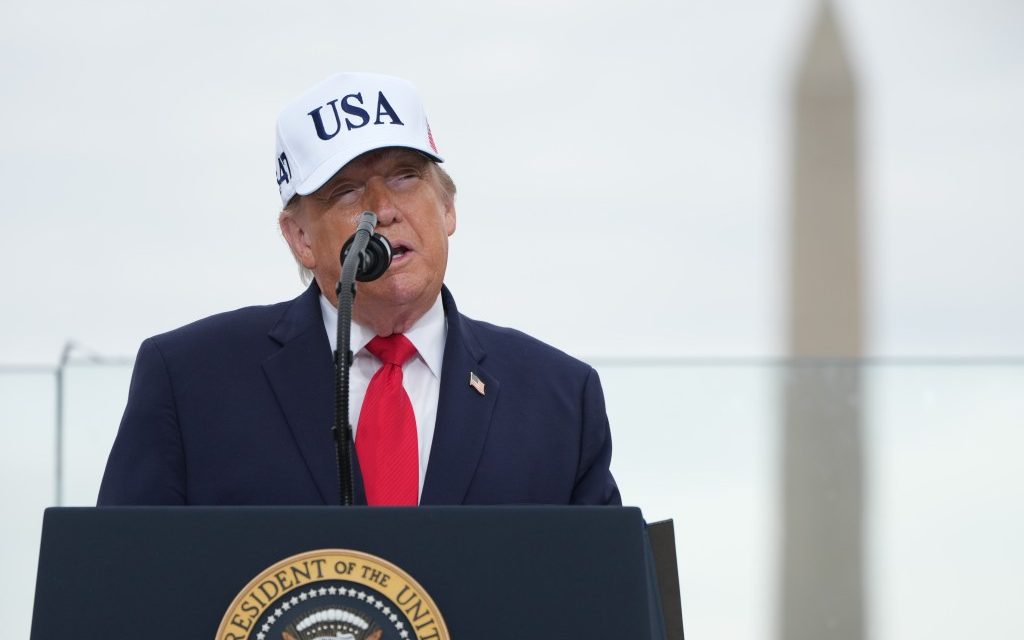
President Trump faces a limited timeframe to take action against Iran following the midterm elections. Experts suggest he may act before Congress can limit his military authority. Although Trump seeks renewed talks, he has threatened a strong response if Iran does not comply with his demands. Should Democrats gain control of the House, Trump has until January to act without significant legislative pushback.
Jonathan Schanzer from the Foundation for Defense of Democracies highlights a 6-8 week opportunity for Trump to escalate actions against Iran. Iran seems to be pursuing diplomacy while using regional threats to delay any military actions.
Possible Military Strategies
In the event of failed negotiations, Trump might consider a short but intense bombing campaign to pressure Iran into negotiations. Mark Cancian from the Center for Strategic and International Studies notes a two-week bombardment as a possible strategy. However, this approach may have limited efficacy, as Iran has endured intense bombings in the past without significant impact.
The US may target previous military sites and coastal bases threatening the Strait of Hormuz. Additional pressure could involve targeting Iran’s oil infrastructure and electrical grid. A significant move would be targeting Iran’s underground Pickaxe Mountain base, though its depth makes it challenging to impact directly.
US Military Capabilities
The US currently has two aircraft carriers in the Middle East, with a third on the way. Each aircraft carrier can launch a significant number of strike aircraft, adding to the 22 destroyers and other warships in the region. Over 20,000 sailors and marines are expected to be present, alongside the full US military force estimated at about 50,000 soldiers.
The US has also enhanced its air and missile defense systems, including the deployment of Patriot and THAAD systems.
Iran’s Potential Response
If the US targets Iran’s energy infrastructure, Tehran might respond forcefully. Ria Reddy from the Institute for the Study of War notes Iran’s potential for a broad retaliation campaign across the Middle East. Iran’s Supreme Leader Mojtaba Khamenei has indicated that such an attack would not be geographically limited. US bases could become prime targets in such a scenario.
Iran might increase attacks on commercial ships in the Strait of Hormuz, and call upon proxies in Gaza, Lebanon, and Yemen for support. Expanding threats could include cyberattacks or terror plots.
The Role of Israel
Israel joined the US in initial strikes but its future involvement remains uncertain amid electoral issues. Prime Minister Benjamin Netanyahu supports military actions to weaken Iran’s regime but faces internal political uncertainty. A diplomatic resolution might affect his political standing, potentially changing the dynamics with the Trump administration.
Opposition accusations suggest Netanyahu may want to restart the conflict to influence Israel’s political process and extend his tenure.
 In-Flight Altercation on Qatar Airways Leads to Police and FBI Response
 Mayor Mamdani’s Policing Reform Plans
 Virginia Residents Sue Over Alleged Immigration Violations
 Gen Z Voter Shifts and Their Impact on the 2026 Midterm Elections
 Disappearance of US Senate Candidate Raises Questions
 DOJ Rule Change Reduces Appeal Time for Immigrants Facing Deportation