Recent elections have led to significant political changes across the United States. Here’s a detailed look at the key results and their potential implications:
Arizona’s Proposition 318 and 319
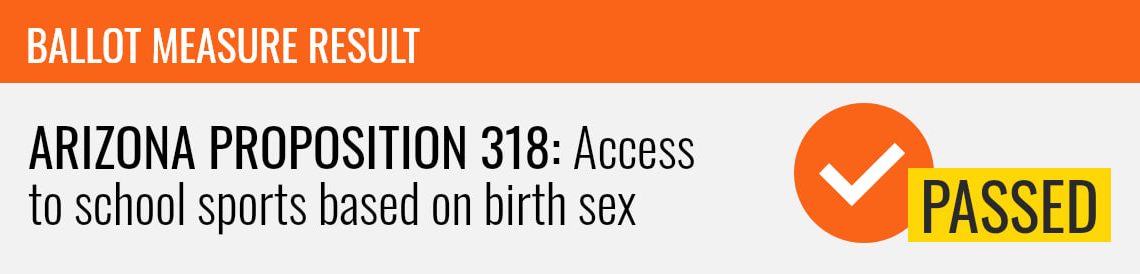
Arizona voters approved Proposition 318, which mandates that school sports participation should be based on birth sex. Also approved was Proposition 319, which limits the use of traffic cameras. This shows a trend towards conservative policy adoption in these areas.
Political Parties’ Perceptions
Despite Democratic gains, both major parties face negative public perception. Democrats were six points under water, while Republicans fared worse with an 18-point deficit according to exit polls. This highlights potential challenges ahead for both parties, especially for Democrats planning strategies for the 2028 elections without Trump in the race.
Texas and Nebraska Election Outcomes
In Texas, Democrat Jon Rosenthal won the Railway Commissioner race amid controversy over comments by his opponent. Nathan Johnson and Vikki Goodwin also captured key positions as Attorney General and Lieutenant Governor, respectively. Meanwhile, in Nebraska, GOP’s Pete Ricketts was re-elected to the Senate, underscoring Republican strength in traditionally conservative states.
Nevada and Alaska Referendums
Nevada passed Question 7, requiring voter ID, and Question 6, ensuring abortion rights. Conversely, Alaska approved Measure 3, demanding citizenship to vote, reflecting varying state priorities on voter and reproductive rights.
Michigan’s Political Climate
The Senate race in Michigan saw Abdul El-Sayed secure a win, supported predominantly by Muslim, Black, LGBTQ, and young voters. His victory demonstrated the influence of progressive politics in the state despite a slightly lower turnout from Black voters compared to past Democrat candidates.
Ohio and South Dakota Decisions
Marcy Kaptur from Ohio retained her district in the face of redistricting, a success in a GOP-favored state. South Dakota voters rejected a Medicaid expansion amendment, showing resistance to broadening government healthcare initiatives.
Mississippi’s Senate Race
Scott Colom held a lead by 28 votes over GOP Sen. Cindy Hyde-Smith. Despite no automatic recounts, this tight race signals shifting voter dynamics in traditionally Republican territories.
Key Figures and Statements
“The American people sent a clear message… they want a politics that brings people together,” stated former President Obama, celebrating Democratic gains.
He emphasized the importance of unity and functional governance amidst divisive political climates.
Overall, these elections reflect dynamic political landscapes, with voters expressing a mix of support for progressive policies and conservative values, shaping the future legislative agenda.
 Mayor Mamdani’s Policing Reform Plans
 Gen Z Voter Shifts and Their Impact on the 2026 Midterm Elections
 Disappearance of US Senate Candidate Raises Questions
 DOJ Rule Change Reduces Appeal Time for Immigrants Facing Deportation
 Hakeem Jeffries’ Bid for House Speaker Faces Progressive Hurdles
 Ohio Judge Dismisses Defamation Lawsuit by Rep. Max Miller