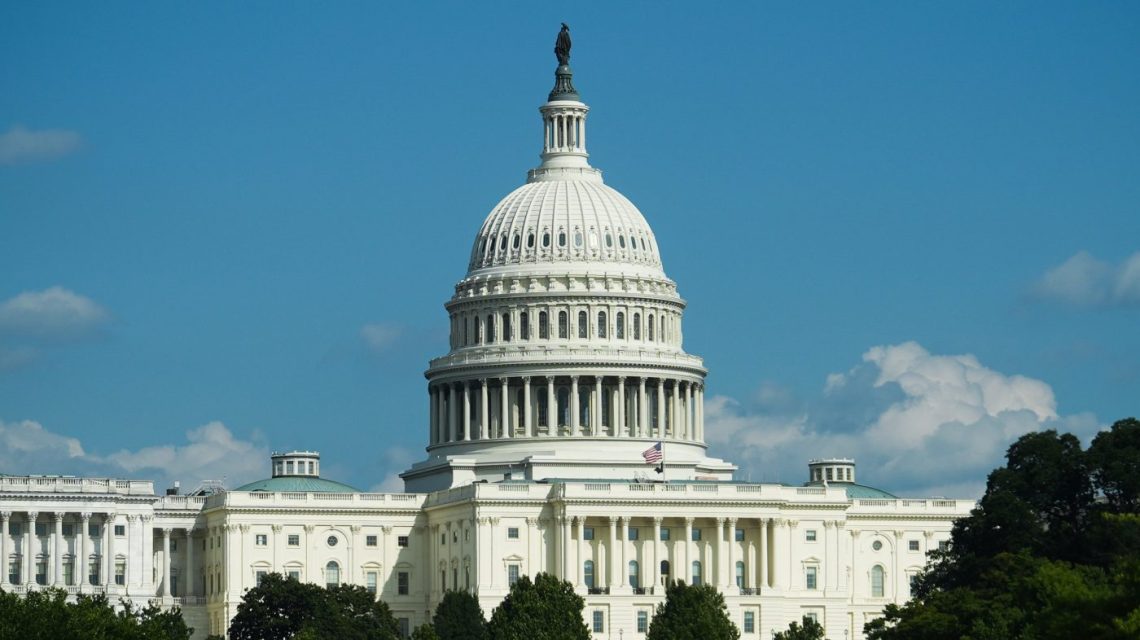
The U.S. Capitol, a symbol of American governance, presides over Pennsylvania Avenue as fiscal challenges loom for the nation. The cessation of campaign ads brings relief, yet the staggering cost remains memorable. The 2026 midterm elections have reportedly reached a monumental expenditure of $11.9 billion. In stark comparison, the allocation of $2.9 billion by the Environmental Protection Agency for state initiatives to replace lead pipes highlights divergent spending priorities.
Legislators now face the imperative to address the pressing cost of living concerns. Historical lessons show that a budget symbolizes a promise for one’s future. As Congress reconvenes on November 9, the imminent December 11 deadline for government funding heightens urgency. The term ‘lame duck,’ with origins from 1761 London, underscores those defaulting on debts, and the U.S. government mirrors this precedent with 25 consecutive years of deficit.
The conclusion of fiscal 2026 is marked by a deficit of $1.99 trillion. Alarmingly, interest on the national debt surpasses $1 trillion, exceeding defense expenditures and trailing only Social Security and Medicare. Interest expenditure alone constitutes 19% of federal revenue and relies on further borrowing, escalating the national debt beyond $40 trillion. The nation is effectively making interest payments alone, challenging the notion of governance.
Fiscal irresponsibility crosses party lines, with both Democrats and Republicans contributing to spending habits. True resolution of debt issues necessitates simultaneous restraint and growth. Early indications of growth emerge, evidenced by a 49.5% uptick in foreign investment within U.S. businesses in 2025, totaling $232.2 billion. American manufacturing benefits significantly, with Japan leading investments at $50.5 billion. The White House attributes this surge to President Trump’s policies, contributing to a widened tax base.
Despite economic advances, relief on living costs remains elusive as promises from political entities continue to linger. The American Rescue Plan, a $1.9 trillion initiative, materialized during an economic resurgence, contributing to inflation. Estimates by the San Francisco Federal Reserve and other economists suggest varying degrees of impact, with Biden’s administration acknowledging its role.
In California, the impact of governance shapes economic realities. A 12-cent gas tax from 2017 by Governor Jerry Brown, coupled with mandates by the Air Resources Board, contribute to gas price disparities. The California average of $5.94 per gallon starkly contrasts the national average of $4.22, underscoring policy-driven costs.
Similarly, the state’s minimum wage increase to $20 in fast-food establishments led to a 3.3% to 3.6% rise in prices relative to other metropolitan areas. Federal border policy exerts pressure on local budgets, with the Congressional Budget Office citing a net cost of $9.2 billion for state and local governments in 2023. Educational, housing, and border security needs absorbed more than half of this expenditure.
These fiscal challenges reflect conscious policy choices, with families burdened by resulting costs. Distinguished economist Thomas Sowell contends that solutions entail tradeoffs, often overlooked by Congress during budget cycles. Every dollar allocated to programs emanates from taxes, borrowing, or monetary creation.
The essential principle of government powers, derived from citizen consent, remains pivotal. Oversized interest payments, currently at $1 trillion annually, lack voter consent, including future generations. While critics highlight potential detriments of spending cuts, solutions are vital. A household dedicating 19% of income to interest would seek financial guidance, mirroring governmental needs.
Future projections by the Congressional Budget Office spotlight alarming growth in net interest costs, poised to reach $2.5 trillion annually by 2036. Lame-duck legislators hold legislative power, and strategic actions are essential. Recommendations for fiscal discipline include enacting full-year appropriations below current levels and attaching enforceable spending limits to debt limit increases.
Congruity between new programs and offset identification prior to voting should reflect household budgeting practices. Politically challenging decisions must be embraced without electoral divisions. As campaign expenditure reached $11.9 billion, expenditure restraint promises fiscal preservation for forthcoming generations. Observers await Congress’s resolution to responsibly manage national finances.
The author’s extensive experience in financial sectors underscores the criticality of robust fiscal stewardship. Jay Rogers, with over three decades in private equity, credit, hedge funds, and wealth management, provides seasoned insight into prudent economic practices.
 Mayor Mamdani’s Policing Reform Plans
 Gen Z Voter Shifts and Their Impact on the 2026 Midterm Elections
 Disappearance of US Senate Candidate Raises Questions
 DOJ Rule Change Reduces Appeal Time for Immigrants Facing Deportation
 Hakeem Jeffries’ Bid for House Speaker Faces Progressive Hurdles
 Ohio Judge Dismisses Defamation Lawsuit by Rep. Max Miller