In Washington, D.C., the recent midterm elections signaled a significant shift. Democrats, riding a wave of voter demand for change, gained control in Congress. Meanwhile, Republicans saw their previous majorities dissolve following a widespread voter rejection of President Donald Trump and his administration.
The Democratic victories stretched from coast to coast and included unexpected locations. This resulted in a solid majority in both the House and the Senate. These outcomes are likely to create a government with marked divisions, as Congress prepares to reassert its strength as an independent branch.
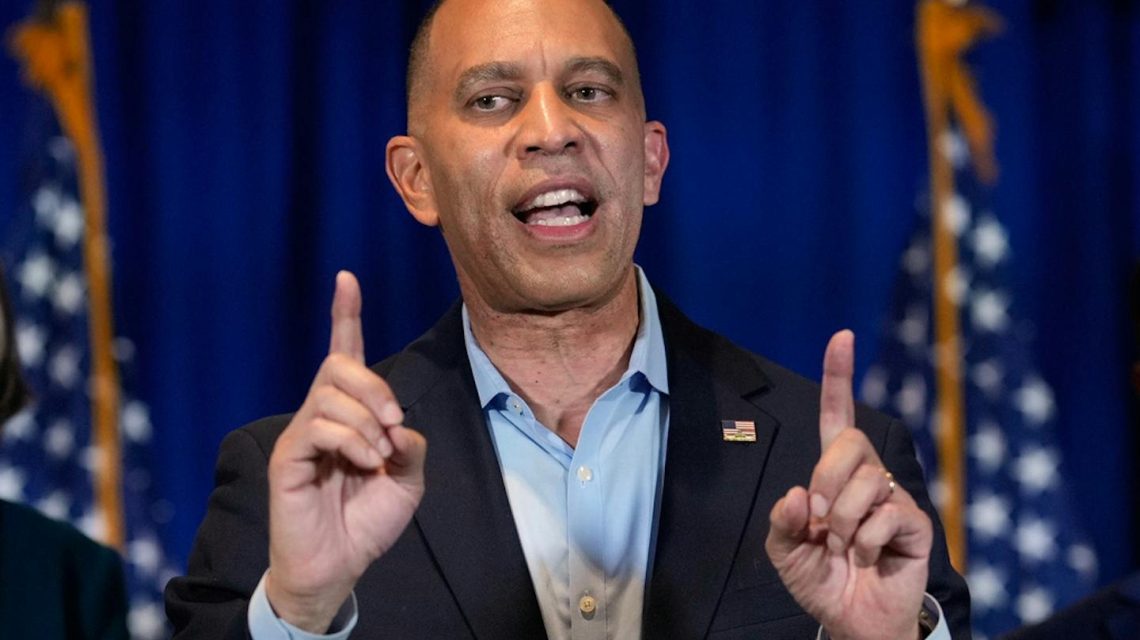
Democrats announced a 100-day agenda focused on reducing the costs of essential goods like gas and groceries, addressing healthcare, and increasing oversight of Trump’s administration. Impeachment remains a potential tool in their arsenal. House Democratic Leader Hakeem Jeffries, who stands to become the first Black Speaker if elected by his peers, stated, “We hear you,” emphasizing the election’s message.
Jeffries called the outcome a clear rejection of MAGA extremism, marking it as a victory for the American public. Senate Democratic Leader Chuck Schumer noted that while many voters rejected the Trump-led GOP, they have yet to fully embrace Democrats. Schumer pointed to victories in challenging races, such as those in South Carolina, Texas, and Kansas, as opportunities to gain public trust.
The election results have fundamentally altered Washington’s power dynamics, introducing both opportunities and governance challenges. The scope of Democratic success highlighted voter dissatisfaction with the economy and concerns over the democratic process.
President Trump suggested he could work alongside Democrats but cautioned there could be deadlock if he resorted to vetoing their proposals. He acknowledged the impact of the war in Iran on the election. Rising gas prices linked to this conflict have agitated voters, though Trump maintains it was necessary and continues to support Defense Secretary Pete Hegseth.
Vice President JD Vance highlighted the Iran conflict as a key factor in the Republican losses. House Speaker Mike Johnson will step down from his leadership role, suggesting a contentious future leadership election among Republicans as they regroup.
For Democrats, the focus will be on reversing GOP cuts to healthcare and conducting rigorous oversight of the Trump administration. Rep. Robert Garcia and Sen. Ron Wyden have signaled aggressive accountability efforts.
A majority of voters feel Congress has not effectively checked presidential power, based on The AP Voter Poll. In the new legislative session, the Democrats’ wider margins allow leaders Jeffries and Schumer greater flexibility in their strategies.
Republicans face introspection on what went wrong. Vice President Vance attributed their losses to the Iran war’s impact, prompting debates on necessary sacrifices for political gain.
In the lame-duck session, Republicans aim to maximize their remaining influence, though achieving significant legislative victories seems challenging. With potential opportunities for Trump to fill judicial roles disappearing, the attention shifts to averting a federal shutdown if funding isn’t secured.
Upcoming internal leadership elections will shape each party’s future direction. Jeffries aims to consolidate Democratic support, while Schumer prepares for a new Democratic cohort in the Senate.
The incoming Congress also marks historical milestones. Democrat Juliana Stratton joins two other Black women in the Senate. Peggy Flanagan becomes the first Native American female senator. Chris Pappas and Abdul El-Sayed will be recognized for their breakthroughs as the first openly gay male and first Muslim senators, respectively.
These changes highlight an evolving political landscape with new faces and ideologies shaping the future of American governance.
 Mayor Mamdani’s Policing Reform Plans
 Gen Z Voter Shifts and Their Impact on the 2026 Midterm Elections
 Disappearance of US Senate Candidate Raises Questions
 DOJ Rule Change Reduces Appeal Time for Immigrants Facing Deportation
 Hakeem Jeffries’ Bid for House Speaker Faces Progressive Hurdles
 Ohio Judge Dismisses Defamation Lawsuit by Rep. Max Miller