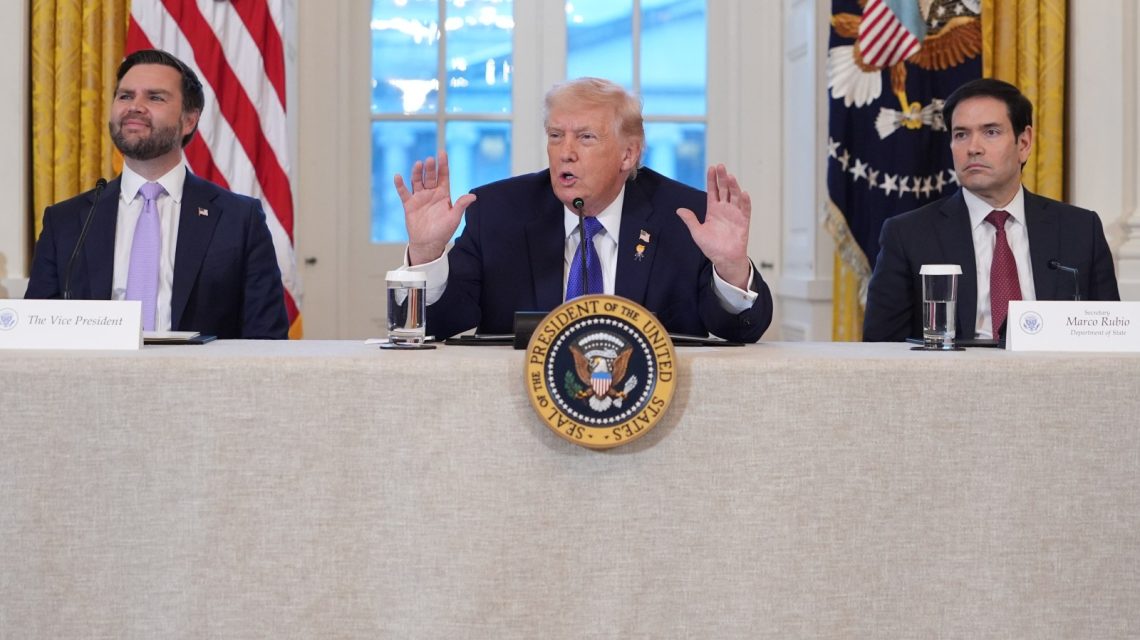
The recent midterm elections have reshaped the political landscape, impacting key figures like Vice President JD Vance and Secretary of State Marco Rubio. Democrats have seized control of both the House and Senate, unseating Republicans in pivotal states such as Texas, Ohio, and North Carolina. These outcomes cast doubt on the future political ambitions of potential 2028 contenders Vance and Rubio.
Democratic Gains and Republican Strategy
Democratic candidate James Talarico’s victory over Republican Ken Paxton in Texas marked the first statewide Democratic win since 1994. In Ohio, Vance’s home state, Democrat Amy Acton won against Vivek Ramaswamy, while Sherrod Brown kept his Senate seat by defeating Jon Husted.
Vance had thrown his support behind Ramaswamy despite controversies, including a disputed campaign ad. Rubio, meanwhile, avoided the campaign trail, maintaining distance from election losses and the ongoing Iran conflict. Post-election, there’s a divide within the Republican Party between sticking with Trump’s influence or moving away from Trumpism.
Leadership and Party Dynamics
“Remember, they are both young,” Marc Hetherington, a political science professor, remarked, highlighting the potential for Vance and Rubio’s long-term political futures.
Prior to the elections, a New York Times/Siena poll showed Vance had more support among Republican primary voters than Rubio. With the current setbacks, both figures need to reevaluate their strategies.
Challenges for Vice President JD Vance
Vance is grappling with the fallout from supporting Ramaswamy’s losing gubernatorial run. He has openly criticized the impact of the Iran war on Republican electoral prospects. Trump’s endorsement of Vance’s stance offers some political cover, yet the road to recovery remains challenging.
Political commentators speculate about Vance’s future viability. Some argue his career might stall due to diminished support and lacking major policy achievements.
Marco Rubio’s Position and Advantages
Rubio’s low-profile approach post-election and his focus on Western Hemisphere relations may prove advantageous. Florida was one of the few states with Republican successes, with Byron Donalds narrowly winning the governor’s race. Despite these wins, the state is becoming a battleground.
Rubio, with his Cuban heritage and foreign policy experience, maintains a favorable position among Latino voters—a key demographic. His standing within the Trump administration remains robust, and there’s speculation he could be an appealing presidential candidate.
Looking Ahead: Strategic Considerations
Political experts advise caution for both Vance and Rubio. The Republican Party faces geographical challenges with shifting battleground states like Texas and South Carolina no longer guaranteed strongholds. Historical parallels are drawn to previous elections where shifting party dynamics played a crucial role.
For 2028 and beyond, candidates may need to balance maintaining Trump’s base while appealing to independents. Both Vance and Rubio must navigate complex party allegiances. Some advisors suggest they wait until 2032 to run, aligning when the political climate might be more favorable.
 Mayor Mamdani’s Policing Reform Plans
 Gen Z Voter Shifts and Their Impact on the 2026 Midterm Elections
 Disappearance of US Senate Candidate Raises Questions
 DOJ Rule Change Reduces Appeal Time for Immigrants Facing Deportation
 Hakeem Jeffries’ Bid for House Speaker Faces Progressive Hurdles
 Ohio Judge Dismisses Defamation Lawsuit by Rep. Max Miller