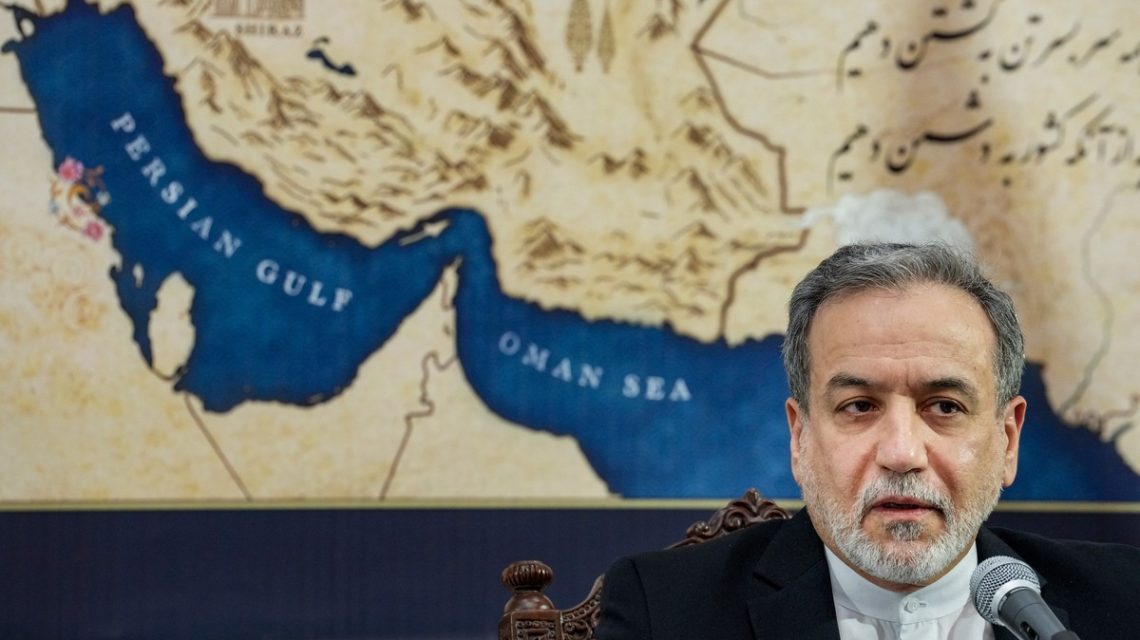
Iran has issued a warning of multiple “surprises” for the United States if American military strikes resume. Despite hints of a peace deal, the risk of renewed conflict remains significant.
President Donald Trump stated he postponed a U.S. attack on Iran after leaders from Qatar, Saudi Arabia, and the United Arab Emirates suggested a potential resolution for the Middle East conflict. Trump’s decision to delay came following Pakistan’s delivery of a new peace proposal between Washington and Tehran to U.S. negotiators.
Trump informed reporters he was “an hour away” from approving the strikes but stopped to allow further negotiation efforts. A return to warfare would disrupt the fragile ceasefire present since April, although minor skirmishes have continued.
The ceasefire’s stability has been questioned, Trump noting it remained on “life support.” Tensions escalated recently when the U.S. struck military targets following Iran’s missile and drone attacks as U.S. vessels passed the Strait of Hormuz.
Iran continues to exert control over the Strait, a critical passage for global oil and gas, approving only select ships since February 28, when the U.S. and Israel launched their initial attacks. This blockade has caused thousands of sailors to become stranded and fluctuations in fuel prices worldwide. The ongoing conflict has negatively impacted the Trump administration’s approval ratings ahead of the upcoming elections.
Shipping reports indicated two Chinese oil tankers recently exited the Strait. Meanwhile, Vice President JD Vance remarked negotiations are “in a pretty good spot,” though he expressed uncertainty about the U.S. team’s exact negotiating stance. Nonetheless, he confirmed the U.S. remains “locked and loaded,” ready to resume military action if necessary.
Despite Trump’s assertion that Iran is eager for a deal, negotiations have been fraught with challenges. Trump claimed the written terms diverge from those discussed verbally, leading to repeated threats of military action followed by strategic retreats.
Iran’s Foreign Minister, Abbas Araghchi, declared the country prepared for potential U.S. attacks, emphasizing the lessons learned. Another diplomat, Kazem Gharibabadi, outlined Iran’s proposal, which includes acknowledging Iran’s uranium enrichment rights and lifting the U.S. blockade on Iranian ports. The U.S. Central Command reported that the blockade persists and has turned away numerous vessels.
Iran also suggested the U.S. compensate for strike damages and lift sanctions while ending Israel’s conflict with Hezbollah. However, Trump denied all deal variations, reiterating opposition to Iranian nuclear weapons capability, which may renew threats of military action. Iran insists its nuclear program remains peaceful, aimed at civilian electricity generation. However, experts note Iran has enriched uranium near weapons-grade, surpassing non-military needs.
 British Police Arrest Man Suspected of Terror Plot
  Activists Push for Nationwide Ban on Child Marriage in the U.S.
  Investigation into Alleged Incident at Cornell University
  Rising Drone Threats Highlight Vulnerabilities in Moldova’s Airspace Defense
 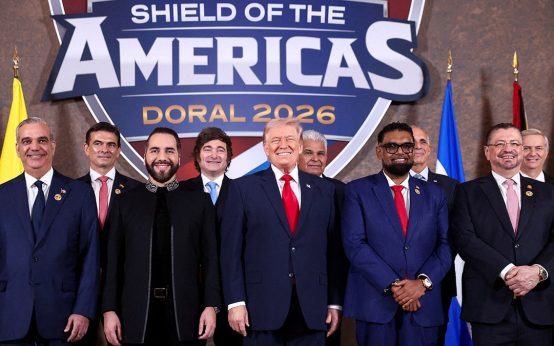 Bolivia Faces Security Test Amid Unrest
 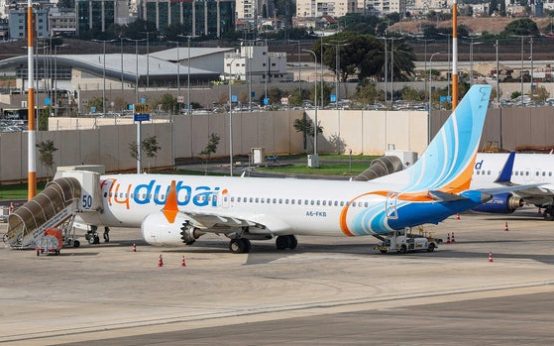 Incident on FlyDubai Flight Raises Security Concerns