
Fox Corp. Completes Acquisition of Roku
Fox Corp. has finalized a $22 billion acquisition of Roku, a prominent smart TV enterprise. This was announced on Friday, marking a significant move for the company in the evolving media landscape.
Lachlan Murdoch, the executive chair and CEO of Fox Corp., emphasized the commitment to audience and partner service while maintaining the openness of Roku’s platform. This acquisition, initially announced in June, aligns Fox with the current streaming industry dynamics.
The purchase empowers Fox in the ad-supported streaming realm, crucial as streaming platforms increasingly integrate advertising. Fox’s ownership of Tubi and now the Roku Channel enhances its position in the free streaming market. The transaction involves cash and stock, and Roku’s stocks have been halted on Nasdaq.
Historic Political Moments in Mississippi
Former Virginia governor L. Douglas Wilder reflected on unprecedented political events. Wilder, speaking in Richmond, expressed surprise at the potential election of Scott Colom to the U.S. Senate in Mississippi. Colom is close to winning in a state with a tumultuous civil rights history.
At 95, Wilder, who himself made history as the first African American governor elected post-Reconstruction, noted this significant shift. The memory of past racial injustices, such as Emmett Till’s lynching, makes this potential victory even more poignant.
Additionally, five other states elected Black governors, including Maryland’s Wes Moore for a second term. Wilder acknowledged the ongoing social issues in the U.S. while maintaining hope for change and progress.
Trends in College Costs
The cost of college is decreasing compared to a decade ago, despite shifting public perceptions about higher education’s value. The College Board’s annual report shows a 14 percent drop in costs for in-state freshmen, with an estimated average of $21,660 in 2026.
At private institutions, costs have also decreased by 9 percent since 2016. Several factors contribute, including slower tuition rate increases and enhanced state support for public colleges. This trend is further buoyed by grants and scholarships.
Public colleges have experienced minor price increases that remain below inflation levels, while private nonprofit colleges have seen costs rise by 3.7 percent. These adjustments reflect both market conditions and collaborative state-federal financial aid efforts.
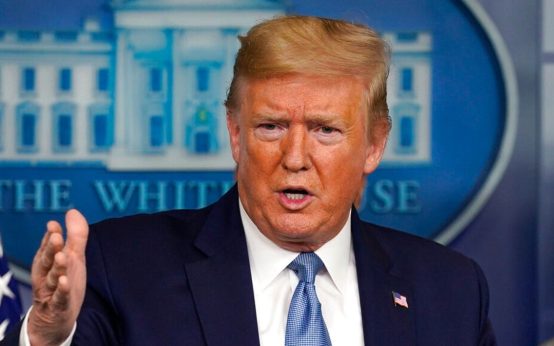 Department of Education Investigates Teacher Programs for Discrimination
 Mayor Mamdani’s Policing Reform Plans
 Gen Z Voter Shifts and Their Impact on the 2026 Midterm Elections
 Disappearance of US Senate Candidate Raises Questions
 DOJ Rule Change Reduces Appeal Time for Immigrants Facing Deportation
 Immersion in French Culture at Ascension Catholic School