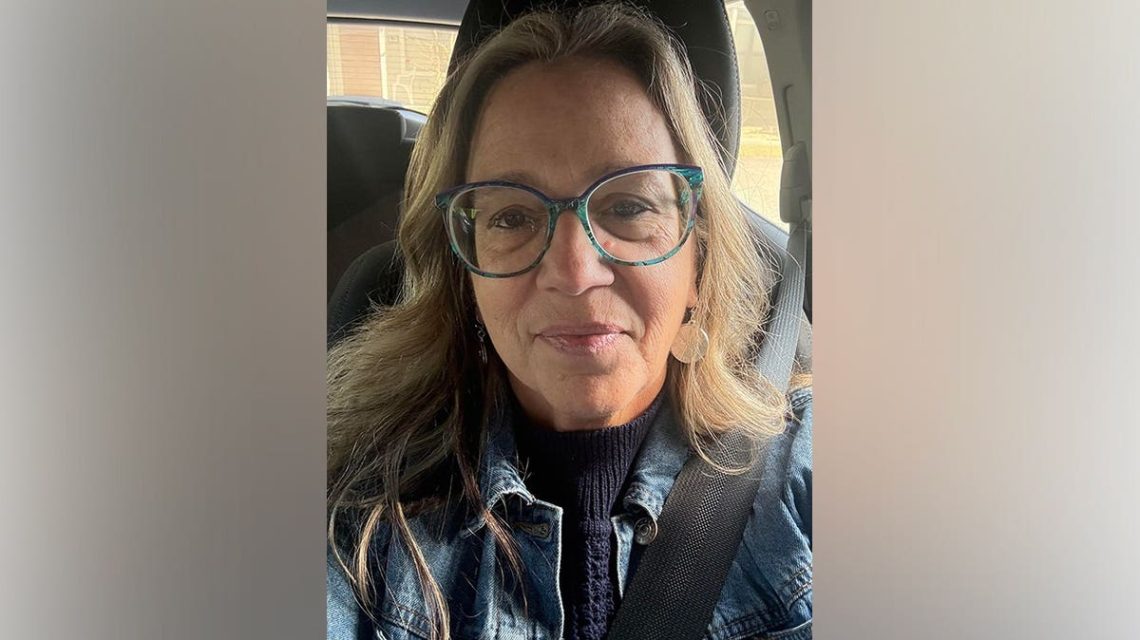
For over three decades, Amy has lived with the trauma of her 1992 Valentine’s Day rape in Virginia. Last year, the case saw progress when DNA evidence connected the crime to Anthony Favors, a convicted rapist. Recently, in September 2025, Favors, aged 57, reached a plea agreement on two counts of rape, receiving a 24-year sentence. Norfolk Judge Everett A. Martin Jr. assigned 12 years for each count to run consecutively.
Months after this resolution, Amy was shocked to receive an automated notification that Virginia’s parole board considered Favors for release. This development troubled her deeply. “I finally get some sort of closure and justice. And then I get a text,” Amy shared with Fox News Digital. She questioned how Favors became eligible for parole, given his convictions.
Amy, at the time of the assault, served in the Navy. After the attack, she reported back to her ship, enduring both physical and psychological pain.
“The only word I can think of right now, honestly, is disgusting,” Amy said regarding the parole review. “It’s wrong. How can you do that? Where is my justice?”
Months later, Amy must deal with the trauma as Favors faces a possible parole hearing. Thanks to bureaucracy, his parole hearing is set, even though he served a long sentence for another rape case. Favors was previously serving a 60-year sentence for another March 1992 rape when 2024 DNA investigation linked him to Amy’s case.
According to Norfolk Commonwealth’s Attorney Ramin Fatehi, the old legal system allows this discretion since Favors committed the crimes before January 1, 1995. Despite slim chances of actual release, the hearing’s prospect leaves Amy distressed. “Some of the things I thought were normal were not normal,” she admitted. This includes persistent fears regarding her home security due to post-traumatic stress.
Heather Keeley, director of the advocacy group Stand Tall, noted that the parole hearing could amplify trauma for survivors. Keeley argued that by revisiting cases like these, victims are forced to repeatedly confront their past traumas. “And here it is less than six months later, and she’s calling us all that she just received a text message,” Keeley stated, surprised by the swift timing.
Amy now plans to argue at the parole hearing for a three-year deferment, hoping to prevent an annual revisitation of the crime. “I now have to explain myself again as to why he shouldn’t get out,” she said. Despite this burden, she feels compelled to advocate not only for herself but also for other victims who lack a voice.
As Amy prepares for this challenge, she reflects on the broader implications for public trust in the legal system. “If you’re paroling these people, what incentives does that give somebody else?” she questioned, highlighting concerns on whether such decisions deter others from reporting crimes.
The Virginia Parole Board keeps its full hearing schedule confidential but makes monthly parole decisions public. Favors’ attorney and government officials have not yet made public comments.