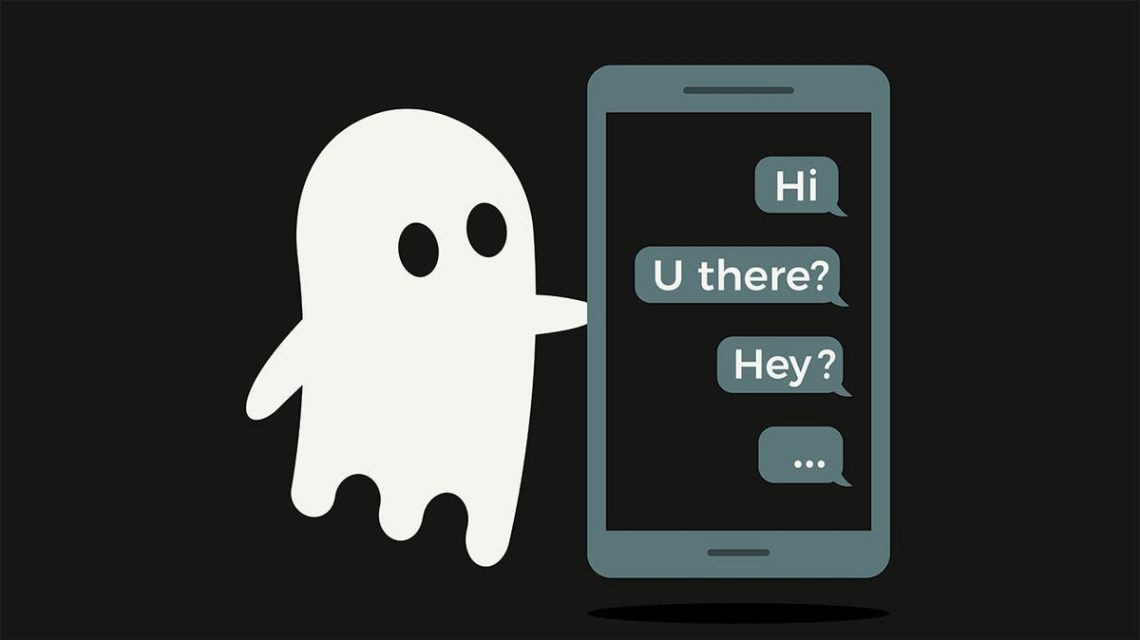
Ghosting refers to when a person you are dating stops responding and reaching out without discussing ending the relationship. It’s more than being ignored; it’s a complete disappearance without closure, explains Monica Ricci, a relationship coach from Georgia.
Understanding Ghosting
According to Ricci, ghosting is a form of avoidance behavior. It’s akin to procrastination, where people avoid discomfort. They might fear difficult conversations or disappointing someone. Sometimes, they simply don’t care enough to communicate. This can provide them with a sense of relief, although it might leave lingering guilt.
Research published in Sage Journals indicates those who end communication often underestimate how much guilt and remorse they might feel. “There’s a part of you that may know that wasn’t the best way to handle it,” says Ricci. Ghosting can make the ghoster feel grief and regret, reflecting more on them than on those they leave behind.
The Emotional Impact of Ghosting
Being ghosted can make you feel unworthy. However, Ricci notes, it is a reflection of the ghoster’s inability to have honest communication. The brain seeks patterns and answers after being ghosted. Moving forward requires acceptance that explanations might never come.
“If a person can’t have a conversation with you at the beginning of a relationship, they probably weren’t meant for you,” Ricci explains. Ghosting reveals more about the ghoster than the person ghosted.
Communicating Honestly
Ricci’s approach to couples therapy, the Gottman Method, focuses on emotional intimacy and communication. Honest conversations, though daunting, can be simple. A direct, brief message can suffice. For example, “I’ve enjoyed getting to know you, but I’m not feeling the connection I need to move forward. I wish you the best.”
Though being direct is the respectful choice, reactions can’t always be controlled, Ricci says. People may opt to ghost to avoid making others feel bad. Yet, direct communication is often the kindest approach.
Ricci emphasizes that in cases of harassment or abuse, ghosting might be the safest option. “Cutting off contact without response is smart and safe in these situations,” she advises.
 Best Winter Skirts to Elevate Your Wardrobe
 Quince’s New Bag Rivals $3,400 Celebrity Version at Fraction of the Cost
 Celebrities Embrace Trench Coats for Winter Style
 Managing Holiday Stress and Enjoying Affordable Wines
 Top Food and Drink Innovations for Holiday Gifts
 Cuffed Jeans: A Trend Embraced by Celebrities