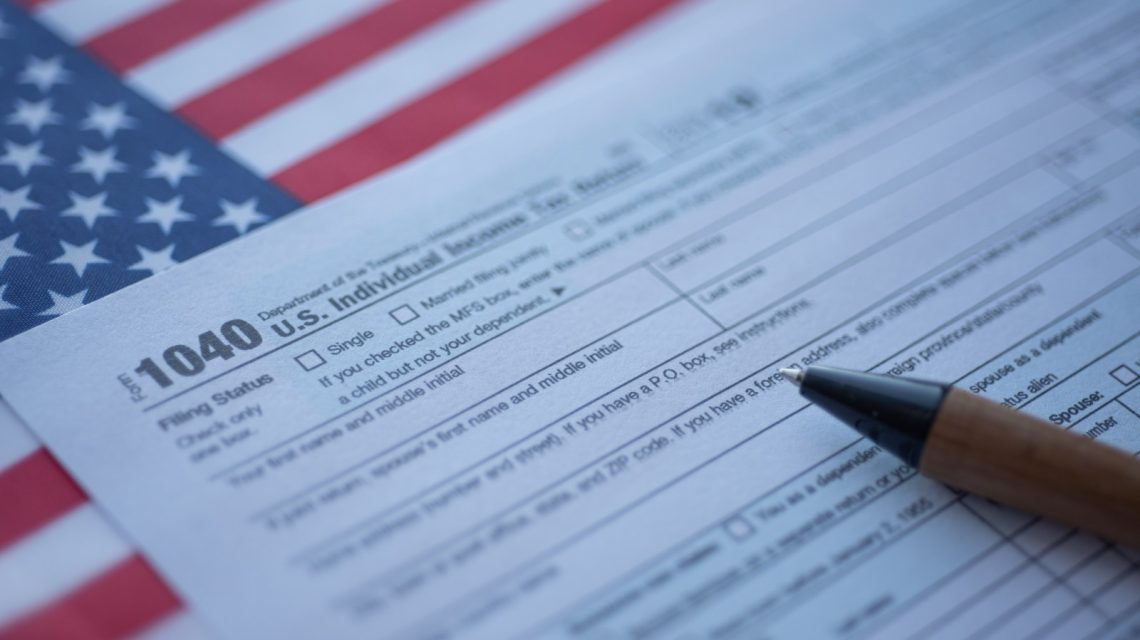
In the recent midterm elections, voters in five U.S. states agreed on notable changes to income tax policies. Some states approved higher taxes on wealthy residents, while others imposed restrictions on lawmakers from raising taxes. Here’s a breakdown of the changes:
Colorado: Approval of Graduated Income Tax System
Colorado voters passed Amendment 87, which replaces the current flat 4.4 percent income tax rate with a graduated system. Starting in 2027, there will be six rates ranging from 3.7 percent to 8.4 percent. Taxable income above $1 million will face the highest rate. Those earning between $500,001 and $750,000 will have a 7.4 percent rate, and income between $750,001 and $1 million will see a 7.9 percent rate. According to state fiscal analysis, taxpayers with incomes below $510,834 are expected to benefit from reduced tax bills, while those above this threshold will pay more. The change aims to generate nearly $2 billion in the first fiscal year, with funds supporting public education, health care, and early childhood programs.
California: Permanent Higher Taxes on Wealthy Residents
California’s Proposition 3 secured permanent higher income tax rates on the state’s wealthiest taxpayers. Originally approved in 2012 and extended in 2016, these rates impact the top 2 percent of taxpayers. The thresholds apply to income above approximately $371,000 for single filers, $742,000 for married couples, and $505,000 for heads of household, adjusted annually for inflation. The permanent rates preserve annual state revenue of $5 billion to $15 billion, primarily funding K-12 public schools and community colleges, with the remainder supporting other state programs.
Washington: Rejection of Millionaires Tax Repeal
Washington voters turned down Initiative 645, which sought to repeal a new 9.9 percent income tax on income exceeding $1 million. Initially approved by the legislature, this tax affects individuals and couples with income above the threshold, taking effect on January 1, 2028. Revenue from this tax will be allocated to public services such as K-12 education, health care, and higher education, as well as the Working Families Tax Credit. Five percent will go to the state’s Fair Start for Kids account. Initiative 645’s defeat allows the tax to continue, closing efforts to prevent future income taxes.
North Carolina: Income Tax Ceiling Reduction
North Carolina voters agreed to a constitutional amendment lowering the state’s maximum income tax rate limit from 7 percent to 3.5 percent. This limit applies to both individual and corporate income taxes, effective from January 1, 2027. The current individual income tax rate will not be immediately affected but capped at 3.5 percent. This amendment limits lawmakers from raising the tax rate without further constitutional changes. Its supporters argue it offers fiscal protection to taxpayers.
Iowa: Supermajority Required for Tax Increases
Iowa voters passed Amendment 1, necessitating a two-thirds majority in both legislative chambers to raise income taxes or create new ones. Previously, only a simple majority was needed. The amendment mandates at least 67 out of 100 House members and 34 out of 50 Senate members to approve any increase. Although it does not immediately alter tax rates, the requirement includes other taxes based on income or reserves, excluding local government options. This move is seen as a measure to safeguard taxpayers from potential future hikes.
These changes reflect diverse approaches across states regarding taxation, influencing tax revenues and public service funding in coming years.
 Mayor Mamdani’s Policing Reform Plans
 Gen Z Voter Shifts and Their Impact on the 2026 Midterm Elections
 Disappearance of US Senate Candidate Raises Questions
 DOJ Rule Change Reduces Appeal Time for Immigrants Facing Deportation
 Hakeem Jeffries’ Bid for House Speaker Faces Progressive Hurdles
 Ohio Judge Dismisses Defamation Lawsuit by Rep. Max Miller