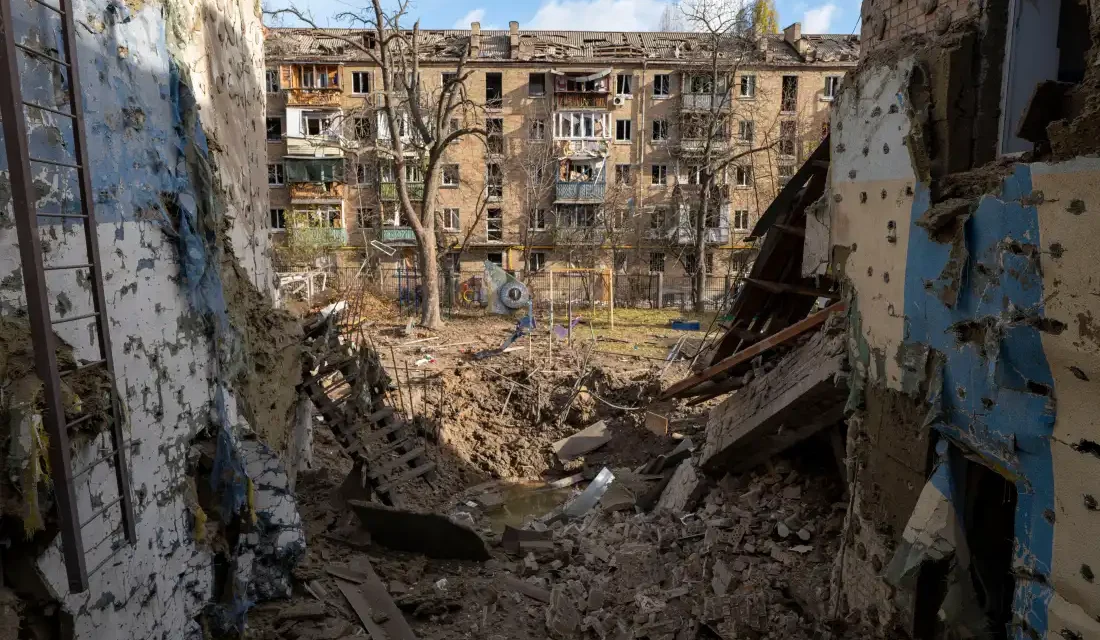
The aftermath of a missile attack in Kyiv is evident. A kindergarten’s destroyed walls reveal a large bomb crater alongside a damaged residential building.
Amid this backdrop, European officials are preparing for U.S.-mediated peace talks between Russia and Ukraine. These will be held in the United Arab Emirates, as announced by France’s Foreign Minister Jean-Noël Barrot. Despite the Kremlin’s insistence on exclusivity between the U.S., Russia, and Ukraine, Barrot emphasized that Europe’s voice would be present. The potential European role in the negotiations remains unspecified.
The talks are scheduled for Tuesday and Wednesday in Abu Dhabi. Previously depicted as a trilateral meeting, Kremlin spokesman Dmitry Peskov has opposed European participation. He cited an existing format agreement but admitted that Europe might eventually partake in security discussions. European factions had been criticized for lacking a unified voice regarding representation.
Prior engagements in this negotiation series achieved little progress. These were hindered by U.S. involvement in Iran, impacting potential breakthroughs. After diplomatic interactions, including a U.S. envoy’s visit to Russian officials, Russia agreed to return to discussions. A gesture by Putin included releasing an American prisoner, paralleling sanctions recently lifted on Russian diesel exports by the U.S. Ukraine disputes these sales for funding Russian efforts.
U.S. envoy Steve Witkoff highlighted issues like postwar security and humanitarian concerns on the agenda. Following a ceasefire brokered by Melania Trump, aid entered Russian-occupied Ukraine. Such developments suggest some forward steps in these negotiations.
The Russian delegation, led by hardliner Vladimir Medinsky, promises several high-profile participants. These include prominent officials from the military and foreign ministries, suggesting Moscow’s potential preparedness to address political and military challenges. Yet skepticism persists given past tendencies to delay talks or enforce Moscow’s demands.
Russia and Ukraine face considerable differences. Russia demands significant territorial concessions and a promise from Ukraine to abandon NATO membership. President Zelenskyy demands clear security commitments in the event of renewed Russian aggression.
Analysts remain cautious regarding the meeting’s potential outcomes. Former U.S. ambassador to Ukraine, John Herbst, expressed doubts about the Kremlin’s sincerity towards peace, suggesting that perhaps only more rounds of talks will follow.
The political climate in the U.S. adds pressure. Democrats’ recent electoral wins might boost American aid for Ukraine, leaving Russia anxious about securing a favorable agreement under the Trump administration. Talks coinciding with the Asia-Pacific Economic Cooperation summit could involve further diplomatic engagements with global leaders.
While talks are in preparation, the ongoing conflict remains intense. President Zelenskyy reported a recent barrage of 36 ballistic missiles on Kyiv, terming diplomacy an aggressive tactic. In southern Ukraine, casualties mount as attacks on aid facilities continue.
 In-Flight Altercation on Qatar Airways Leads to Police and FBI Response
 Virginia Residents Sue Over Alleged Immigration Violations
 Updates on Key International and Domestic Events
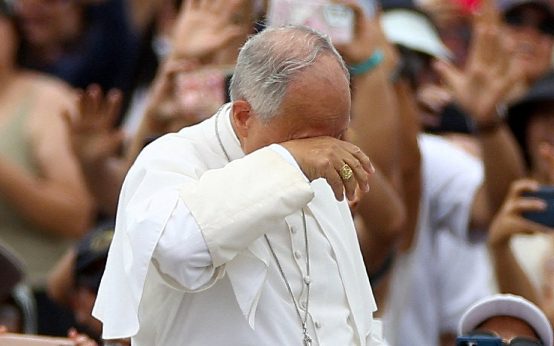 Pope Leo XIV Completes South American Tour with Farewell Mass in Peru
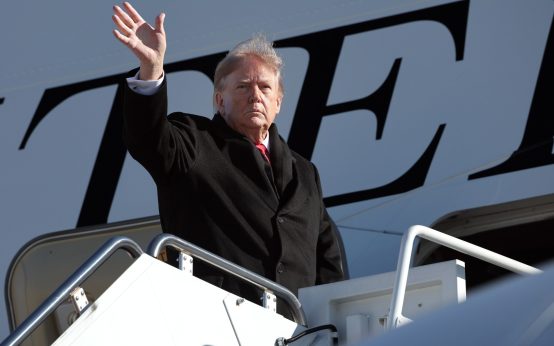 President Trump’s Critical Asia Trip: Key Meetings and Implications
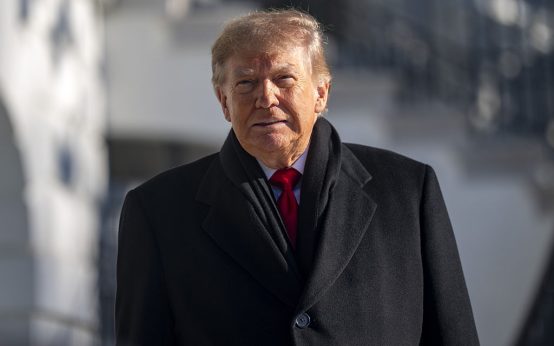 U.S. Plans to Restrict AI Chip Exports Before Trump-Xi Meeting