The recent elections have shifted power dynamics in American politics, with Democrats emerging with commanding control over both the House and Senate. This victory has triggered a period of introspection within the Republican Party, but it also exposes potential divisions among Democrats.
Fetterman’s Role in the Democratic Party
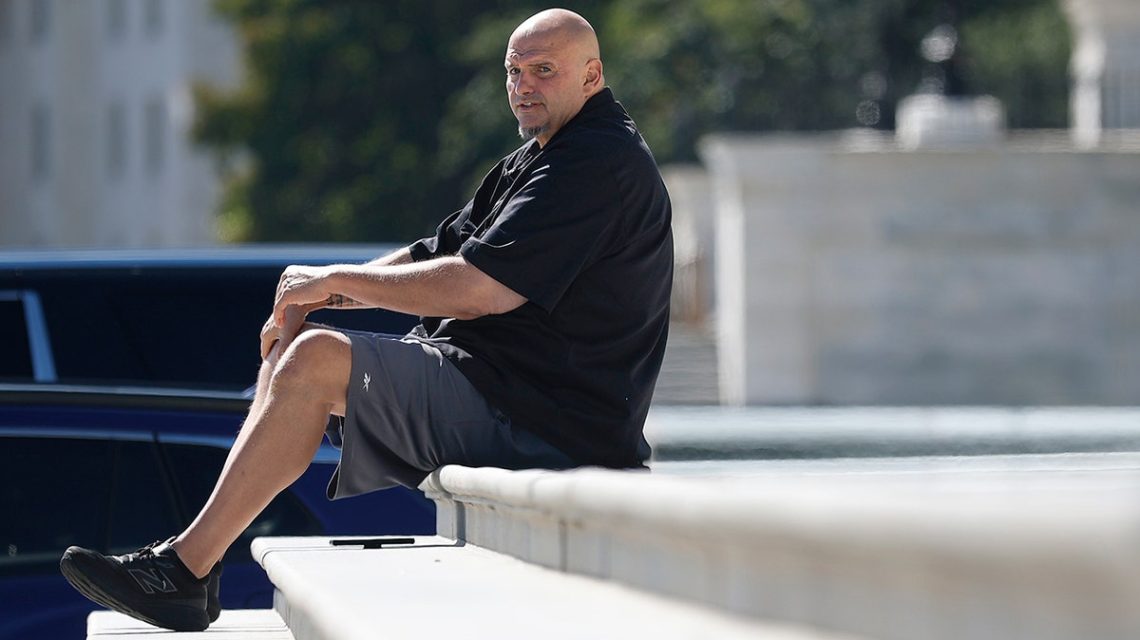
Senator John Fetterman from Pennsylvania has become a prominent moderate voice, comparable to former moderate Senators Joe Manchin and Kyrsten Sinema. He advocates for more centrist policies on issues like immigration enforcement and governmental budgeting.
Fetterman’s unique position within the party poses questions for Senate Majority Leader Chuck Schumer. Managing a party that includes both moderates like Fetterman and more progressive factions may prove challenging.
Election Outcomes and Democratic Diversity
The election results have created a diverse Democratic caucus. Candidates like Abdul El-Sayed in Michigan and Troy Jackson in Maine represent the growing progressive wing. While the party leadership insists on internal unity, the reality of governing with such a broad spectrum of perspectives could complicate legislative efforts.
Despite the surge in progressive voices, the Democratic leadership holds significant majorities, reducing the potential for socialist factions to wield disproportionate influence over the legislative process.
Tensions Within Party Ranks
Key policy areas such as support for Israel and immigration funding will likely see internal debates. Schumer may find himself balancing these demands with those of the moderate faction led by figures like Fetterman.
The intersection of these varying ideologies continues to define the Democratic Party’s strategy. Moderate leaders like Fetterman, who resist alignment with the party’s left wing, must navigate their roles carefully within this dynamic landscape.
Future Implications and Fetterman’s Position
As the party continues to navigate these internal tensions, Fetterman remains a significant yet unpredictable figure. His actions and decisions may influence future party strategy, especially as discussions of potential party shifts arise.
While the Democrat leadership asserts a united front, the evolving diversity within the party suggests a need for ongoing adaptation. How this reshaped political party functions will depend on how leaders like Fetterman strategize and negotiate within their unique roles.
 Mayor Mamdani’s Policing Reform Plans
 Gen Z Voter Shifts and Their Impact on the 2026 Midterm Elections
 Disappearance of US Senate Candidate Raises Questions
 DOJ Rule Change Reduces Appeal Time for Immigrants Facing Deportation
 Hakeem Jeffries’ Bid for House Speaker Faces Progressive Hurdles
 Ohio Judge Dismisses Defamation Lawsuit by Rep. Max Miller