A significant wave of women entered political office during the recent midterm elections. They won governorships, congressional seats, and statewide offices, potentially influencing policy areas such as healthcare, childcare, and reproductive rights. With at least 155 women poised to serve in Congress next year, they will surpass the 2024 record of 152 women, representing nearly 30% of lawmakers.
The Democratic Party is expected to have a landmark 111 women in the U.S. House of Representatives, marking a stark contrast to the 17 Republican women. Additionally, women will hold 106 statewide elective executive offices by 2027, increasing from the current 97 and accounting for at least 34.2% of statewide executive positions. These roles include governors, attorneys general, secretaries of state, and other influential positions.
Historic Leadership Milestones
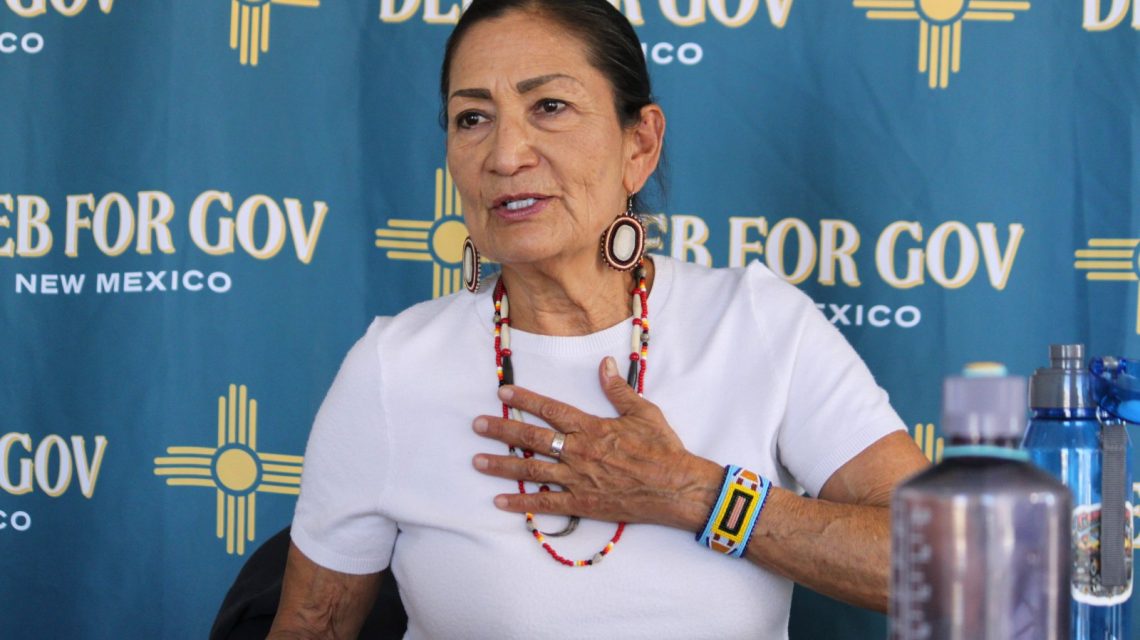
Keisha Lance Bottoms made history as the first Black woman elected governor in the U.S., with Gina Hinojosa becoming Texas’s first female governor in more than three decades and the first Latina governor. Deb Haaland became the first Native American governor in U.S. history in New Mexico.
“This was a political earthquake,” Mary Ziegler, a prominent historian of abortion politics, told Newsweek.
The focus now shifts to how a record number of women holding office will shape priorities in areas like spending, legislation, healthcare, and executive power.
The Influence of Women in Politics
Party affiliation remains a key determinant of voting patterns despite more women in office. The majority of the women elected in 2026 are Democrats, complicating gender-based analysis. Even so, representation continues to influence governmental priorities. Women lawmakers often prioritize healthcare, childcare, education, paid family leave, and maternal health.
Michele Swers, an expert in American politics, emphasized the importance of diverse experiences in legislative processes. Women do not necessarily vote differently from men in the same party, but they prioritize these issues, spending political capital to advance them.
Newly elected women frequently campaigned on personal experiences related to these priorities. Texas Governor-elect Hinojosa highlighted this after her victory, emphasizing her commitment to public schools due to her role as a mother.
Gradual Changes and Veteran Influence
Swers noted that the effects of an increased female presence in politics are gradual. Policymaking often progresses slowly through committees and negotiations rather than high-profile legislation, building over years. Veteran lawmakers like Senator Patty Murray and Representative Rosa DeLauro, who began political careers during the 1992 “Year of the Woman,” now wield considerable influence over federal spending.
Swers highlighted their longstanding efforts in policies related to family leave, healthcare, and childcare, underscoring their pivotal roles in future negotiations.
Impact on Abortion Access
The increase in women elected to office may significantly impact abortion rights, especially after the Supreme Court’s Dobbs decision. While affordability, immigration, and the economy dominated campaigns, abortion remained a crucial issue.
Kelly Baden from the Guttmacher Institute described abortion as an electoral issue, often overlooked in campaigns but crucial in races for positions like attorney general. For instance, Texas’s new attorney general Nathan Johnson signals potential policy shifts in abortion, influencing broader regional access.
Baden also pointed to Georgia, where Governor Lance Bottoms has committed to opposing the state’s six-week abortion ban. Given that Georgia offers more liberal abortion access than nearby states, changes could have far-reaching effects.
Baden’s insights highlight that motivations for addressing abortion laws and reproductive rights are strong among voters. Although not always at the forefront of news or polls, many voters consider these issues crucial.
Ziegler cautioned that Democratic victories do not eliminate threats to abortion rights. Court cases, regulatory actions, and executive decisions could still redefine reproductive policy significantly. Despite Democratic advancements, key policy disputes and threats persist.
 Mayor Mamdani’s Policing Reform Plans
 Gen Z Voter Shifts and Their Impact on the 2026 Midterm Elections
 Disappearance of US Senate Candidate Raises Questions
 DOJ Rule Change Reduces Appeal Time for Immigrants Facing Deportation
 Hakeem Jeffries’ Bid for House Speaker Faces Progressive Hurdles
 Ohio Judge Dismisses Defamation Lawsuit by Rep. Max Miller