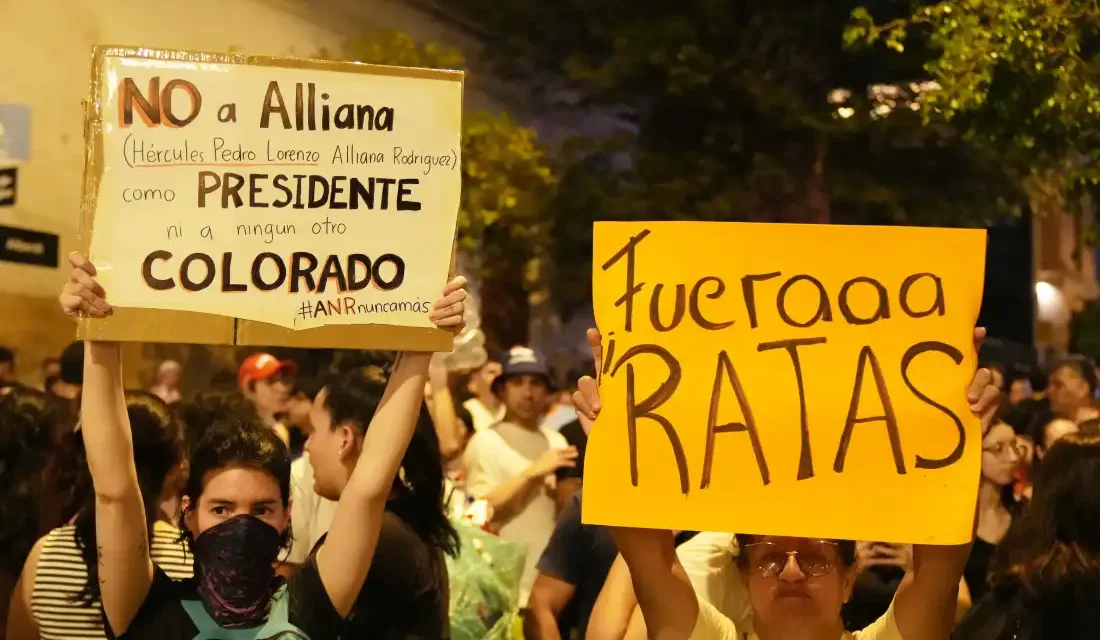
In Asunción, Paraguay, protesters gathered outside Congress in response to the Senate’s decision to impeach and remove President Santiago Peña. This action stemmed from accusations related to the implosion of Ueno Bank. In the aftermath, Vice President Pedro Alliana took over as the country’s leader.
The collapse of Ueno Bank caused immediate disruption. Many Paraguayans who relied on its services suddenly found themselves unable to conduct daily transactions. “People don’t have any trust,” said Elizabeth González, a barista in downtown Asunción. A customer at her café insisted on paying with cash, expressing a lack of faith in banks.
Ueno Bank’s shutdown impacted more than just shareholders. The bank had 2.9 million customers, representing 60% of the adult population. With approximately 1.8 million depositors, the Central Bank reported that around 1.2 million customers received advance payments from a state deposit guarantee fund. Yet, many individuals still awaited assistance.
The collapse not only affected finances but also exacerbated the political crisis. President Peña faced removal due to ties with the bank, highlighting internal struggles within the ruling Colorado Party. Around Congress, the public displayed anger over the banking failure.
“I came not because it affects me personally, but because it affects all of Paraguay,” explained Elodia Saveredo, a 71-year-old merchant. Others, like Batarram Caballero, a biochemistry student, expressed frustration as classmates had funds trapped they needed to manage basic expenses.
Ueno Bank rose quickly, launching as a fintech in 2021 and operating as a bank by 2023. Through aggressive marketing and digital incentives, it attracted a large customer base. However, Caballero noted signs of trouble, as prior to account freezes, the bank encouraged deposits with intense campaigning.
Public funds, such as $355 million from the Social Security Institute (IPS), were invested in Ueno, raising concerns. Economist Manuel Ferreira questioned how a young bank managed such substantial public money. Ferreira highlighted that a bank’s strength lies in its asset management, not merely in marketing appeal.
Loans at Ueno often went to the bank’s owners. Notably, $146 million in loans were directed to companies linked to Grupo Vásquez, Ueno’s controlling entity. This irregularity raised alarms over asset management and corporate accountability.
President Peña, previously tied to Ueno’s parent group, resigned amid scandals regarding his influence on state entities to support the bank. Prosecutors charged him with breach of trust and personal gain. Peña, pleading not guilty, faces detention during the investigation.
Vice President Alliana assumed the presidency, and ex-Ueno Bank chief Carlos Carvallo faced similar charges. Additionally, eight executives, including CEO Miguel Vásquez, were also detained.
The crisis spotlighted former President Horacio Cartes. Despite appointing Peña as a political successor, their relationship strained over power disputes. Senators aligned with Cartes scrutinized Ueno’s dealings, and following the bank’s collapse, Cartes distanced himself from Peña and backed impeachment.
Demonstrators outside Congress perceived the bank’s downfall as indicative of deeper political failures. Rodrigo Piatti, an activist, called for transformative changes against corruption and political malpractice. Eduardo López, an exporter, noted how the situation tarnishes Paraguay’s reputation among foreign investors.
Lizza Lugo, a student leader, voiced hope for change in the 2028 elections. She criticized the unequal application of laws, urging for voters to remember these events when determining Paraguay’s future.
 In-Flight Altercation on Qatar Airways Leads to Police and FBI Response
 Virginia Residents Sue Over Alleged Immigration Violations
 Updates on Key International and Domestic Events
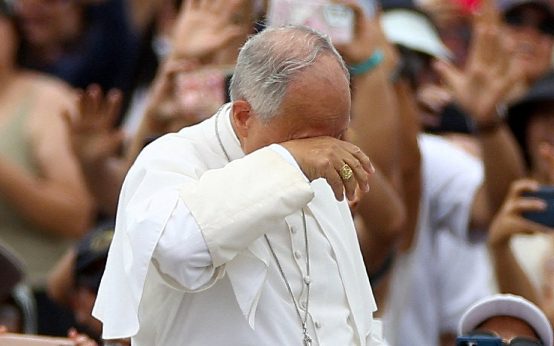 Pope Leo XIV Completes South American Tour with Farewell Mass in Peru
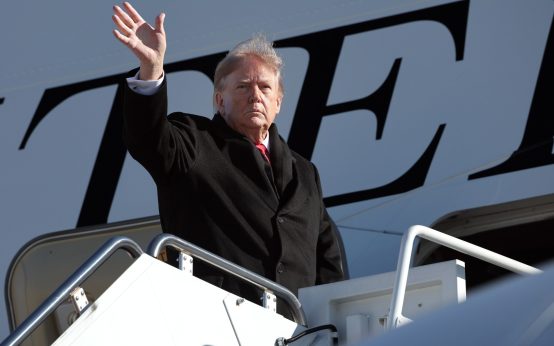 President Trump’s Critical Asia Trip: Key Meetings and Implications
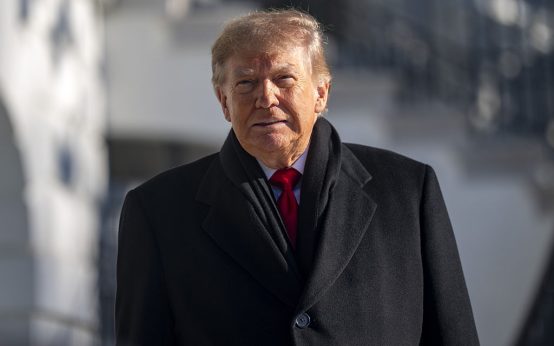 U.S. Plans to Restrict AI Chip Exports Before Trump-Xi Meeting