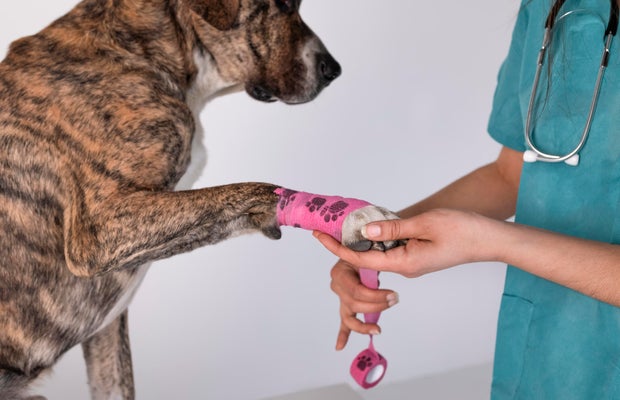
Veterinary services can be costly. The American Veterinary Medical Association (AVMA) notes prices rose faster than inflation recently. Pet insurance could alleviate some of these expenses, similar to how health insurance works for people. It covers cats, dogs, and sometimes exotic animals. According to the North American Pet Health Insurance Association (NAPHIA), around 7.6 million pets have insurance in North America.
What is Pet Insurance and How Does It Work?
Pet insurance covers some or all costs of certain veterinary services. This includes diagnostics, treatments, prescriptions, and more, based on your provider and policy. It usually operates on a reimbursement basis: you pay upfront, then the insurer reimburses you. Policies often have deductibles and payout limits like human health plans. You can choose any veterinarian, avoiding the network restrictions seen in human insurance.
What Does Pet Insurance Cover?
Coverage varies by provider and plan. Options generally include accident-only, accident-plus-illness, and wellness coverages. Some insurers allow you to customize your plan. Here’s what’s typically covered:
- Accident-only: Injuries, animal bites, broken bones, swallowed objects, torn nails, poisoning/toxin ingestion, and emergency care.
- Accident + Illness: Allergies, cancer, diabetes, arthritis, skin and ear infections, heart diseases, X-rays, MRIs, ultrasounds, eye conditions, medications, hospitalization, surgery, and injuries caused by vehicles or heatstroke.
- Wellness: Vaccines, teeth cleaning, routine vet visits, spay/neuter procedures, heartworm prevention, deworming, microchipping, flea/tick protection, routine testing.
Add-on coverages like physical rehabilitation, acupuncture, chiropractic services, or exam fee coverage may be available depending on the provider.
What Pet Insurance Doesn’t Cover
Most policies exclude specific items such as:
- Bilateral conditions
- Non-accident related dental care
- Behavioral modification or training
- Parasites
- Elective or cosmetic procedures
- Preventative care without a wellness plan
- Special food
- Breeding services
- Alternative or holistic treatments
- Boarding and grooming services
Pre-existing conditions may also be excluded, contingent on whether they are curable or controllable. Waiting periods generally apply before coverage becomes active.
How Much Does Pet Insurance Cost?
Costs vary based on your pet’s species, breed, size, your location, and chosen plan and provider. Premiums can be monthly or annual. Average annual premiums according to NAPHIA are:
- Accident-only coverage: Cats – $112, Dogs – $190
- Accident + Illness coverage: Cats – $435, Dogs – $836
- Accident, Illness, and Wellness coverage: Cats – $859, Dogs – $1,414
Is Pet Insurance Worth It?
Your decision depends on finances, local veterinary costs, your pet, and its health. If your pet is accident-prone or susceptible to illnesses, insurance could be beneficial. The AVMA advises discussing options with your vet. If recommended, compare plans, as coverage and costs differ by provider.
 Quince’s New Bag Rivals $3,400 Celebrity Version at Fraction of the Cost
 Celebrities Embrace Trench Coats for Winter Style
 Managing Holiday Stress and Enjoying Affordable Wines
 Top Food and Drink Innovations for Holiday Gifts
 Cuffed Jeans: A Trend Embraced by Celebrities
 Two-Story Tiny Home with Modern Features Available on Amazon