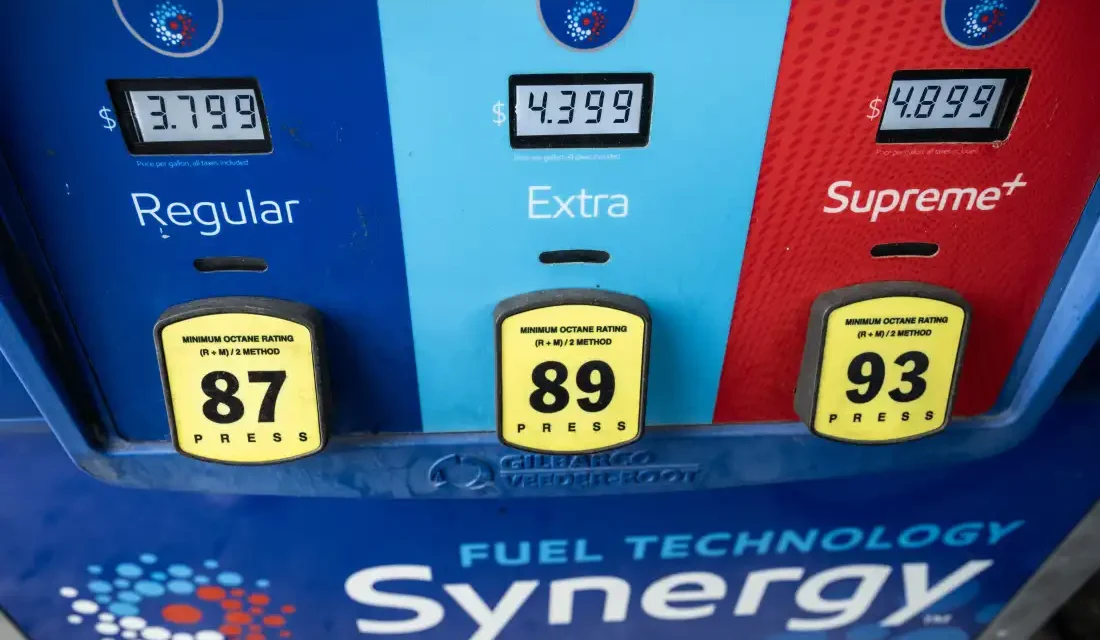
Inflation-weary consumers are experiencing some relief at an unexpected location: the gas pump. According to AAA, the average price of regular gasoline fell below $4 a gallon Tuesday for the first time in three months. The national average has decreased by 38 cents in the last month, settling at $3.98 per gallon.
Despite this, the overall cost of living continues to rise. Consumer prices in October increased by 0.4% from the previous month, based on a Labor Department report. This rise exceeded forecasts. Housing costs contributed approximately a third of the total monthly increase, while grocery prices also jumped significantly.
Reasons Behind Falling Gas Prices
Several factors contributed to the recent decline in gasoline prices. A drop in crude oil prices, refineries shifting to a cheaper winter fuel blend, and a seasonal reduction in gas demand all played a role.
“Temperatures are getting colder,” says Patrick De Haan, a petroleum analyst for GasBuddy. “People with boats and RVs are likely done for the year. By Thanksgiving, barring any geopolitical surprises, the national average could reach $3.75 a gallon.”
Despite recent declines, gas prices remain high for this time of year, about a dollar more per gallon than when the U.S. became involved in conflict with Iran. The upcoming Thanksgiving travel could still be the most expensive ever.
Diesel prices have also decreased, though at a slower pace than gasoline. AAA reports the average diesel price at $6.15 a gallon, down by 13 cents from a month ago. The elevated cost of diesel relates to wars involving the U.S. and Iran, as well as Russia’s conflict with Ukraine. Due to damages, Russia’s significant diesel exports have largely diminished.
“Russia’s lack of diesel exports impacts the global market significantly. Diesel prices will decrease eventually, but they will remain exceptionally high,” De Haan explains.
Impact on Heating Oil and Other Goods
Rising diesel prices are elevating heating oil costs in the Northeast, as heating oil closely resembles diesel. Mild autumn weather has so far kept heating costs in check; however, De Haan warns that a severe cold spell could drive prices up even more.
Higher diesel costs also influence the prices of goods transported by truck, train, or cargo ship. “Freight costs are increasing, affecting goods that are heavily imported like clothing, recreational items, and IT equipment,” says economist Mike Reid of RBC Capital Markets.
Federal Reserve Governor Chris Waller emphasized that energy price shocks could have longer-lasting inflationary effects. He suggested that interest rates might need to rise more aggressively to combat escalating prices.
Inflation Without Yearly Comparison
The inflation report reveals how prices have risen over the past month, yet lacks a year-over-year comparison. This omission results from the previous year’s government shutdown, which halted data collection for October 2025.
The Cleveland Federal Reserve Bank estimated a 3.7% increase in consumer prices from the previous year, outpacing wage growth of 3.1%. This decline in purchasing power contributed to the high turnout in recent midterm elections, with 49.1% of eligible voters participating, marking the second-highest for any midterm in over a century.
 Virginia Residents Sue Over Alleged Immigration Violations
 United Airlines Faces System Outage Amid Banking Disruptions
 MTA Worker Attacked During Subway Dispute
 Home Invasion in California: Elderly Woman’s Struggle with Squatters
 NYC Mayor Disbands Controversial Police Unit
 Travel Chaos and Innovation Amid FAA Ground Stop